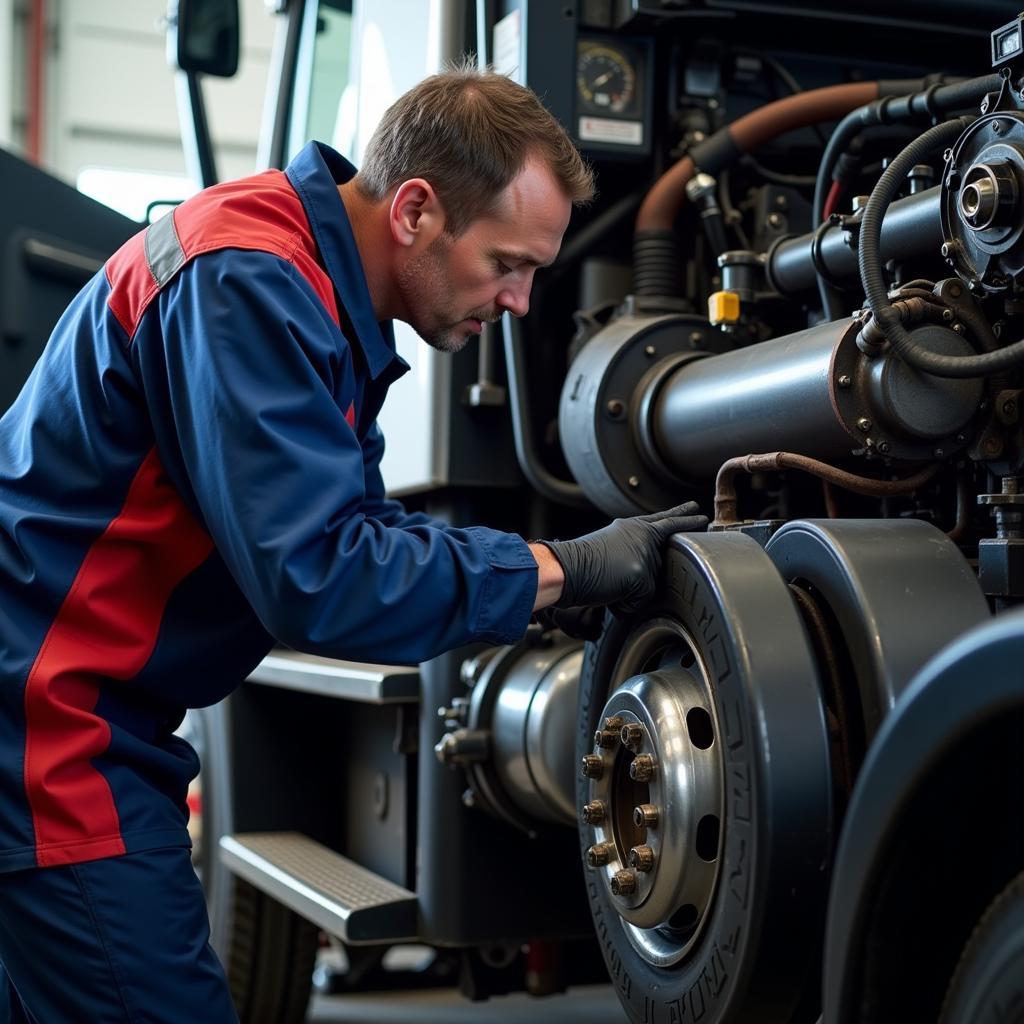
A comprehensive asset policy is crucial for the efficient operation of any trucking company. A well-defined and implemented policy optimizes truck utilization, from box trucks and vans to 1-ton, 2-ton, 3.5-ton, and 8-ton trucks, ensuring profitability and sustainable growth.
The Importance of an Asset Policy in Trucking
Asset policies play a key role in the effective management and operation of a truck fleet. A clear and transparent policy helps companies control costs, optimize operational efficiency, and enhance competitiveness. For businesses using box trucks, preserving and maintaining the quality of the truck body is paramount. The asset policy should clearly define the responsibilities of each department in maintaining, repairing, and replacing the truck body when necessary. Similarly, for light trucks and vans, the asset policy will guide the use and maintenance of the vehicles to ensure longevity and operational efficiency.
Asset Policies and Different Truck Types
For each type of truck, the asset policy needs to be tailored to its specific use and load capacity. For example, with 1-ton and 2-ton trucks often used for inner-city freight transport, the asset policy should focus on regular maintenance, tire checks, brake system inspections, and monitoring of parts prone to wear and tear. For 3.5-ton and 8-ton trucks, typically used for long-haul transportation, the policy should emphasize engine and transmission checks, suspension system maintenance, and ensuring the vehicle is always in optimal operating condition. Flexible application of the asset policy will help the company optimize the efficient use of each type of vehicle. Similar to a production scaling policy, developing an asset policy requires careful consideration and adjustments based on the current situation.
Asset policy for heavy trucks
Why is a Truck Asset Policy Necessary?
An asset policy helps businesses manage their trucks efficiently, minimize risks, and optimize operating costs.
Which Vehicles Does an Asset Policy Apply To?
The asset policy applies to all types of trucks, from box trucks and vans to 1-ton, 2-ton, 3.5-ton, and 8-ton trucks.
Building an Effective Asset Policy
An effective asset policy should include key components such as procurement procedures, registration, maintenance, repairs, asset disposal, and the responsibilities of relevant departments. The policy development should be based on the company’s specific circumstances, the type of transportation, and the characteristics of each truck. Hau Giang agricultural product support policy is an example of policy development tailored to local specificities. For trucks, the asset policy should also consider the specific factors of the transportation industry.
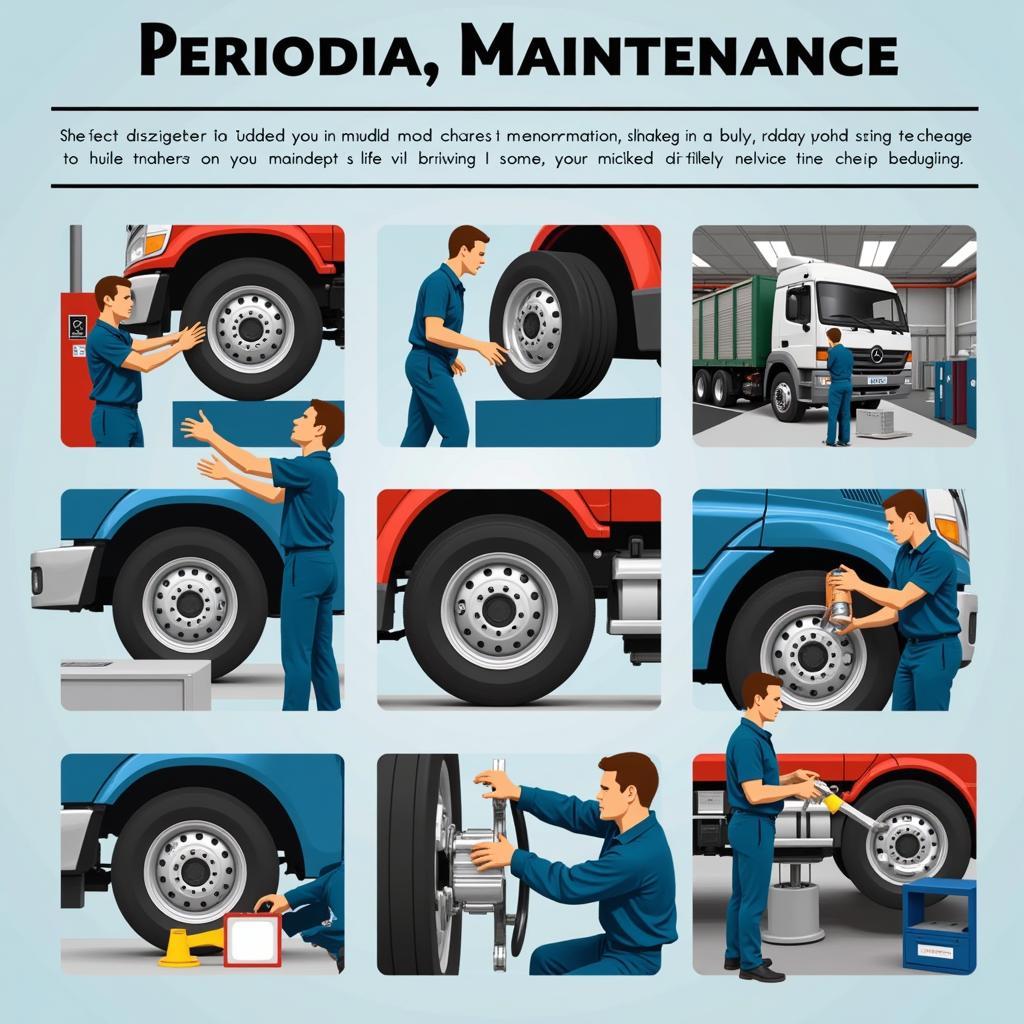 Regular truck maintenance
Nguyen Van A, a logistics expert in Hanoi, shared: “Asset policy is the foundation for the sustainable development of a transportation business. Investing in the development and implementation of a comprehensive asset policy will bring long-term benefits.”
Conclusion
An asset policy is indispensable for transportation companies. Developing and implementing an effective asset policy will help businesses optimize the use of various truck types, from box trucks and vans to 1-ton, 2-ton, 3.5-ton, and 8-ton trucks, ensuring efficient and sustainable business operations. Successful product policy also heavily relies on establishing a suitable asset policy.
FAQ
- What is an asset policy?
- Why is an asset policy necessary for trucks?
- What does an asset policy include?
- How to build an effective asset policy?
- Who is responsible for implementing the asset policy?
- Does the asset policy need to be updated periodically?
- Is Product Policy Question related to asset policy?
For assistance, please contact us by phone: 0968239999, Email: [email protected] Or visit us at: TT36 – CN9 Road, Tu Liem Industrial Zone, Phuong Canh Ward, Nam Tu Liem District, Hanoi. We have a 24/7 customer service team. Fixed Asset Depreciation Policy is an important issue to consider in asset policy.









