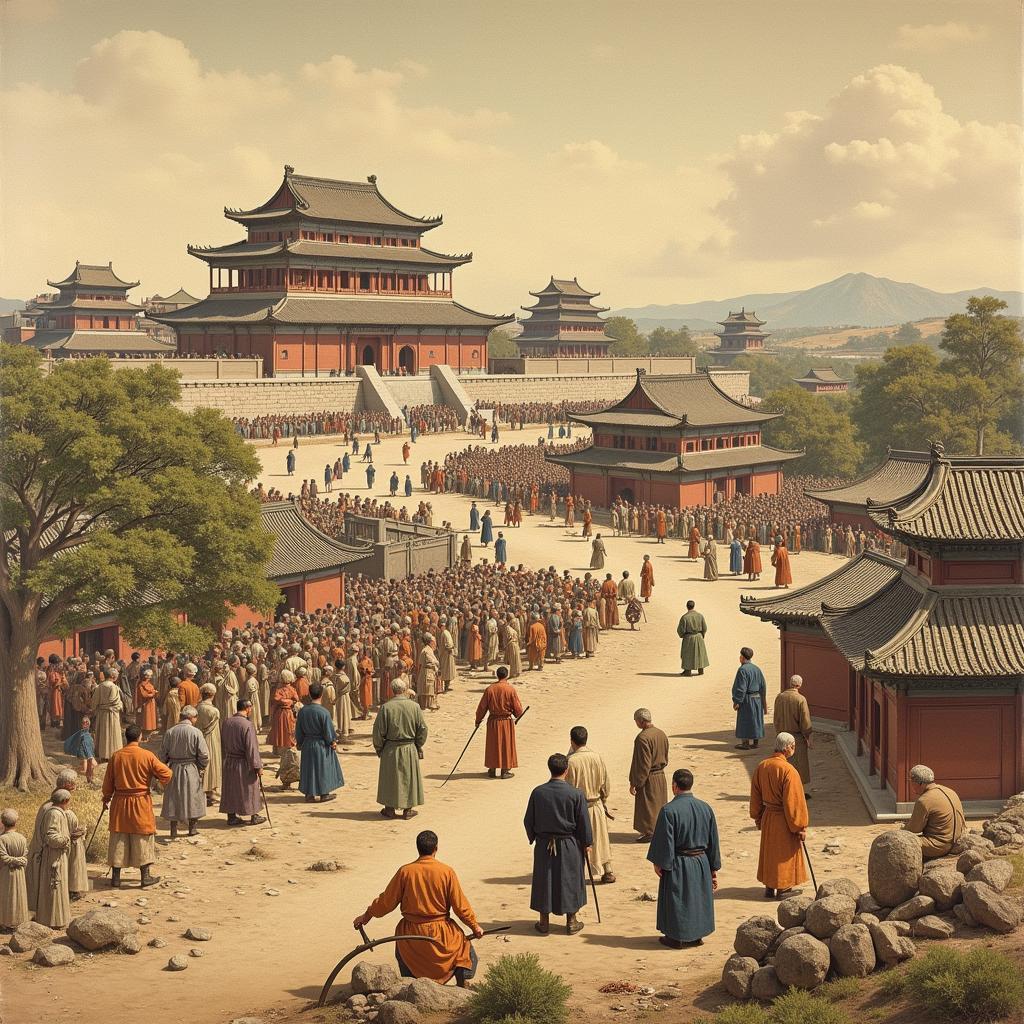
The Han Dynasty’s oppressive policies towards occupied territories, particularly Vietnam, left a profound mark on history. This article will analyze these policies in detail, examining their impact on the economic, social, and cultural life of the Vietnamese people, as well as their efforts to preserve and develop their national identity.
After conquering new territories, the Han Dynasty implemented a ruling system designed to assimilate and exploit the resources of these regions. The oppressive nature of these policies is evident in the imposition of a harsh administrative apparatus, legal system, culture, and economic practices. Following this introduction, we will delve into the specifics of each policy. You can also learn more about the impact of policies on investment.
The Han Dynasty’s Ruling System
The Han Dynasty established a rigid ruling system, placing Han officials in key positions from the central government to local administrations. This restricted the autonomy of the indigenous population and facilitated the exploitation of resources. The harsh laws of the Han Dynasty also served as a tool to suppress rebellions and maintain stability for the ruling regime.
Economic Impact
The Han Dynasty’s economic policies focused on exploiting the resources and labor of the indigenous population. They imposed heavy taxes, seized land, and forced people into labor for construction projects and military service. This led to economic decline and hardship for the common people.
Han Dynasty economic policies
Cultural Assimilation Policies
One of the most oppressive policies of the Han Dynasty was cultural assimilation. They promoted the study of Chinese characters, enforced Han customs and practices, and restricted the development of indigenous culture. The goal was to erase the Vietnamese national identity and integrate them into the Han empire. If you are interested in modern policies, see the warranty policy when buying smartphones online.
Social Impact
The cultural assimilation policy caused significant social upheaval. It created a cultural gap between the ruling class and the indigenous population, exacerbating social conflicts. However, the Vietnamese people steadfastly resisted this policy, protecting and preserving their traditional cultural values.
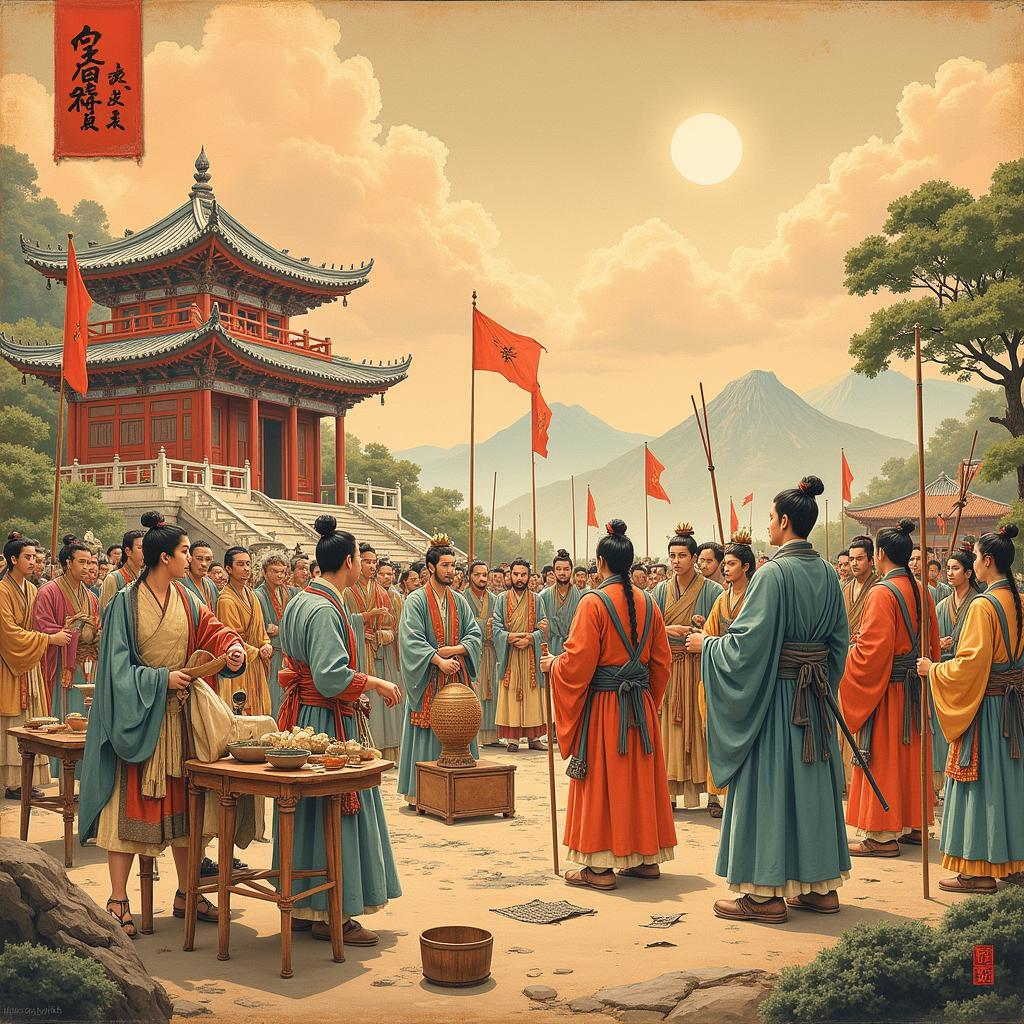 Han Dynasty cultural assimilation
Vietnamese Resistance
Despite facing the Han Dynasty’s oppressive policies, the Vietnamese people continuously resisted. History records numerous uprisings against the ruling power, most notably the rebellion led by the Trung Sisters. These uprisings demonstrated the indomitable spirit and resilience of the Vietnamese people. You can learn more about political issues through recommended political books.
Preserving National Identity
In addition to armed struggle, the Vietnamese people also strived to preserve their national identity by maintaining their language, customs, and traditional beliefs. This was a silent but crucial struggle that contributed to maintaining the foundation of Vietnamese culture. If you enjoy reading, check out books where the male protagonist dies.
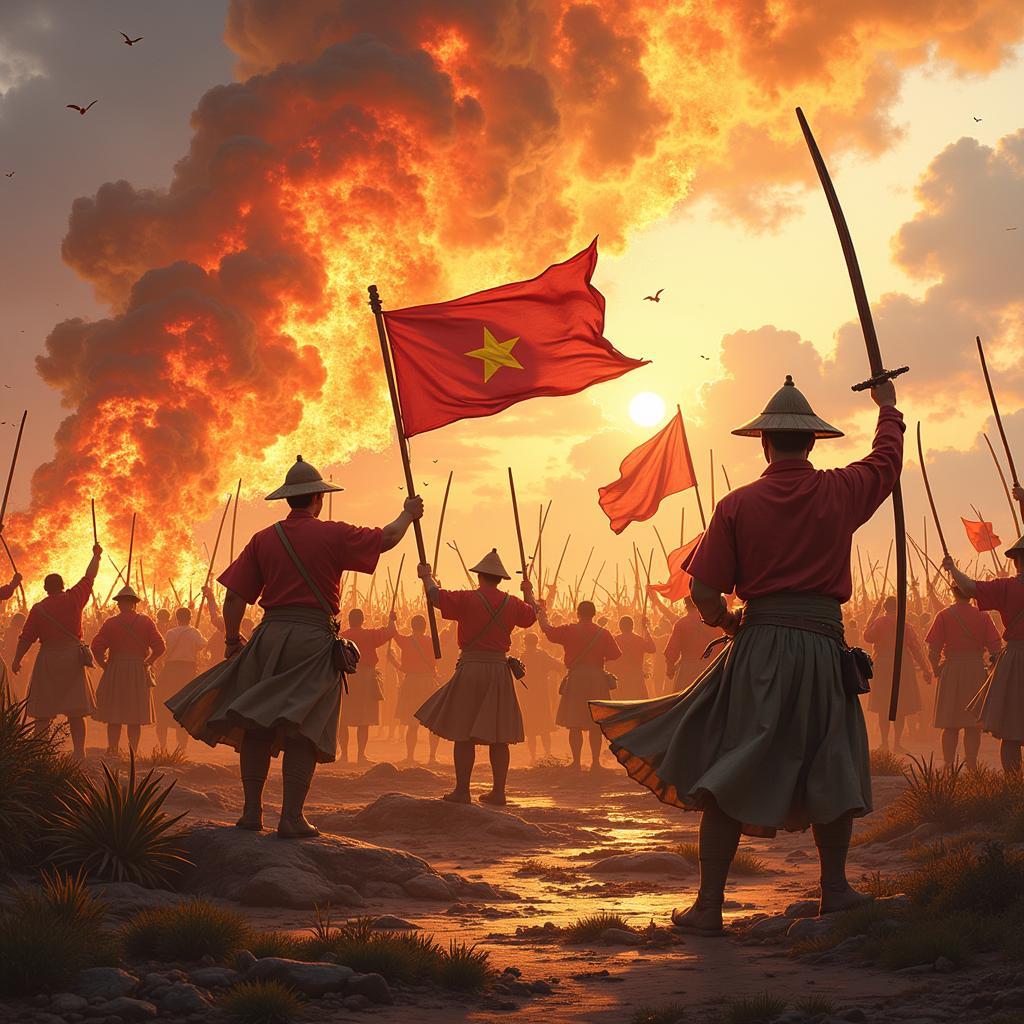 Vietnamese resistance
Conclusion
The Han Dynasty’s oppressive policies had severe consequences for the Vietnamese people. However, amidst these hardships, the Vietnamese people’s patriotism and resilience were tempered and affirmed. Their relentless struggle ultimately led to the restoration of national independence and autonomy. You can also learn about the policy of maintaining price while increasing quality.
FAQ
- What was the Han Dynasty’s cultural assimilation policy?
- How did the Han Dynasty’s economic policies impact the Vietnamese people?
- What forms of resistance did the Vietnamese employ against the Han Dynasty?
- What is the significance of preserving national identity during the period of Northern domination?
- Why are the Han Dynasty’s policies considered “oppressive”?
- What lessons can be learned from the Han Dynasty’s policies?
- What resources are available to learn more about this topic?
Common User Questions
Users often search for information about the Han Dynasty’s oppressive policies to gain a deeper understanding of Vietnamese history, particularly the period of Northern domination. They are interested in the impact of these policies on the economic, social, and cultural life of the Vietnamese people, as well as their efforts to preserve their national identity.
Suggested Related Content
You can learn more about the impact of historical policies on current economic development through the article “The Impact of Policies on Investment.”









