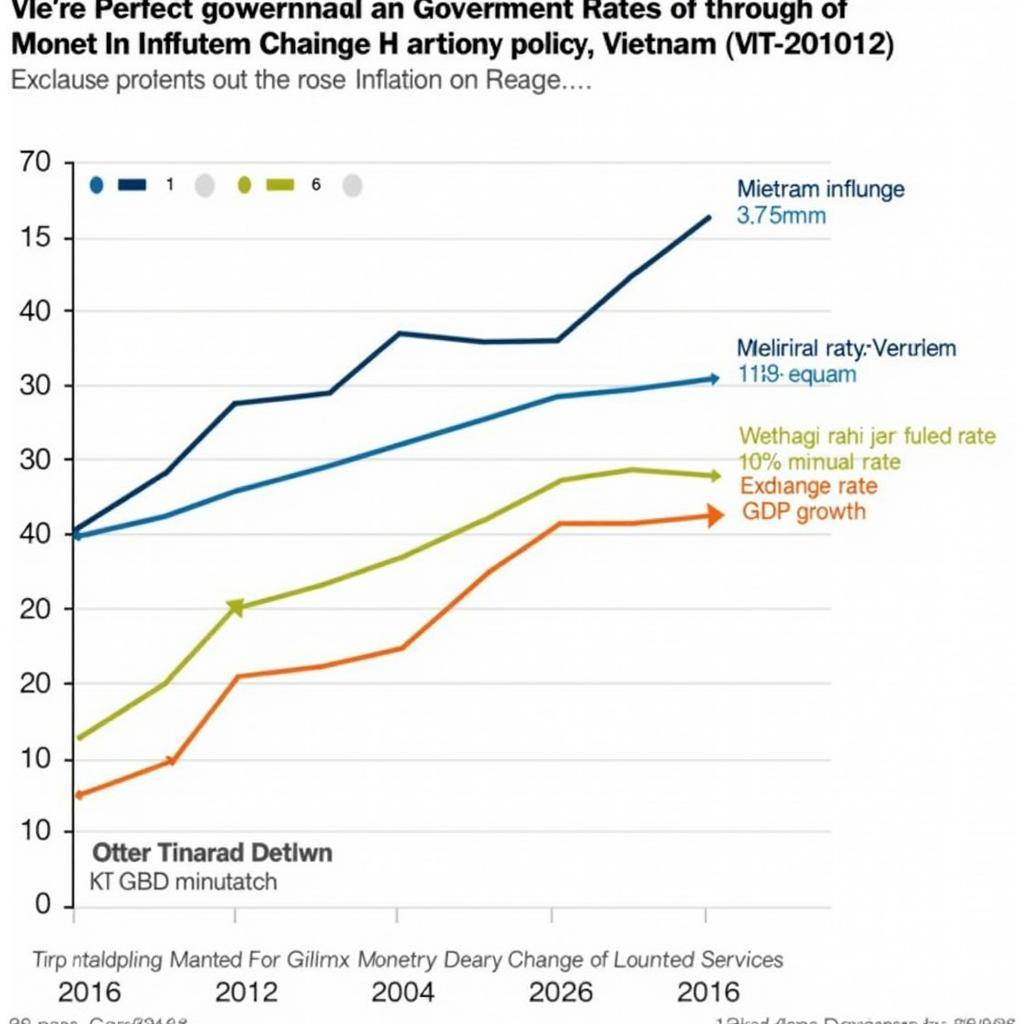
Vietnam’s monetary policy in 2012 focused on controlling inflation and stabilizing the macroeconomy amidst global economic volatility. 2012 marked a challenging period for the Vietnamese economy, requiring flexible adjustments in monetary policy. From the beginning of the year, the government set a goal of curbing inflation and maintaining stable economic growth.
Overview of Vietnam’s Monetary Policy in 2012
In 2012, Vietnam faced numerous economic difficulties, including high inflation, slowing economic growth, and exchange rate fluctuations. Monetary policy was used as a crucial tool to regulate the economy. The State Bank of Vietnam implemented various measures to control money supply, adjust interest rates, and manage the exchange rate. The main objective was to stabilize the macroeconomy and create favorable conditions for sustainable economic growth. These measures included raising interest rates, restricting credit, and tightly controlling the exchange rate. technology innovation support policy.
Vietnam's 2012 monetary policy: Inflation control
Monetary Policy Instruments in 2012
- Interest Rates: The State Bank adjusted interest rates to control inflation and stabilize the money market.
- Exchange Rate: Exchange rate management was implemented to limit fluctuations and negative impacts on the economy.
- Reserve Requirements: The State Bank used reserve requirements to regulate the amount of money in circulation.
Impact of Monetary Policy
The monetary policy in 2012 had certain impacts on the economy. Tightening monetary policy helped curb inflation but also affected economic growth. policy impact. Businesses faced difficulties in accessing capital, leading to reduced investment and production. Balancing inflation control and maintaining economic growth was a challenge for policymakers.
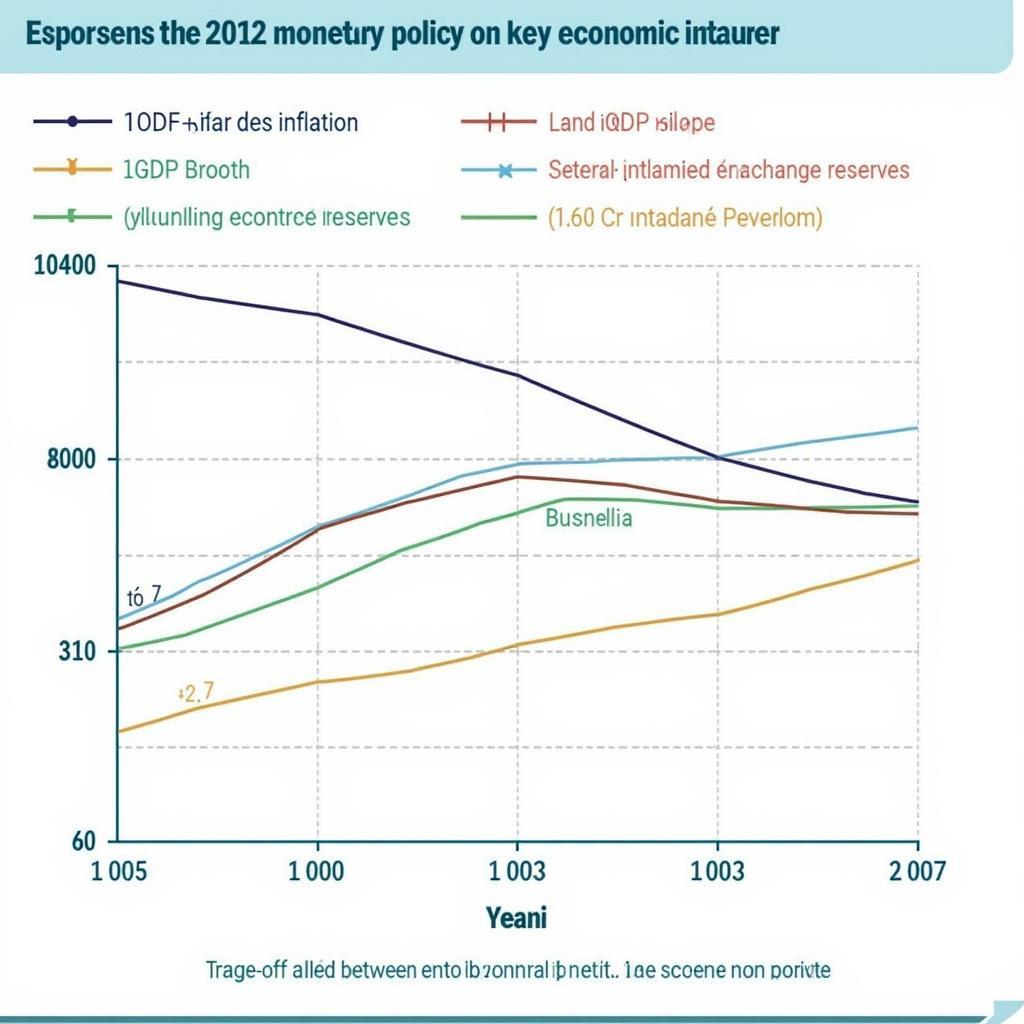 Impact of Vietnam's 2012 monetary policy
Challenges and Lessons Learned
In 2012, Vietnam learned valuable lessons in monetary policy management. Forecasting and responding to global economic fluctuations were crucial. Coordination between monetary policy and other macroeconomic policies also needed to be strengthened for maximum effectiveness. one-child policy. Building a strong and flexible financial system was key to responding to economic shocks.
Conclusion
Vietnam’s monetary policy in 2012 played a vital role in stabilizing the macroeconomy. Despite facing numerous challenges, the government’s efforts helped control inflation and lay the foundation for sustainable economic development in subsequent years.
FAQ
- What was the main goal of the monetary policy in 2012?
- What tools did the State Bank use to manage monetary policy?
- How did the monetary policy impact the economy?
- What were the main challenges Vietnam faced in 2012?
- What lessons were learned from implementing the monetary policy in 2012?
- How does monetary policy relate to books on banking and finance?
- How do policies encouraging cooperatives affect monetary policy?
Common Questions and Scenarios
Many people questioned the effectiveness of the 2012 monetary policy in controlling inflation. Some argued that the tight monetary policy negatively impacted economic growth.
Suggested Related Questions and Articles
You can learn more about fiscal policy, trade policy, and other macroeconomic policies on our website.