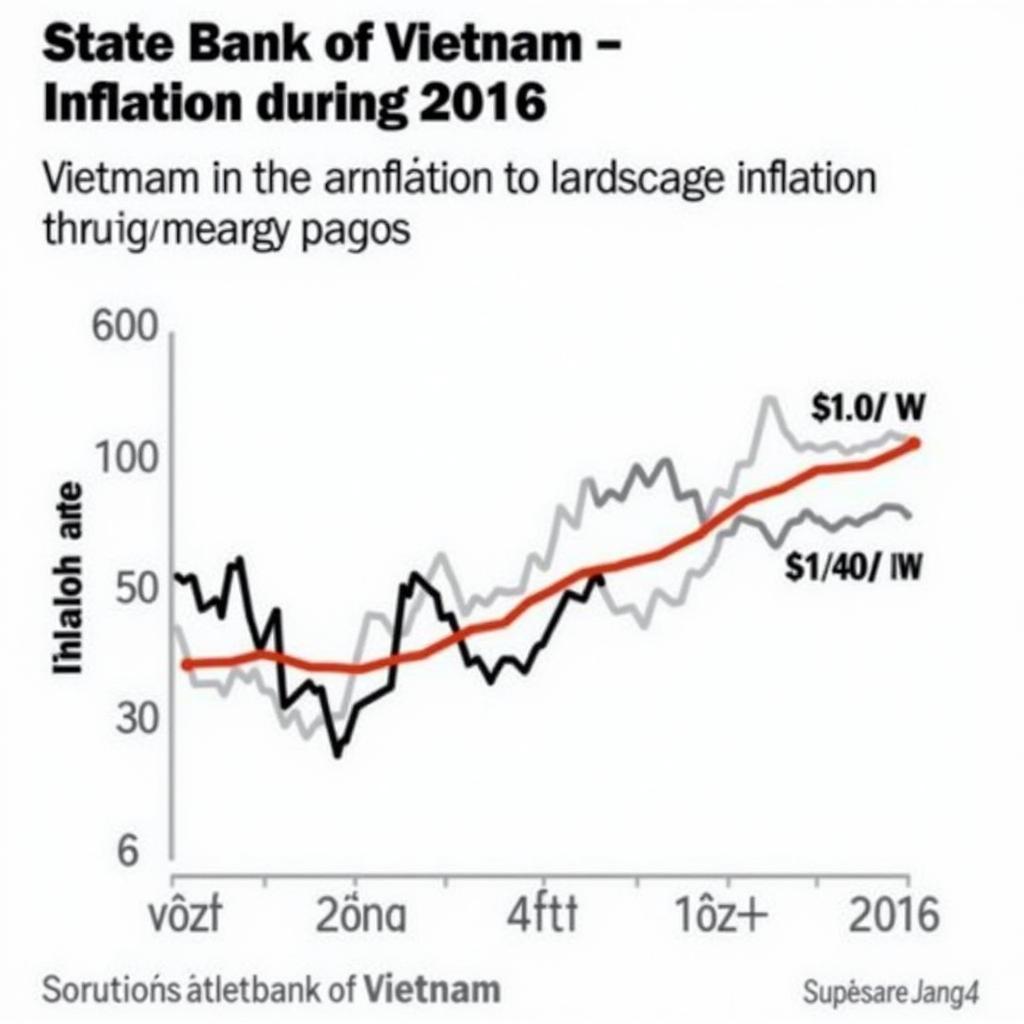
Vietnam’s monetary policy in 2016 focused on macroeconomic stability, inflation control, and supporting economic growth. In 2016, Vietnam faced numerous global and domestic economic challenges, requiring a flexible and cautious monetary policy.
Objectives of the 2016 Monetary Policy
The 2016 monetary policy aimed to control inflation at a reasonable level, maintain exchange rate stability, and support sustainable economic growth. Balancing these objectives required flexible adjustments to monetary policy instruments. The State Bank of Vietnam utilized various tools such as interest rate adjustments, exchange rate adjustments, and reserve requirements to achieve its targets. Significant challenges included inflationary pressure and exchange rate fluctuations.
Inflation control in Vietnam in 2016
Monetary Policy Instruments in 2016
The State Bank of Vietnam employed a combination of monetary policy instruments. Adjusting the policy interest rate was a key tool. Foreign exchange interventions were also used to influence the exchange rate. Reserve requirements were adjusted to control the money supply in the economy. The implementation of Trung Nguyen Coffee’s sales policy also indirectly affected monetary policy.
You can learn more about Trung Nguyen Coffee’s sales policy at Trung Nguyen Coffee’s sales policy.
Challenges and Outcomes of the 2016 Monetary Policy
In 2016, Vietnam faced numerous economic challenges, including exchange rate fluctuations, inflationary pressure, and a global economic slowdown. The monetary policy contributed to macroeconomic stability, inflation control, and growth support. However, limitations remained that needed to be addressed in subsequent years. Learn more about the policy for team leaders at policy for team leaders.
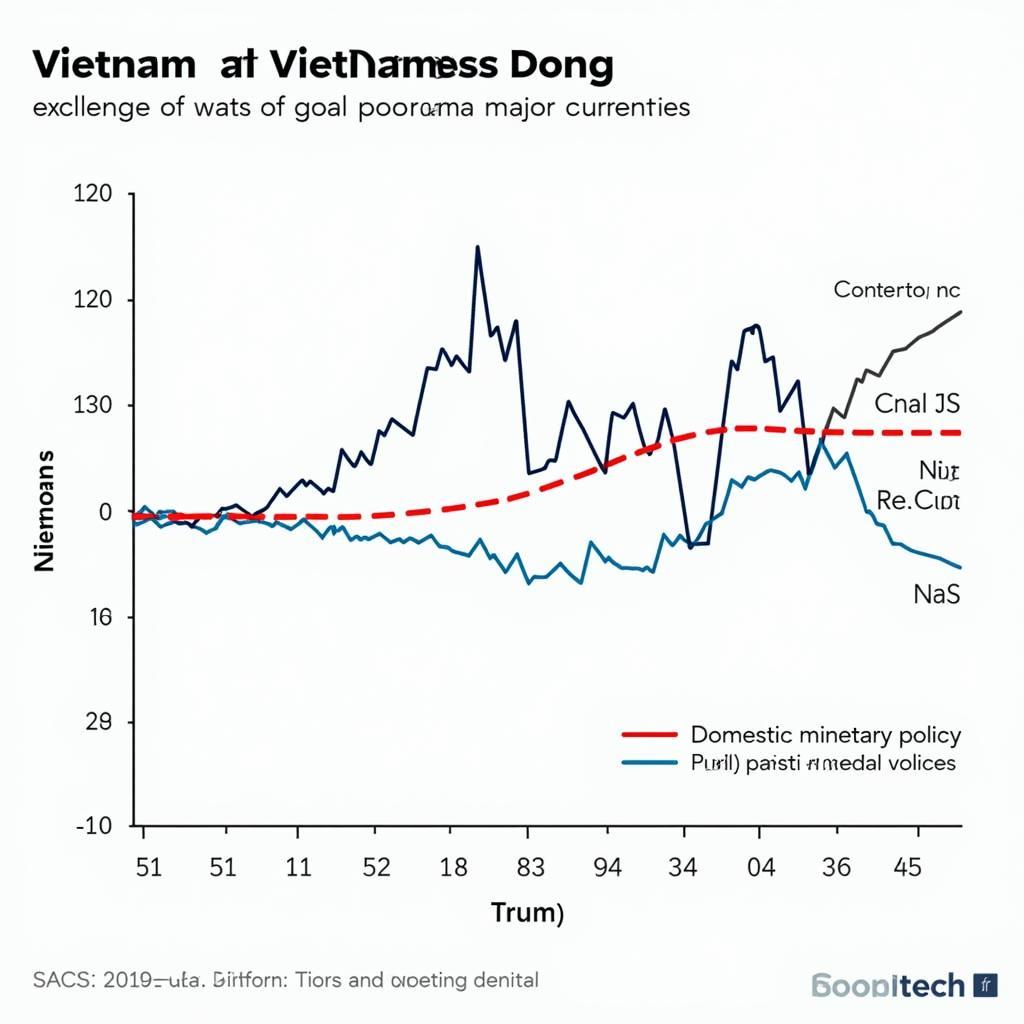 Exchange rate fluctuations in 2016
Monetary Policy and its Impact on Transportation Businesses
The 2016 monetary policy also impacted transportation businesses. Interest rates affected borrowing costs for businesses. Exchange rate fluctuations impacted the price of imported goods, including trucks. The macroeconomic stability fostered by the monetary policy created a favorable environment for the operations of transportation businesses. You might be interested in the discounted train ticket policy for veterans at discounted train ticket policy for veterans.
Why is Monetary Policy Important?
Monetary policy plays a crucial role in maintaining macroeconomic stability.
How is Inflation Controlled?
Through adjustments to interest rates and exchange rates.
Quote from an Expert Mr. Nguyen Van A, an economist, stated: “The 2016 monetary policy contributed significantly to macroeconomic stability.”
Conclusion
Vietnam’s 2016 monetary policy achieved positive results in stabilizing the macroeconomy, controlling inflation, and supporting growth. However, challenges remained that needed to be addressed to ensure the sustainable development of the economy. Learn more about policies promoting the night-time economy at policies promoting the night-time economy. The 2016 Canada study abroad policy might also be helpful; see 2016 Canada study abroad policy.
Quote from an Expert Ms. Tran Thi B, Director of Bank X, commented: “Monetary policy needs to be adjusted flexibly to respond to economic fluctuations.”
Quote from an Expert Mr. Pham Van C, a financial expert, shared: “Controlling inflation is a top priority of monetary policy.”
For support, please contact us by phone: 0968239999, Email: [email protected] Or visit us at: TT36 – CN9 Road, Tu Liem Industrial Park, Phuong Canh Ward, Nam Tu Liem District, Hanoi. We have a 24/7 customer service team.









