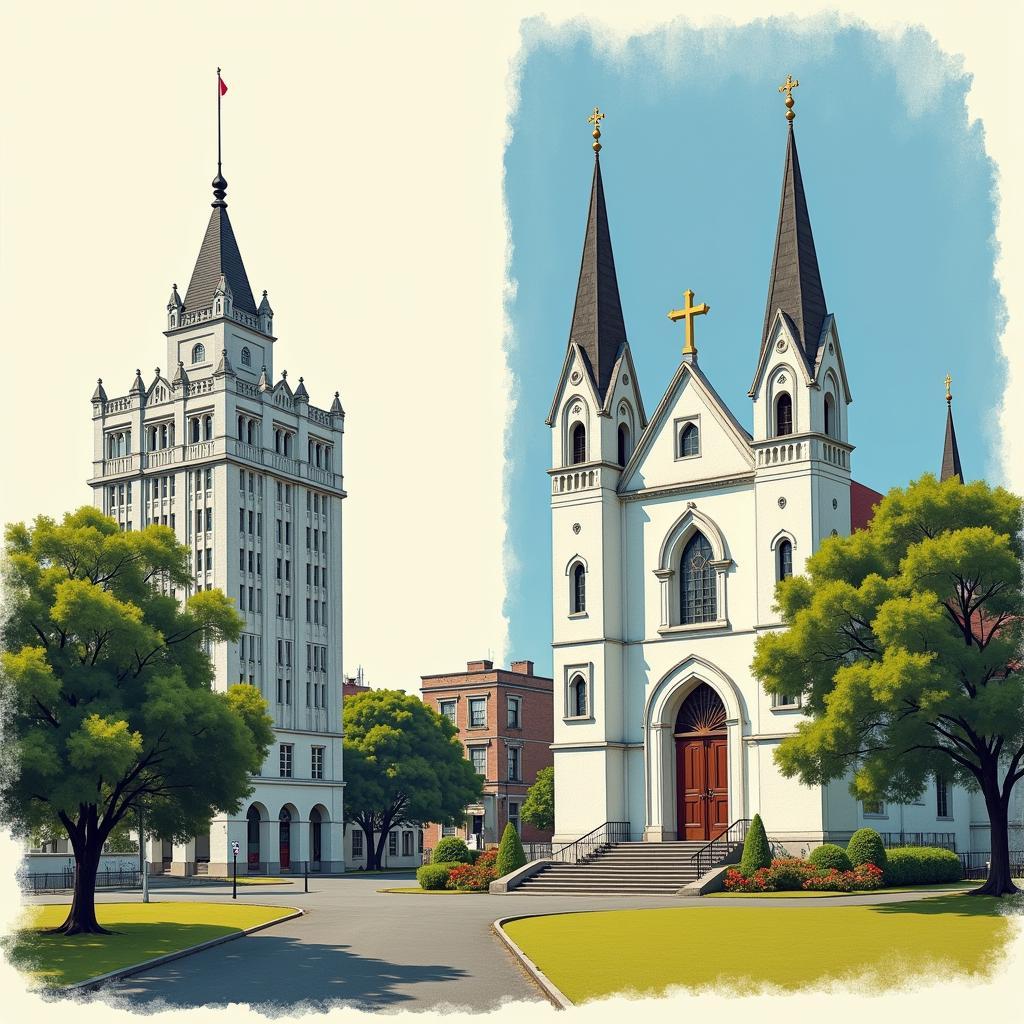
Philippines is a religiously diverse nation, with Roman Catholicism as the dominant faith. The country’s religious policy is founded on the principle of freedom of religion, enshrined in its Constitution. This ensures every citizen the right to choose, practice, or not practice any religion without discrimination or coercion.
Freedom of Religion in the Philippine Constitution
The Philippine Constitution guarantees freedom of religion for all. This encompasses the right to choose a religion, change one’s faith, and practice religious rituals. The Constitution also mandates the separation of church and state, ensuring the government doesn’t interfere in religious affairs and vice versa.
Separation of Church and State
The principle of separation of church and state is a cornerstone of Philippine religious policy. This ensures no religion receives preferential treatment from the government, and all faiths are equal under the law. This separation helps maintain religious harmony and prevents potential conflict among different religious groups.
Separation of Church and State in the Philippines
Religious Diversity in the Philippines
While Roman Catholicism is the predominant religion, the Philippines is home to diverse faiths, including Islam, Protestantism, Buddhism, and indigenous beliefs. The Philippine government recognizes this religious diversity and promotes mutual respect among religious communities.
Respecting Religious Diversity
Respect for religious diversity is crucial for maintaining peace and social stability. The Philippine government strives to create an environment where all citizens, regardless of belief, feel respected and safe to practice their religion. Educational programs and interfaith dialogues are encouraged to foster understanding and tolerance among religious communities.
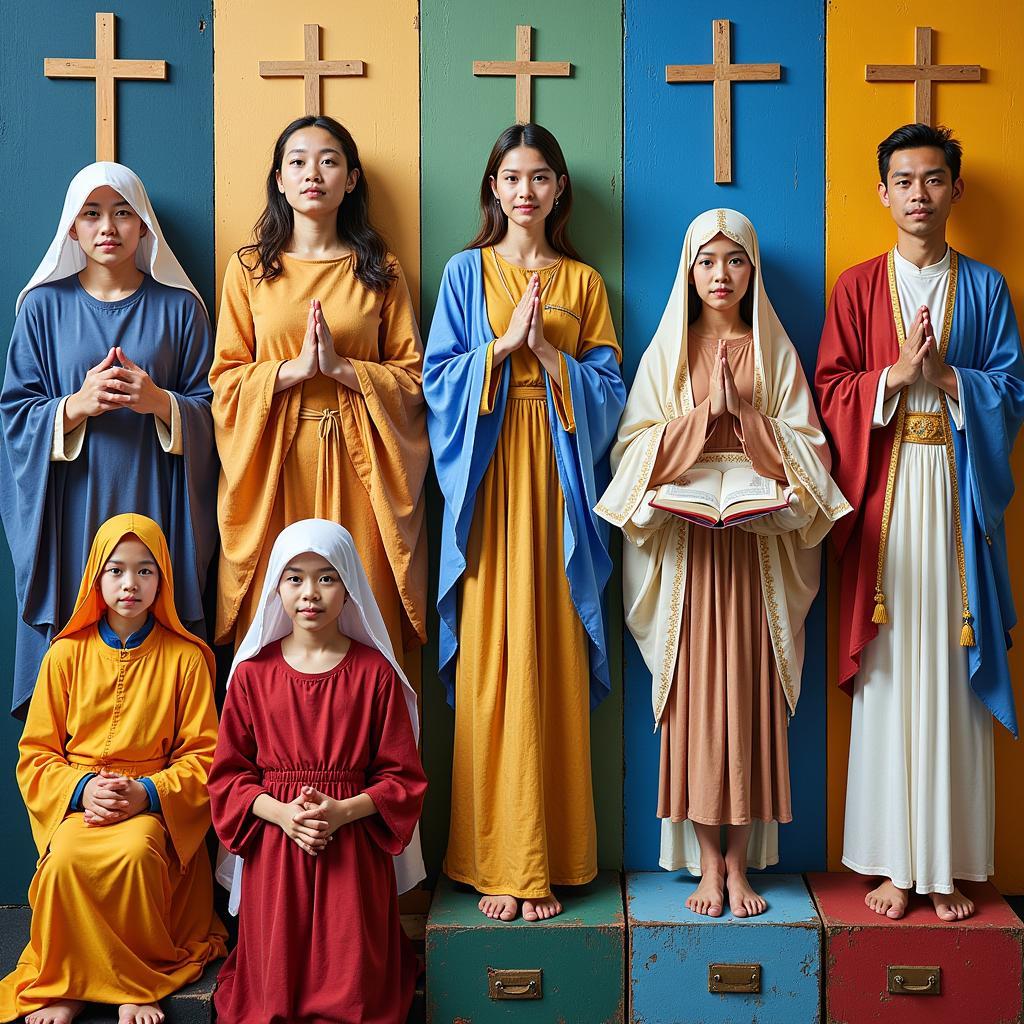 Religious Diversity in the Philippines
Challenges and Issues in Religious Policy
Despite significant strides in implementing its religious policy, the Philippines still faces challenges. One of the most significant is the conflict between the government and certain religious groups, particularly in areas with a strong presence of separatist Muslim groups.
Conflict and Reconciliation
The Philippine government is actively pursuing peaceful solutions to religious conflicts through dialogue and negotiation. Building trust and fostering mutual understanding among stakeholders are essential for achieving reconciliation and lasting peace.
“Continuous dialogue and trust-building are key to resolving religious conflicts and building a peaceful and prosperous society,” – Juan Dela Cruz, Expert on Religious Conflict at the University of Manila.
Conclusion
Philippine religious policy is based on freedom of religion and the separation of church and state. While challenges remain, the government is committed to ensuring all citizens can freely practice their faith without discrimination or coercion. This policy contributes significantly to building a diverse, peaceful, and prosperous society.
FAQ
-
What is the main religion in the Philippines?
- Roman Catholicism.
-
Does the Philippine Constitution guarantee freedom of religion?
- Yes.
-
What does the separation of church and state mean?
- The government does not interfere in religious affairs and vice versa.
-
What are the main challenges to religious policy in the Philippines?
- Conflicts between the government and some religious groups.
-
What is the government doing to address religious conflicts?
- Dialogue and negotiation.
-
What other religions exist in the Philippines?
- Islam, Protestantism, Buddhism, and indigenous beliefs.
-
How can respect be promoted among different religions?
- Through education and interfaith dialogue.
Suggested Further Reading
- Learn about Philippine culture.
- Popular tourist destinations in the Philippines.
Contact Us for Assistance
Phone: 0968239999, Email: [email protected] Or visit us at: TT36 – CN9 Road, Tu Liem Industrial Park, Phuong Canh Ward, Nam Tu Liem District, Hanoi. We have a 24/7 customer service team.









