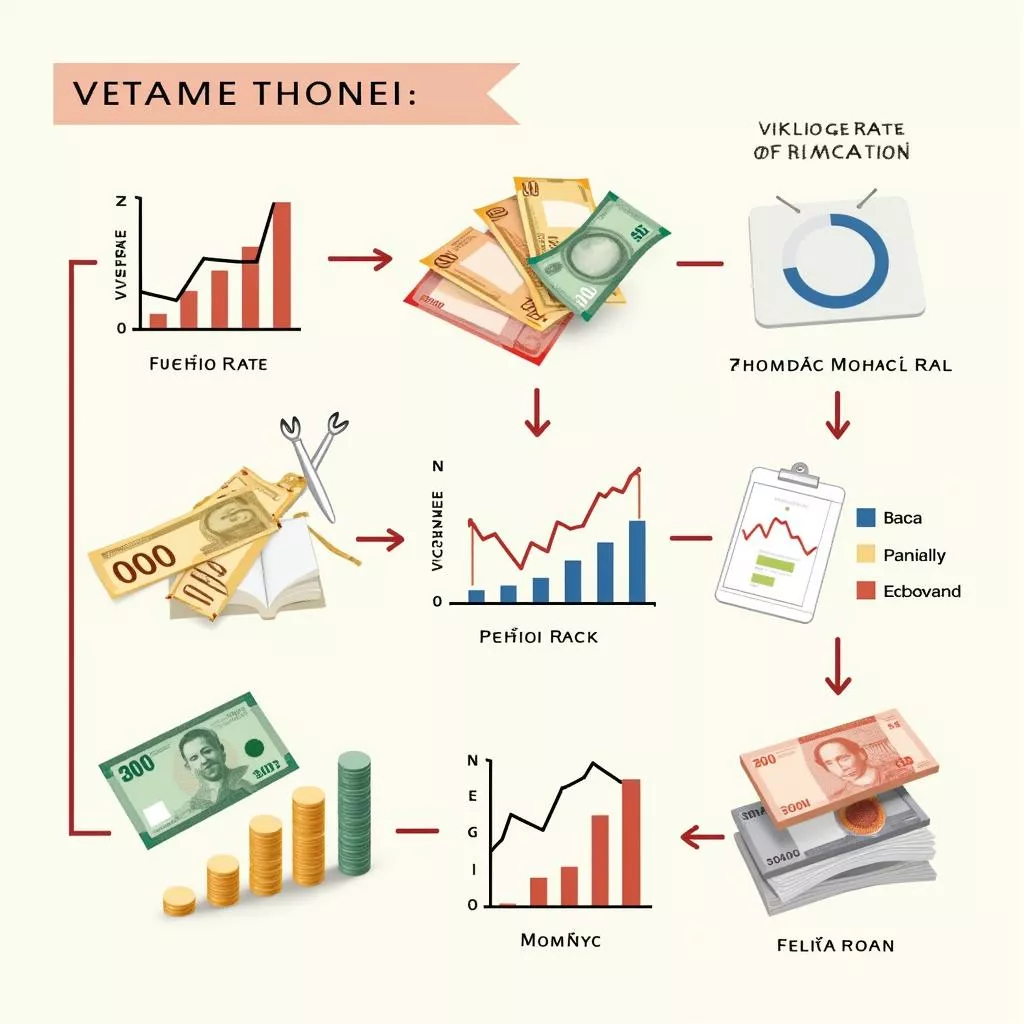
The saying “you get what you pay for” holds true, especially in today’s market economy. The increasing prevalence of buying, selling, and trading goods leads to constant fluctuations in exchange rates. So, what is Vietnam’s current exchange rate policy? Let’s explore this with XE TẢI HÀ NỘI!
Vietnam Exchange Rate Policy
What is Exchange Rate Policy? Why is it Necessary?
Simply put, exchange rate policy is a set of government measures to regulate exchange rates, ensuring the stability of the domestic currency and the economy.
Imagine the exchange rate as a balance between the Vietnamese Dong and other currencies. When this balance is unstable, the import and export of goods and services are affected.
For example, if Mr. Ba in Ha Dong exports agricultural products to the US, and the exchange rate fluctuates significantly, Mr. Ba’s profits will be affected. More seriously, businesses can suffer losses and even bankruptcy. Therefore, the exchange rate policy was born as a “savior,” helping to stabilize this “balance.”
What are the Objectives of Vietnam’s Exchange Rate Policy?
As Mr. Nguyen Van A, an economist at the Central Institute for Economic Management, shared in his book “Exchange Rate and Economic Development in Vietnam,” the primary objectives of Vietnam’s exchange rate policy are:
- Inflation Control: A stable exchange rate helps control the prices of imported goods, thereby controlling inflation and ensuring people’s livelihoods.
- Export Promotion: An appropriate exchange rate makes Vietnamese goods more competitive in the international market, promoting exports.
- Macroeconomic Stability: Exchange rate policy contributes to stabilizing the foreign exchange market, creating confidence for foreign investors.
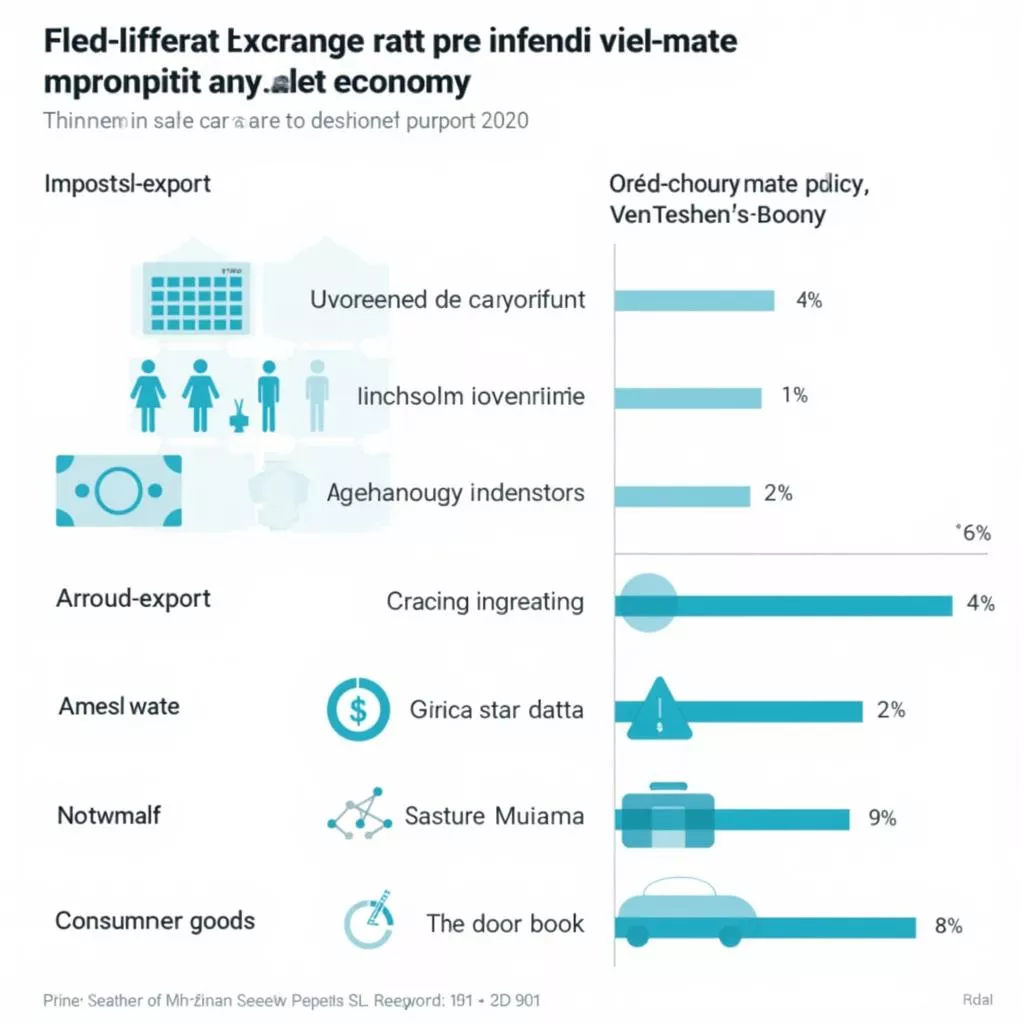 Impact of Exchange Rate Policy
The State Bank’s Exchange Rate Management Tools
To achieve these objectives, the State Bank of Vietnam uses various exchange rate management tools, such as:
- Interest Rate Adjustment: Increasing interest rates will attract foreign investment, helping to increase the value of the domestic currency.
- Open Market Operations: The State Bank buys or sells foreign currency on the market to regulate the exchange rate.
- Strict Control of Foreign Investment Flows: Limiting speculation and manipulation of the exchange rate.
How Does Exchange Rate Policy Affect Your Business?
You may not know that exchange rate policy affects all aspects of the economy, from large enterprises to small businesses.
For example, if you are in the business of updated insurance policy documents 2017, understanding the exchange rate policy will help you offer appropriate prices to customers, ensuring business profits.
Points to Note When Learning About Exchange Rate Policy
Understanding exchange rate policy is crucial, especially for those involved in business and trade. However, you should note:
- Update information regularly from official sources.
- Consult with economists before making business decisions.
- Do not believe in rumors that cause psychological instability.
Conclusion
Exchange rate policy plays a vital role in stabilizing the macroeconomy and promoting economic development. Hopefully, this article has provided you with useful information about Vietnam’s exchange rate policy.
To learn more about other policies such as What is US Monetary Policy or Vietnam’s Biogas Digester Construction Support Policy, you can visit the XE TẢI HÀ NỘI website.
For detailed information, please contact:
Phone number: 0968239999
Email: [email protected]
Address: No. TT36 – CN9 Road, Tu Liem Industrial Zone, Phuong Canh Ward, Nam Tu Liem District, Hanoi.









