
Venezuela’s policies and their influence on the Bolivian crisis are complex, involving intertwined political and economic interactions. This article delves into the effects of Venezuelan policies on the crisis in Bolivia.
How Venezuelan Policies Affected the Bolivian Crisis
Under Hugo Chávez and Nicolás Maduro, Venezuela’s government pursued an interventionist foreign policy towards neighboring countries, including Bolivia. This intervention manifested in various forms, from financial and political support for social movements to direct involvement in Bolivia’s internal affairs.
Some analysts argue that Venezuela’s policies exacerbated political and social instability in Bolivia. For instance, Venezuela’s support for Evo Morales, the former Bolivian president, allegedly heightened political polarization and contributed to the 2019 political crisis.
Venezuela's political influence on Bolivia
Aspects of Venezuelan Policy Impacting Bolivia
Venezuela’s policies impacted Bolivia across multiple dimensions:
- Economic: Venezuela provided substantial financial aid to Bolivia, primarily through preferential oil agreements. However, this reliance on aid made Bolivia’s economy vulnerable when Venezuela experienced its own economic crisis.
- Political: Venezuela allegedly supported specific political parties and social movements in Bolivia, contributing to increased political tensions.
- Social: Venezuelan intervention in Bolivian social affairs, such as education and healthcare, also sparked controversy and mixed reactions.
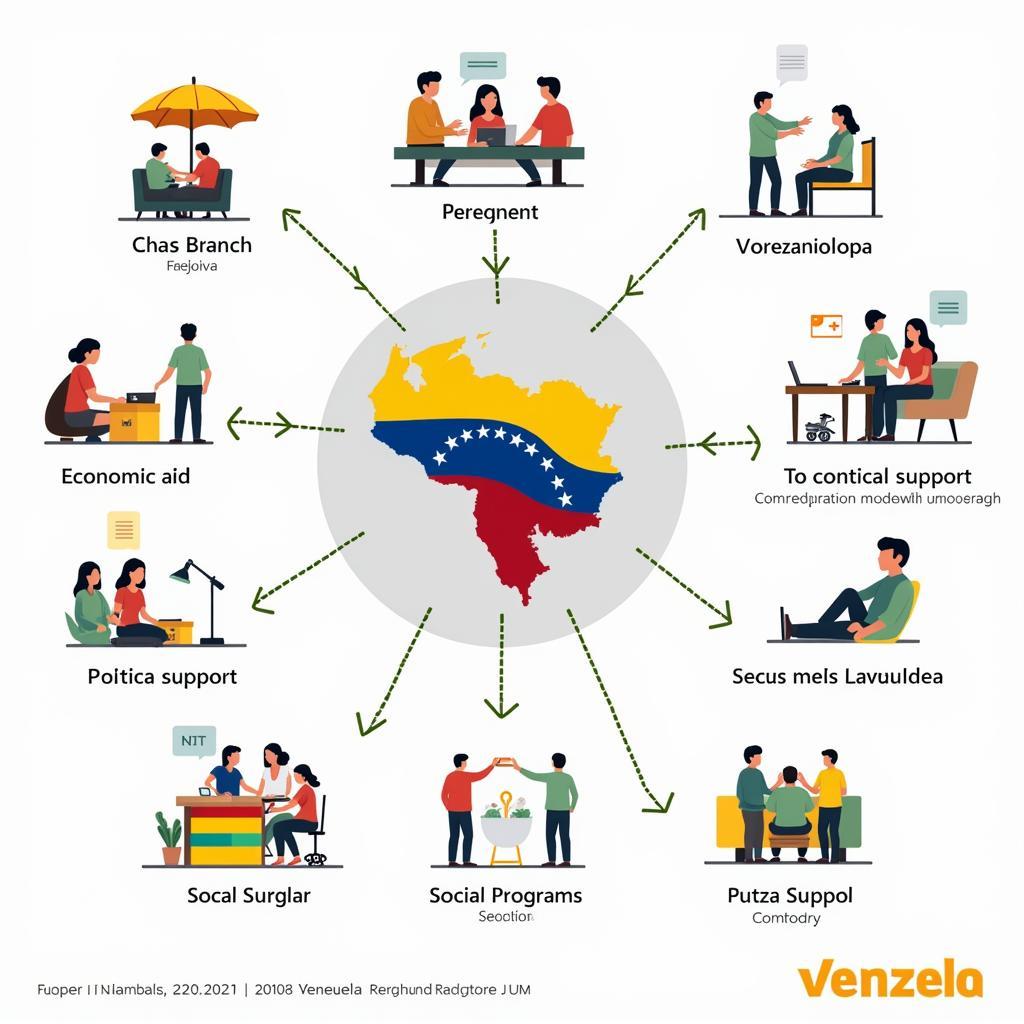 The various impacts of Venezuelan policies on Bolivia
The Role of the International Community
The international community expressed concern over the situation in Bolivia and Venezuela’s role in the crisis. Several countries urged Venezuela to refrain from interfering in Bolivia’s internal affairs and to respect its sovereignty.
How can the international community help Bolivia?
The international community can assist Bolivia by providing humanitarian aid, fostering political dialogue, and supporting economic reconstruction efforts.
Are sanctions against Venezuela effective?
The effectiveness of sanctions against Venezuela remains debated. Some argue that sanctions only worsen the humanitarian crisis, while others believe they are necessary to pressure the Venezuelan government.
Conclusion
Venezuela’s policies and their impact on the Bolivian crisis are a multifaceted issue with various aspects requiring consideration. Finding a solution to this crisis demands cooperation from all stakeholders, including the Bolivian and Venezuelan governments and the international community.
 Finding solutions for the Bolivian crisis
FAQ
- What is Venezuela’s foreign policy like?
- How has the Venezuelan crisis affected neighboring countries?
- What is the role of the international community in resolving the Bolivian crisis?
- What are the main challenges facing Bolivia?
- What are the future prospects for Bolivia?
- How can we support the Bolivian people during this difficult time?
- Where can I find more information on this topic?
Suggested Questions and Related Articles
- Learn about box trucks at XE TẢI HÀ NỘI.
- Which light truck suits your transportation needs?
- Compare different types of VAN trucks.









