The 2017 social policies significantly impacted various sectors in Vietnam, including the trucking industry in Hanoi. This article analyzes these policies and their effects on transportation activities, particularly for box trucks, light trucks, vans, and trucks with capacities of 1 ton, 2 tons, 3.5 tons, and 8 tons.
Impact of 2017 Social Policies on the Trucking Industry
The 2017 social policies focused on supporting small and medium-sized enterprises (SMEs), promoting rural economic development, and improving living standards. This indirectly increased the demand for transporting goods, ranging from agricultural products and consumer goods to construction materials. 2017 Social Policy Bank. Policies supporting loans for truck purchases also significantly contributed to the growth of the truck market.
Impact of 2017 social policies on the trucking industry
Opportunities for Trucking Companies
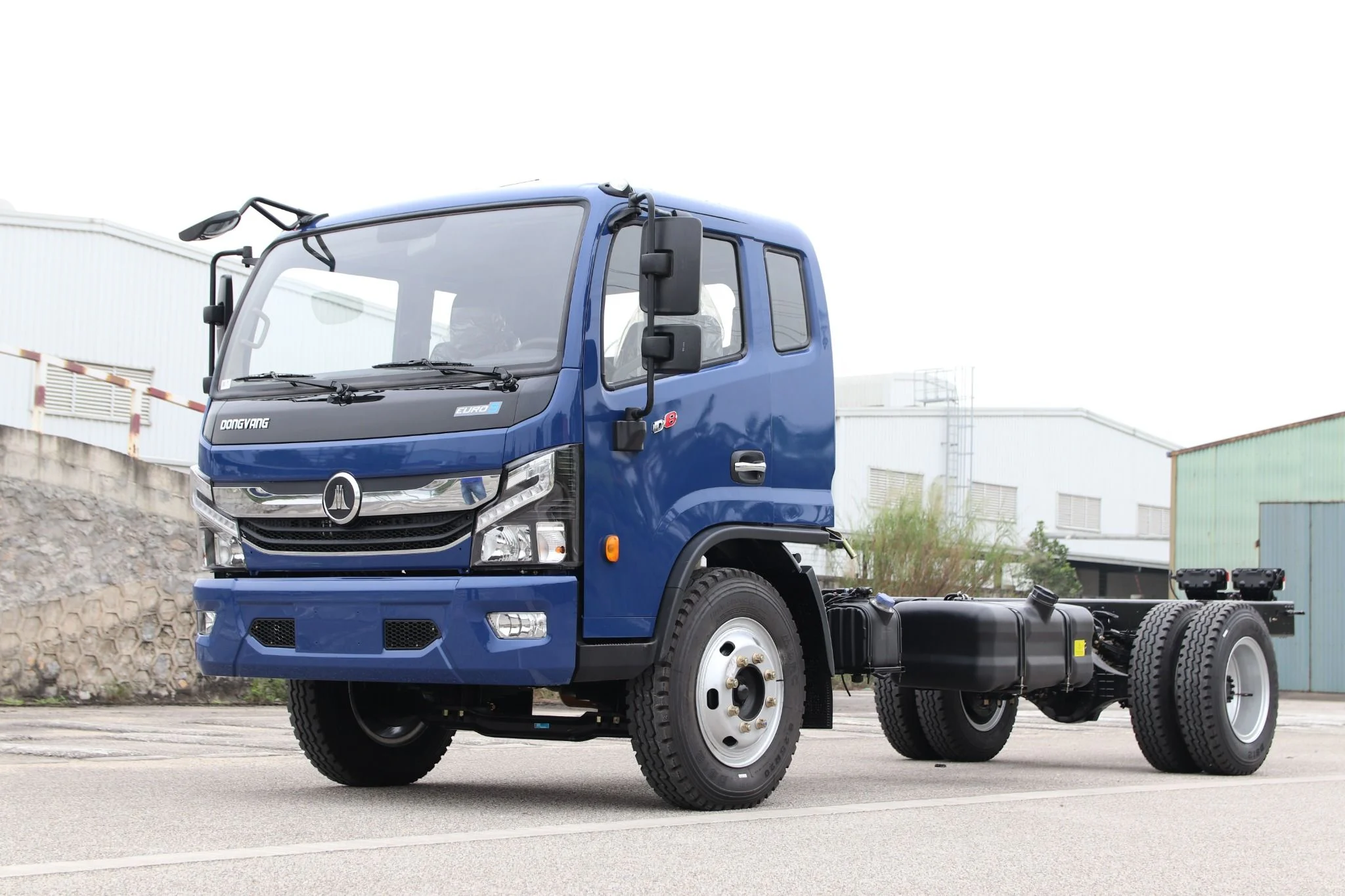
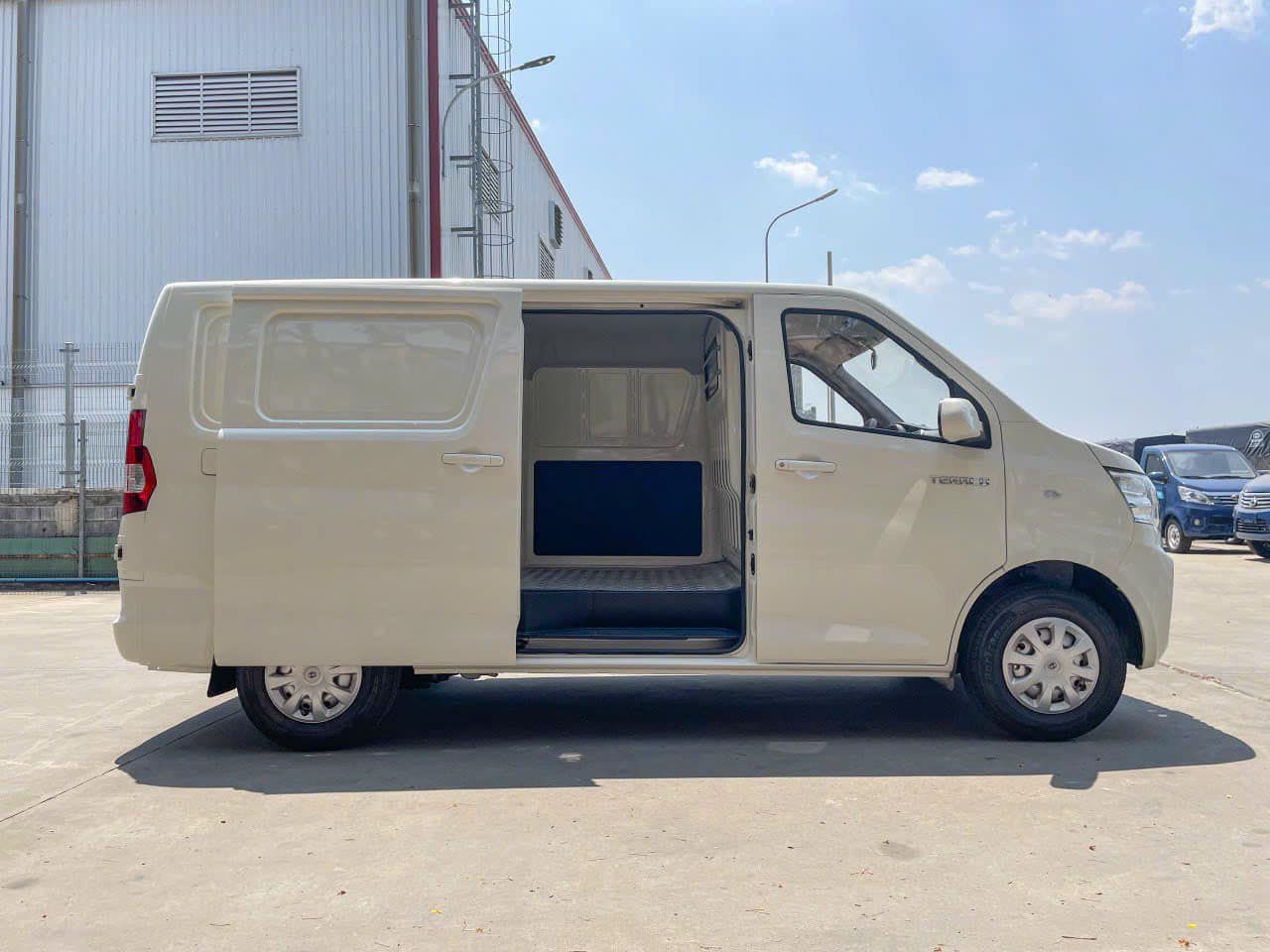
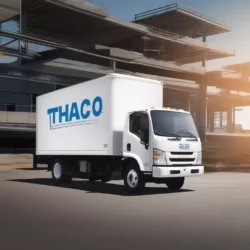
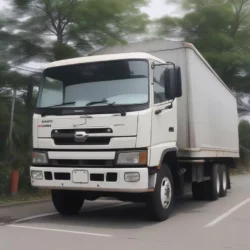
The 2017 social policies created numerous opportunities for trucking companies. The increased demand for freight transport necessitates investment in transportation vehicles, especially trucks suitable for various goods and terrains. Enclosed box trucks protect goods from weather conditions, light trucks offer maneuverability in urban areas, vans are ideal for transporting small goods, while trucks with capacities of 1 ton, 2 tons, 3.5 tons, and 8 tons cater to larger cargo loads.
Challenges and Solutions
Despite presenting opportunities, the 2017 social policies also posed challenges for the trucking industry. Intensified competition among businesses demands improved service quality, optimized operating costs, and quick responses to customer needs. 2017 Tax Policies for Social Enterprises. Solutions include investing in technology, efficient fleet management, and professional driver training.
 Transportation solutions in response to 2017 social policies
Policies and Financial Law Books
Understanding T’s policies and financial law books is crucial for trucking companies. Compliance with regulations regarding load capacity, vehicle dimensions, insurance, and other rules ensures stable operations and mitigates legal risks.
Choosing the Right Truck
Selecting the right truck for specific transportation needs is vital for optimizing business efficiency. Policies Effective in July. A 1-ton truck suits inner-city deliveries, 2-ton and 3.5-ton trucks handle long-haul transportation, while 8-ton trucks carry large cargo volumes.
Conclusion
The 2017 social policies significantly impacted the trucking industry, presenting both opportunities and challenges. Staying informed, choosing suitable trucks, and implementing effective management solutions will enable trucking companies to thrive in the context of these policies.
FAQ
- How did the 2017 social policies affect truck prices?
- How can trucking businesses leverage the 2017 social policies for growth?
- Which truck types are most suitable under the 2017 social policies?
- What is the procedure for obtaining a truck loan under the 2017 social policies?
- Do the 2017 social policies offer support for agricultural product transportation?
- How did the 2017 social policies impact passenger transportation?
- What are the traffic safety regulations outlined in the 2017 social policies?
Common Questions and Scenarios
Customers frequently inquire about loan procedures for truck purchases, suitable truck types for specific goods, operating costs, and traffic safety regulations.
Suggestions for Other Questions and Articles on the Website
Learn more about support policies for trucking businesses in the “News” section of our website.