This article provides a detailed analysis of Vietnam’s trucking violation policy, covering common offenses, the handling process, preventive measures, and frequently asked questions.
Common Trucking Violations in Vietnam
Various factors, both subjective and objective, can lead to violations in trucking operations. Common offenses include exceeding permissible weight limits, violating truck dimension regulations, neglecting technical safety requirements, breaching traffic laws, and transporting prohibited goods. Understanding these violations helps businesses and drivers proactively avoid risks and minimize potential penalties.
Violation Handling Process
Upon detecting a violation, authorities will document the incident and initiate the handling process according to regulations. This typically involves inspection, documentation, violation assessment, penalty application (fines, license suspension, vehicle impoundment), and guidance on corrective actions. Similar to understanding what is the NEP economic policy, comprehending this process ensures all stakeholders are aware of their rights and responsibilities.
Violation Severity and Penalties
The severity of a violation is determined by its nature, potential danger, and consequences. Penalties range from warnings and fines to license suspension and even criminal prosecution in severe cases. For 1-ton, 2-ton, 3.5-ton, and 8-ton trucks, penalties vary depending on the permissible load and the extent of the violation.
Preventing Trucking Violations
Preventing violations is crucial for safe and efficient trucking operations. Transportation companies should train drivers on traffic laws, transportation regulations, technical safety, and violation policies. Regular vehicle inspections are essential to ensure trucks are in good working order and comply with load and dimension regulations. This proactive approach aligns with the principles of the scorched-earth policy, aiming to prevent and mitigate risks.
The Role of Technology in Monitoring and Prevention
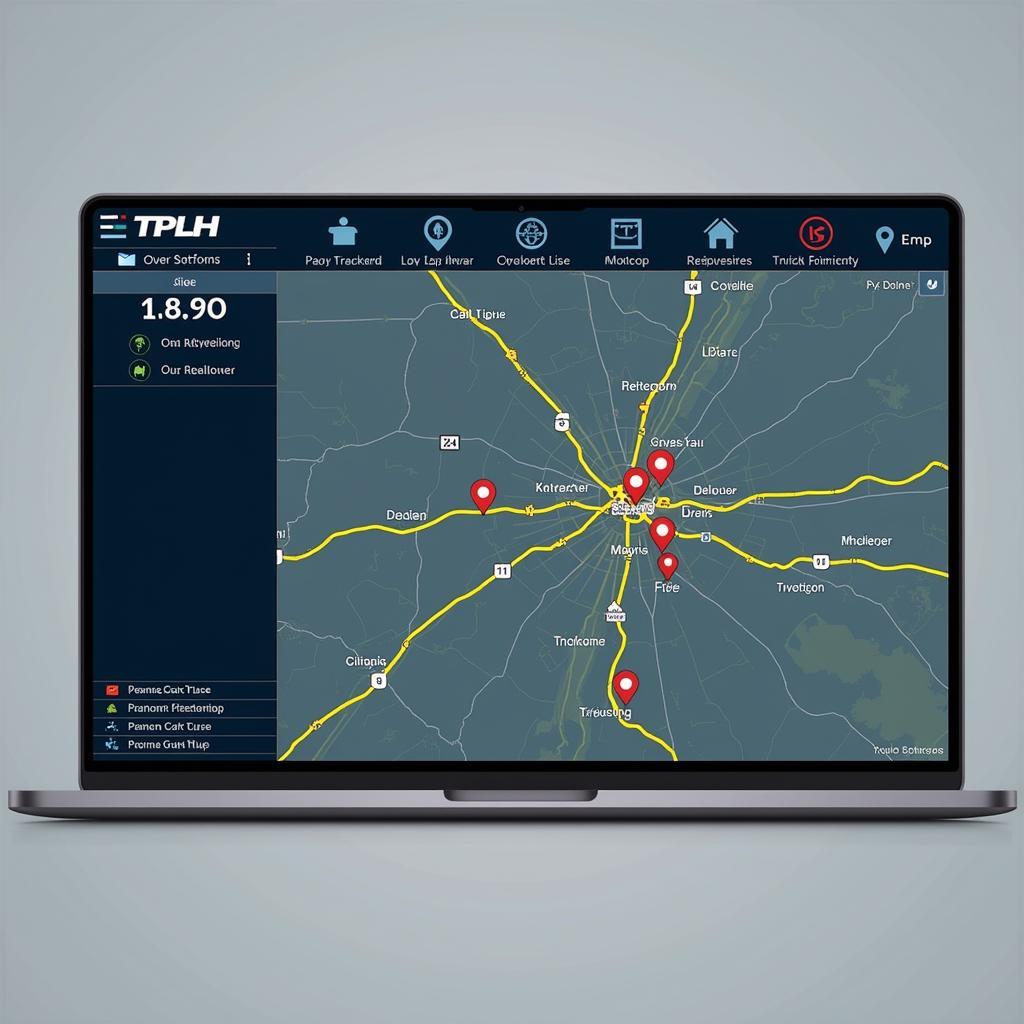
Technology plays a vital role in monitoring and preventing violations. GPS tracking systems, surveillance cameras, and transportation management software enable monitoring of routes, speed, load, and driver activity. This not only supports efficient management but also facilitates timely detection and handling of potential violations. Similar to export policies for textiles, technology enhances management efficiency and regulatory compliance.
Truck Monitoring Technology
Conclusion
The violation handling policy is crucial for maintaining traffic safety and order in trucking operations. Understanding this policy enables businesses and drivers to operate efficiently, avoid legal risks, and ensure the sustainable development of the transportation industry.
FAQs about the Violation Handling Policy
- What constitutes an overload violation?
- What are the penalties for speeding violations?
- How can I appeal a penalty decision?
- What are the regulations for transporting dangerous goods?
- What should a driver do when issued a violation ticket?
- What are the penalties for non-compliant truck containers?
- Where can I find more information about violation handling?
Further Questions
- What are the insurance policies for trucks?
- What is the registration process for new trucks?
For assistance, contact us at Phone: 0968239999, Email: [email protected], or visit us at: TT36 – CN9 Road, Tu Liem Industrial Zone, Phuong Canh Ward, Nam Tu Liem District, Hanoi. We have a 24/7 customer service team. You can also learn more about handling Google policy violations and books for finance professionals.









