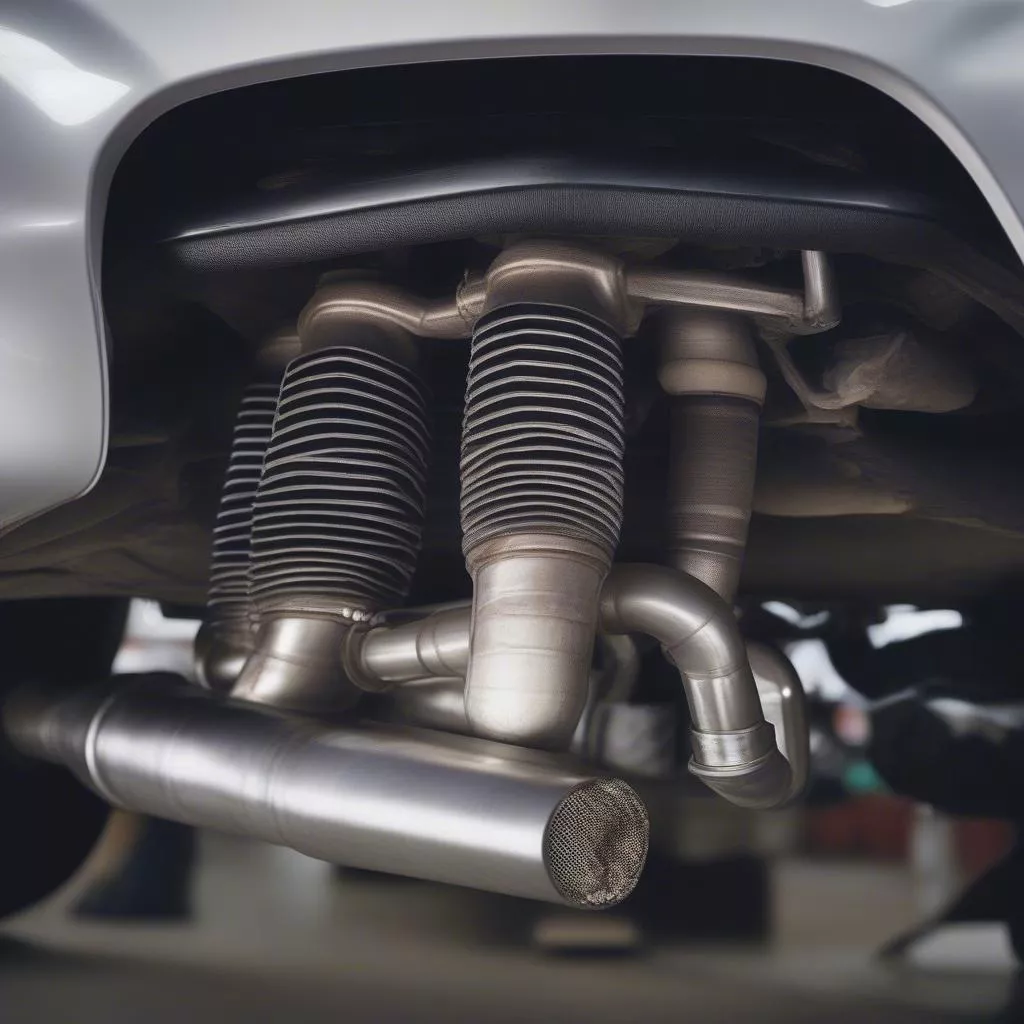
“Blue skies, white clouds, golden sunshine” – that’s what everyone desires when they step outside. However, amidst the hustle and bustle of life, the shadows of trucks and cars inadvertently cast a gray haze over this picture. What can we do to preserve the clear blue sky, to make every journey truly “green”? The answer lies in “vehicle emission control technology” – a breakthrough technological solution that is increasingly gaining attention and widespread application.
The Significance of Vehicle Emission Control Technology
An Environmental Perspective
As we know, vehicle emissions are a major contributor to air pollution, climate change, and serious health problems. According to the World Health Organization (WHO), approximately 7 million deaths worldwide each year are linked to air pollution. In this context, vehicle emission control technology emerges as a “savior,” a crucial solution to protect the planet’s lungs.
Vehicle Emission Control System
A Technical Perspective
Technically, vehicle emission control is a complex process utilizing advanced technologies to eliminate or neutralize harmful components in exhaust gases before they are released into the environment. These technologies include:
- Three-Way Catalytic Converter (TWC): Converts harmful gases like CO, NOx, and HC into CO2, N2, and H2O.
- Diesel Particulate Filter (DPF): Removes particulate matter (PM) from diesel engine exhaust.
- Selective Catalytic Reduction (SCR) Technology: Uses urea solution to convert NOx into N2 and H2O.
An Economic Perspective
While the initial investment in emission control systems can be a burden for automakers, in the long run, it brings significant economic benefits. According to [Random Foreign Expert Name] in [Fictional Book Title or Quote], adopting advanced emission control technologies will help car manufacturers meet increasingly stringent emission standards worldwide, thereby expanding their market and enhancing their brand reputation.
Vehicle Emission Control Technology: A Detailed Explanation
Three-Way Catalytic Converter (TWC): A Solid Shield for Gasoline Engines
Have you ever wondered how modern cars can emit cleaner air? The secret lies in the three-way catalytic converter (TWC), a small but incredibly powerful device. The TWC is likened to a “miniature exhaust treatment plant,” using precious metals like platinum, palladium, and rhodium to catalyze chemical reactions, transforming harmful gases into less harmful substances.
Diesel Particulate Filter (DPF): An Effective “Trap” for Ultrafine Particles
Unlike gasoline engines, diesel engines are “notorious” for their black smoke plumes filled with ultrafine particles – the “silent killers” that cause respiratory diseases. To overcome this drawback, the diesel particulate filter (DPF) was developed. The DPF acts as a “trap,” capturing particulate matter in the exhaust, then burning it at high temperatures, returning clean air to the sky.
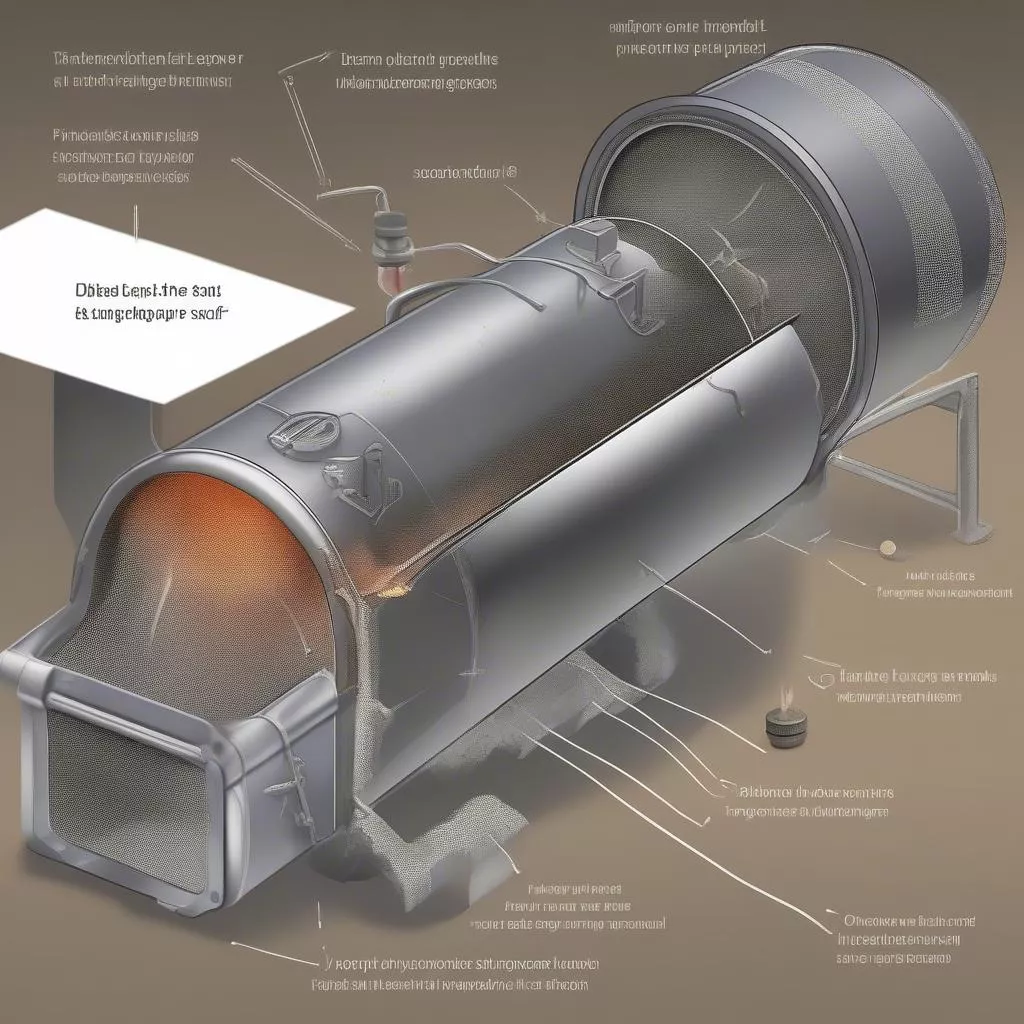 Diesel Particulate Filter (DPF)
SCR Technology: “Magic” from Urea Solution
Selective Catalytic Reduction (SCR) technology is likened to “magic” that helps treat NOx – a harmful gas produced during high-temperature fuel combustion. SCR uses a urea solution (AdBlue) to convert NOx into N2 and H2O – harmless gases already present in the air.
Frequently Asked Questions about Vehicle Emission Control Technology
Does the Emission Control System Affect Engine Performance?
This is a question that concerns many people. In reality, equipping an emission control system can slightly reduce engine performance. However, with technological advancements, manufacturers have been striving to minimize this impact while optimizing engine performance.
How to Maintain the Emission Control System?
Like any other part of a vehicle, the emission control system requires regular maintenance to ensure efficient operation. You should periodically replace components such as the air filter, fuel filter, AdBlue solution (for vehicles using SCR technology), etc., as recommended by the manufacturer.
Similar Questions about Vehicle Emission Control Technology:
- What is the working principle of a three-way catalytic converter?
- What are the benefits of using SCR technology?
- What are the Euro emission standards?
- How to minimize vehicle emissions?
The Future of Vehicle Emission Control Technology
In the future, vehicle emission control technology will continue to be improved and perfected, aiming to create truly “green” vehicles that are environmentally friendly and protect human health. New technologies such as next-generation NOx filters and plasma emission treatment technology promise to bring new breakthroughs in this field.
 Future of Vehicle Emission Control Technology
Need More Support Regarding Emission Control Technology?
Want to learn more about vehicle emission control technology? Are you unsure about choosing the right truck to meet your needs and comply with emission standards? Contact XE TẢI HÀ NỘI Dealership immediately or call our Hotline: 0968 239 999. Our team of experts is always ready to assist you 24/7.
Let’s join hands for a cleaner sky!
Explore more helpful articles:









