Car air conditioning controls play a vital role in ensuring the comfort of both the driver and passengers. This article provides detailed information about car AC controls, including their location, functions, and how to use them effectively.
Understanding Car AC Controls
Car AC controls consist of buttons and knobs located on the center console or dashboard area, allowing the driver to adjust the air conditioning system within the vehicle.
Location and Function of Car AC Control Buttons
Depending on the car model and brand, the specific location and function of the buttons on the AC control panel may vary. However, in general, these controls typically include:
- A/C Button (On/Off): This button, often symbolized by a snowflake, is used to turn the entire air conditioning system on or off.
- Air Intake Mode Button: Selects the air source, either from outside the vehicle or recirculating the air inside.
- Airflow Direction Control Button: Directs the airflow to specific vents, such as the dashboard vents, footwell vents, or windshield defroster.
- Temperature Control Knob: Adjusts the temperature inside the car to the desired level.
- Fan Speed Control Knob: Regulates the speed of the airflow based on cooling needs.
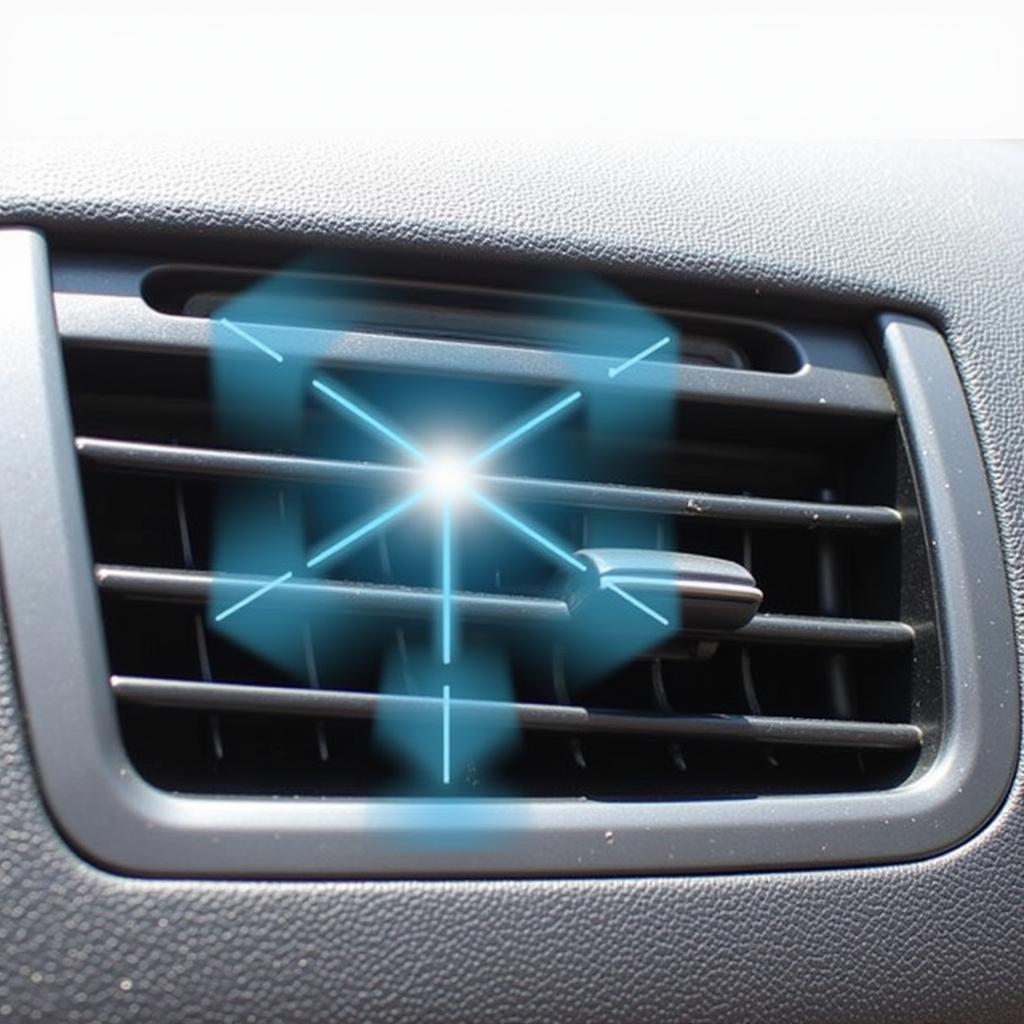
Adjusting car AC airflow direction
Using Car AC Controls Effectively
To use the air conditioning system efficiently and ensure its longevity, consider the following tips:
- Start the engine before turning on the AC: This helps reduce the load on the engine, especially when the car has been parked under the hot sun for an extended period.
- Begin with the fan: Turn on the fan first, then gradually decrease the temperature and select the cooling mode.
- Avoid setting the temperature too low: Maintain a temperature difference of about 5-7 degrees Celsius between the inside and outside of the car.
- Turn off the AC about 5 minutes before turning off the engine: This helps equalize the temperature inside and outside the car, preventing thermal shock for passengers.
- Regularly maintain the AC system: Replace the cabin air filter and clean the system according to the manufacturer’s recommendations.
Tips for Fuel-Efficient AC Use
- Park in the shade: This helps reduce the temperature inside the car, lessening the load on the AC system.
- Use recirculation mode: Once the car is cool, switch to recirculation mode to utilize the already cooled air inside.
- Limit opening windows while the AC is on: Opening windows allows cool air to escape, forcing the AC to work harder.
Conclusion
Understanding the location, function, and proper use of car AC controls is essential for ensuring the comfort of the driver and passengers, as well as prolonging the life of the air conditioning system.
Frequently Asked Questions about Car AC Controls
1. Why is my car AC not working?
Several reasons can cause this, such as a blown fuse, a refrigerant leak, or a problem with the compressor.
2. How often should I replace the cabin air filter?
It’s recommended to replace the cabin air filter every 10,000 – 15,000 km or as recommended by the manufacturer.
3. Should I use Max A/C mode continuously?
Max A/C mode consumes more fuel. Use it moderately and switch to regular mode once the car is cool.
For more information about vehicle dispatch orders for business trips, Ford Vietnam assembly plant, or other services, please contact us at Phone: 0968239999, Email: [email protected] or visit our address: No. TT36 – CN9 Road, Tu Liem Industrial Park, Phuong Canh Ward, Nam Tu Liem District, Hanoi. We have a 24/7 customer service team.