“Heard about the recent buzz around treasury stock transfers? Tax regulations are as confusing as a bowl of tangled noodles,” Uncle Ba, a seasoned Hanoi rice truck driver, asks Uncle Tu, the “expert” on light trucks, vans, and heavy-duty trucks at My Dinh bus station, while sipping his hot tea.
Uncle Tu chuckles, “Taxes? You gotta check the official policy documents. Let me tell you about my friend, a dump truck driver in Cau Giay, who also got tangled up in this tax issue…”
Unveiling the Mystery of Treasury Stock Transfer Tax Regulations
What are Treasury Stock Transfer Tax Regulations?
Treasury stock transfer tax regulations are essentially the government’s “rules of the game” for buying and selling treasury stock. They clearly define the applicable taxes. Understanding these regulations is crucial for transportation businesses, whether operating dump trucks, vans, or 8-ton trucks, to ensure transparency and optimize profits.
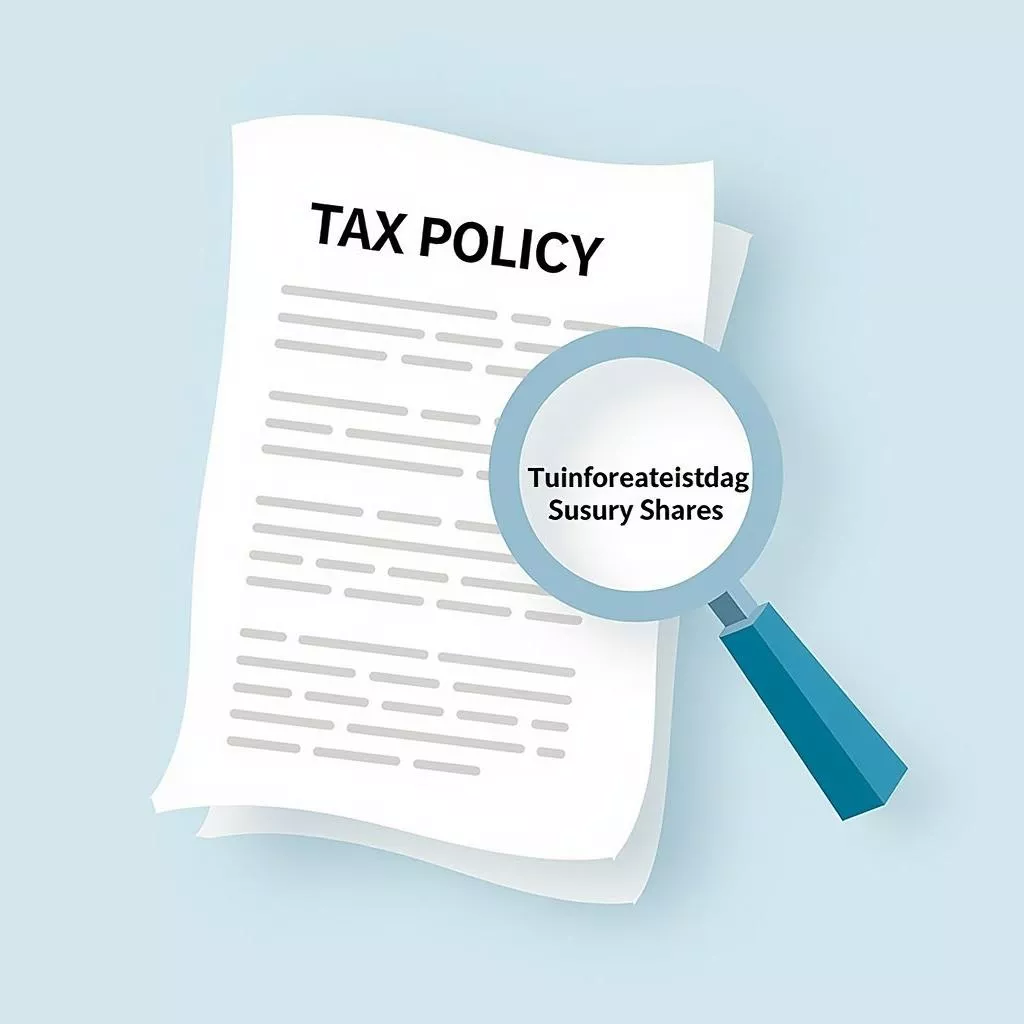
Illustration of tax policy document
Why Should You Care About These Regulations?
Because while “tax money” doesn’t disappear, it does get “transferred” to the state budget. By understanding the rules, businesses can navigate smartly, ensuring compliance while maximizing economic benefits.
Key Points of Treasury Stock Transfer Tax Regulations
- Taxpayer: The company conducting the treasury stock transfer.
- Tax Rate: According to current regulations, the corporate income tax rate on treasury stock transfers is 20% of the taxable income.
- Tax Base: The income from the treasury stock transfer, calculated as the transfer price minus the cost basis and deductible expenses.
- Declaration and Payment Responsibility: The company is responsible for self-declaring and paying taxes as required.
Note: This information is for general reference only. For detailed information on treasury stock transfer tax regulations, businesses should consult the relevant legal documents or contact the tax authorities for specific guidance.
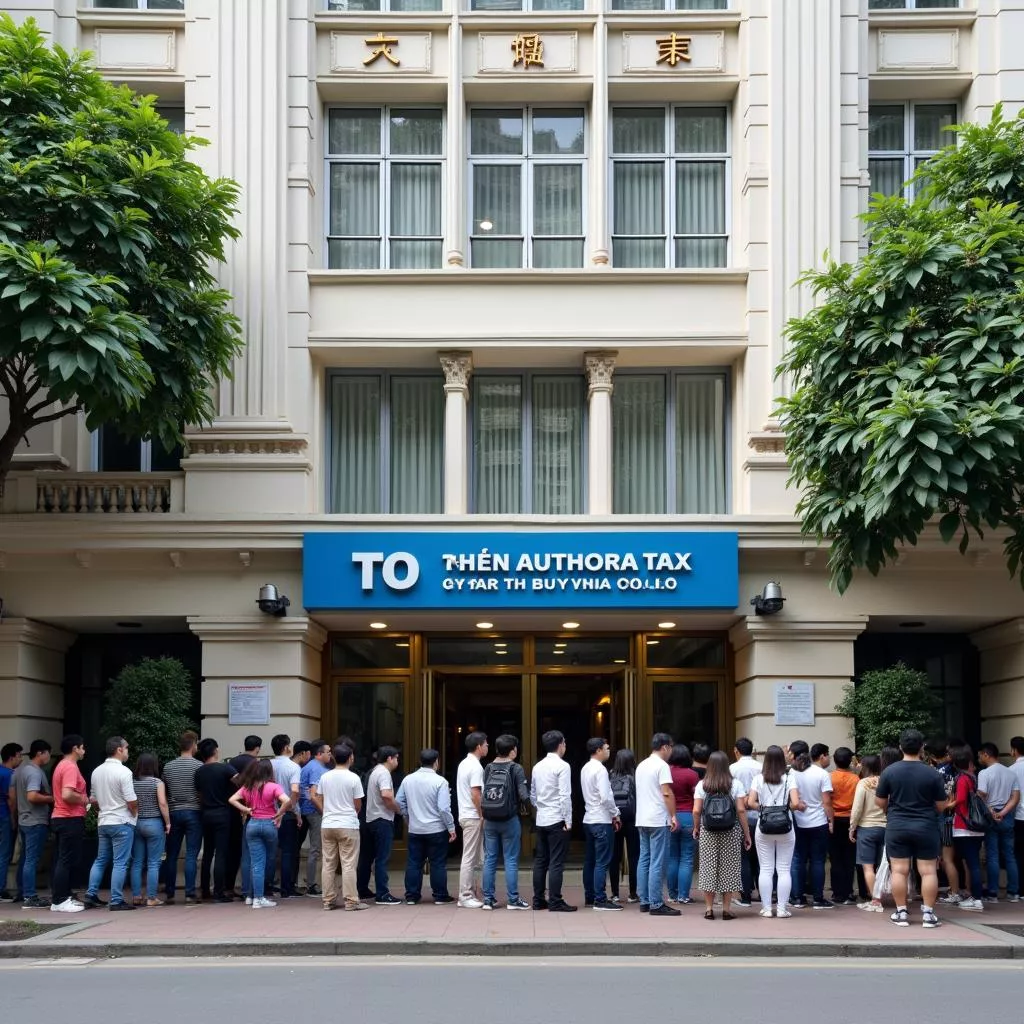 Hanoi Tax Department building
The Dump Truck Driver’s Story
Returning to Uncle Tu’s story, his friend, the dump truck driver in Cau Giay, unknowingly overpaid taxes due to a lack of understanding of treasury stock transfer regulations. Fortunately, the tax authorities later provided guidance and refunded the overpaid amount.
“Since then, my friend has become much more cautious. He calls and thoroughly researches whenever tax paperwork is involved. Driving a truck is already tiring; dealing with taxes on top of that is truly exhausting,” Uncle Tu shared.
Important Reminders
- Always stay updated on the latest treasury stock transfer tax regulations.
- Consult with a tax advisor for specific advice tailored to your situation.
- Keep complete records and documents related to treasury stock transfers.
Cultural Belief: Vietnamese people believe in starting the year by buying salt and ending it by buying lime. Similarly, in business, caution and attention to detail are crucial from the start. Tax matters can be complex, but with a clear understanding of the rules, businesses can navigate smoothly, overcome challenges, and prosper.
Conclusion
Treasury stock transfer tax regulations are a “compass” for businesses in the transportation sector. Understanding and applying these regulations effectively will help businesses optimize profits and fulfill their social responsibilities.
We hope this article has provided valuable information. For any inquiries, contact XE TẢI HÀ NỘI at 0968239999, email: [email protected], or visit us at TT36 – CN9 Road, Tu Liem Industrial Zone, Phuong Canh Ward, Nam Tu Liem District, Hanoi. Our team of experts is available 24/7.









