Macroeconomic policy is a perpetually debated topic, directly impacting a nation’s development and stability. This article delves into the controversies surrounding macroeconomic policy, providing insights into its importance and the challenges of managing an economy.
Differing Views on Macroeconomic Policy
Macroeconomic policy encompasses fiscal, monetary, and trade policies, each with its own set of advantages and disadvantages, leading to disagreements among economists.
The Fiscal Policy Debate
Fiscal policy, concerning government spending and taxation, is often at the heart of the debate. Some advocate for increased government spending to stimulate economic growth, particularly during recessions. Conversely, others argue that tax cuts encourage investment and job creation, fostering more sustainable growth. This debate also revolves around controlling public debt and balancing the budget.
The Monetary Policy Debate
Monetary policy, managed by the central bank, focuses on controlling inflation and maintaining price stability. Some prioritize low inflation, while others believe that higher inflation is acceptable to promote economic growth and reduce unemployment. This debate also includes choosing appropriate monetary policy tools, such as interest rates and money supply.
The Trade Policy Debate
Trade policy, concerning imports, exports, and trade barriers, is another contentious topic. Some advocate for free trade, believing it fosters competition and global economic growth. However, others support protectionism, arguing for safeguarding domestic industries from foreign competition.
The Importance of Macroeconomic Policy
Despite differing viewpoints, the importance of macroeconomic policy in shaping the economy is undeniable. Effective macroeconomic policies can stabilize the economy, control inflation, promote economic growth, and create jobs. Conversely, ineffective policies can lead to recessions, high inflation, and increased unemployment.
Impact on Economic Growth
Macroeconomic policy can directly impact economic growth by influencing investment, consumption, and exports. For instance, expansionary fiscal policy can stimulate short-term growth but may also lead to increased public debt.
Controlling Inflation
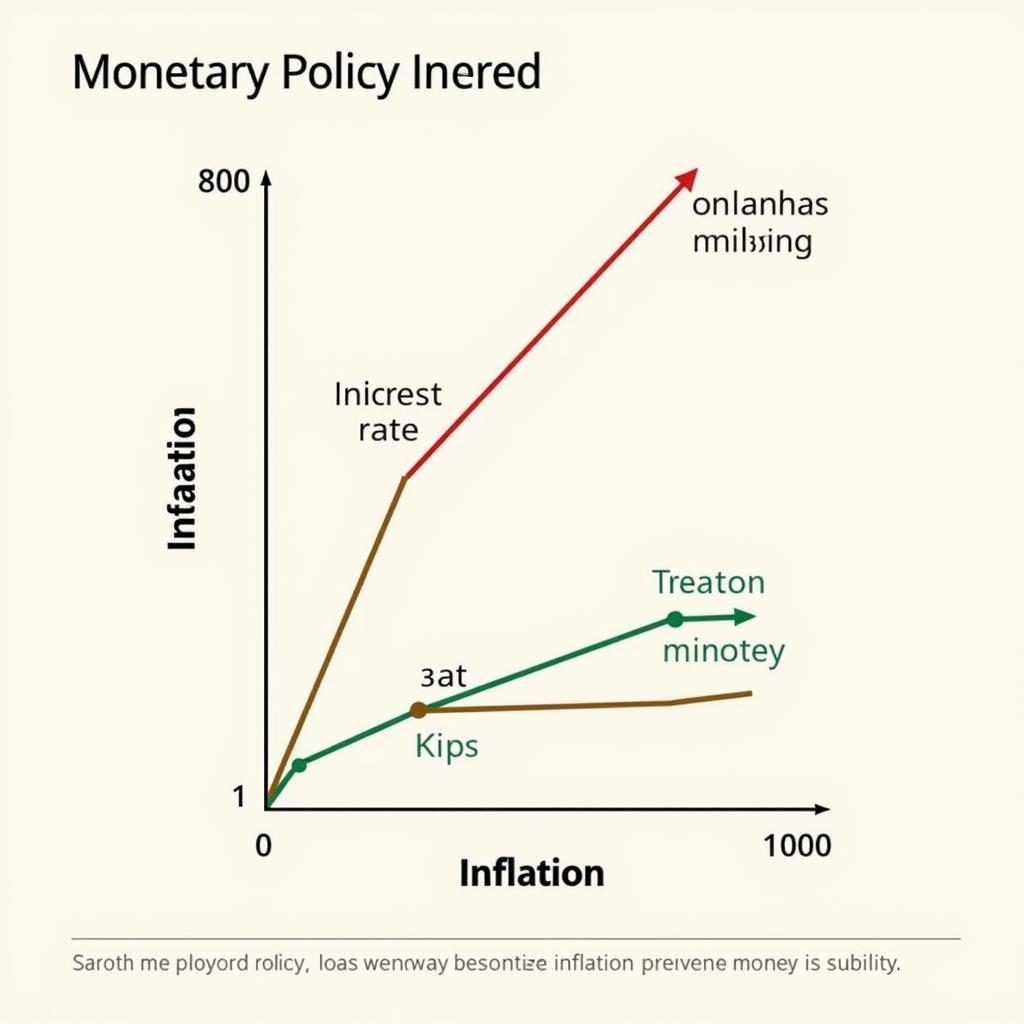
Monetary policy plays a crucial role in controlling inflation. By adjusting interest rates and money supply, the central bank can influence prices and maintain macroeconomic stability.
Macroeconomic Policy and Inflation Control: Chart illustrating the relationship between inflation, interest rates, and money supply.
Job Creation
Macroeconomic policy can also affect the labor market. Expansionary fiscal and loose monetary policies can create new jobs but may also lead to inflation.
Challenges in Managing Macroeconomic Policy
Managing macroeconomic policy is challenging. Policymakers face numerous obstacles, including future uncertainties, economic complexities, and political pressures.
Similar to current exchange rate management policies, accurately predicting the impact of macroeconomic policy is difficult. The economy constantly changes and is influenced by various factors.
 Challenges in Macroeconomic Policy Management: Image illustrating the complexity of the economy and the difficulties in predicting policy impact.
Conclusion
The debate surrounding macroeconomic policy is an integral part of economic management. Understanding the different perspectives and the challenges in managing macroeconomic policy is crucial for making sound decisions and fostering a stable and prosperous economy. Careful consideration of economic and social objectives is necessary to achieve optimal results.
FAQ
- What is macroeconomic policy?
- What are the main types of macroeconomic policies?
- Who is responsible for managing macroeconomic policy?
- How do fiscal and monetary policies differ?
- What are free trade and protectionism?
- What are the main challenges in managing macroeconomic policy?
- How can the effectiveness of macroeconomic policy be evaluated?
To learn more about population policy and family planning, please see the detailed article on our website. Just as social policy bank loans in Phu Nhuan is an important topic, we also have an in-depth analysis article on this issue. You can also learn more about Viettel’s number portability policy and questions about the renovation policy in Vietnam.
For assistance, please contact Phone Number: 0968239999, Email: [email protected] Or visit our address: No. TT36 – CN9 Road, Tu Liem Industrial Park, Phuong Canh Ward, Nam Tu Liem District, Hanoi. We have a 24/7 customer support team.









