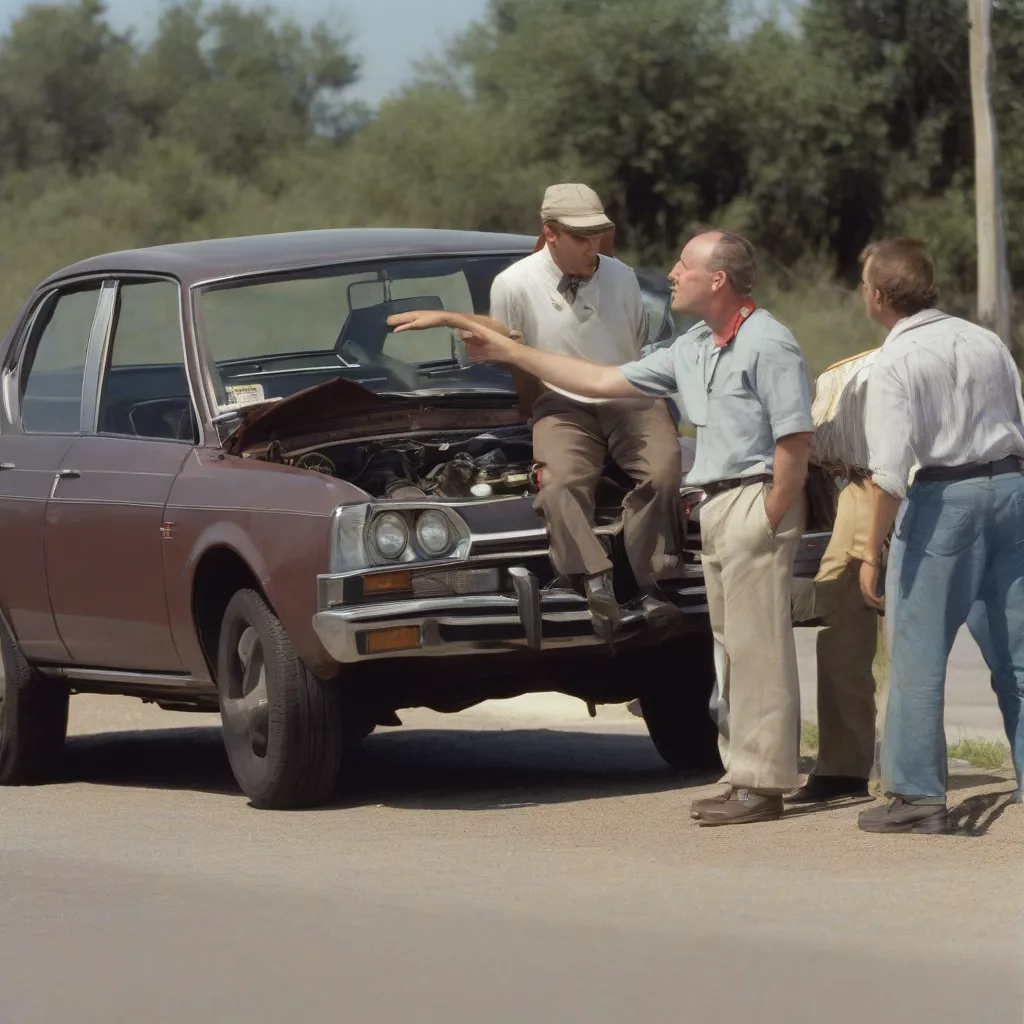
Buying a used car can be a daunting task in today’s vibrant market. Finding a vehicle that meets your needs, budget, and reliability expectations can feel overwhelming. Don’t worry! This comprehensive guide provides an A to Z breakdown of used car evaluation, equipping you with the knowledge to make an informed decision.
Why Consider Buying a Used Car?
Used cars are increasingly popular due to several compelling advantages:
- Lower Price: Compared to new cars, used vehicles offer significant cost savings.
- Less Depreciation: New cars lose value quickly after purchase, while used cars depreciate at a slower rate.
- Wider Selection: The used car market offers a diverse range of makes, models, and years, allowing you to find the perfect fit for your needs and budget.
Evaluating a Used Car: Inside and Out
Choosing the right used car requires a thorough evaluation, from the exterior and interior to the engine and transmission:
1. Exterior Inspection
- Overall Appearance: Observe the car from a distance to assess its overall shape and look for any dents, misalignments, or damage.
- Paint Inspection: Carefully examine the paint for scratches, chips, fading, mismatched colors, or signs of repainting.
- Window Inspection: Ensure that all windows are free of cracks, chips, or deep scratches.
- Tire Inspection: Check tire wear, tread depth, and look for signs of cracking or bulging.
2. Interior Inspection
- Cabin Check: Evaluate the car’s smell, seat condition, steering wheel, and dashboard for wear, tear, or damage.
- Electrical System Check: Test all lights, horn, air conditioning, and entertainment systems.
- Odometer Check: Note the mileage and compare it to the vehicle’s age and usage history. High mileage may require closer scrutiny.
3. Engine and Transmission Inspection
- Engine Check: Start the engine and listen for smooth operation, unusual noises, or knocking sounds. Check oil and coolant levels.
- Transmission Check: Shift through all gears to ensure smooth transitions without any grinding or slipping.
- Brake and Suspension Check: Test the brakes for responsiveness and feel for any vibrations or pulling. Check the suspension by driving over bumps.
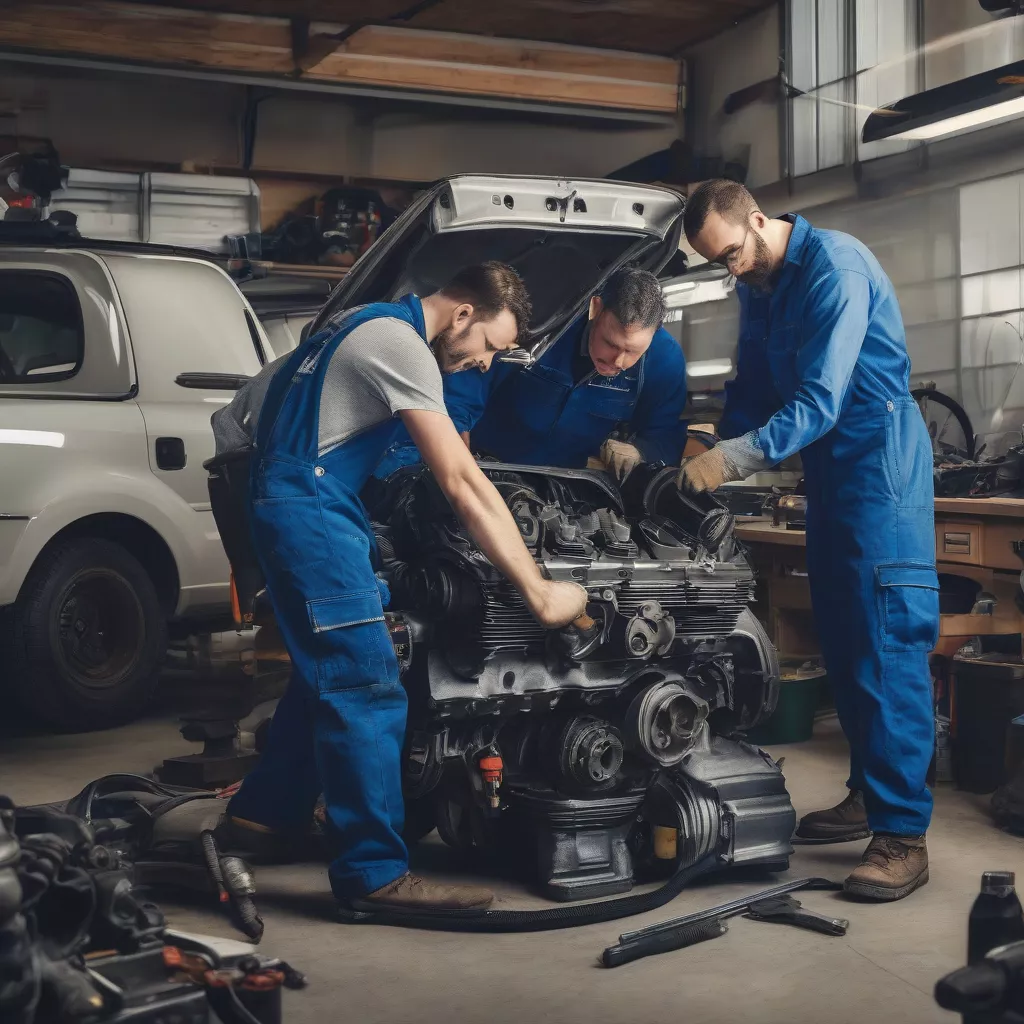 Used car engine inspection
Important Considerations When Evaluating a Used Car
- Vehicle History: Request the car’s maintenance records, repair history, and title documents from the seller.
- Professional Inspection: Take the car to a reputable mechanic for a comprehensive inspection before making a purchase.
- Price Negotiation: Research the market value of similar vehicles and negotiate a fair price based on the car’s condition.
Frequently Asked Questions About Used Car Evaluation
Q: Where can I buy a used car reliably?
A: You can explore reputable used car dealerships in Hanoi, such as XE TẢI HÀ NỘI on Nguyen Van Linh Street, Long Bien District, or dealerships on Pham Hung Street, Nam Tu Liem District.
Q: What is considered good mileage for a used car?
A: There’s no definitive answer, as it depends on the car’s age and usage. However, 15,000 – 20,000 km per year is generally considered reasonable.
Q: What about Feng Shui when buying a used car?
A: Some believe in choosing a car color that aligns with their zodiac sign or avoiding cars with “unlucky” license plates according to Vietnamese beliefs.
XE TẢI HÀ NỘI – Your Trusted Source for Used Trucks
If you’re looking for reliable used trucks in Hanoi, XE TẢI HÀ NỘI is your trusted partner. We offer a wide selection of quality used trucks that have undergone rigorous inspections, ensuring peace of mind for our customers.
In addition to used trucks, we also offer used cars, dump trucks, and tractor trucks at competitive prices with attractive deals.
Contact XE TẢI HÀ NỘI today for expert advice and assistance!
Conclusion
We hope this guide has provided valuable insights into evaluating used cars. Wishing you the best of luck in finding your perfect vehicle!









