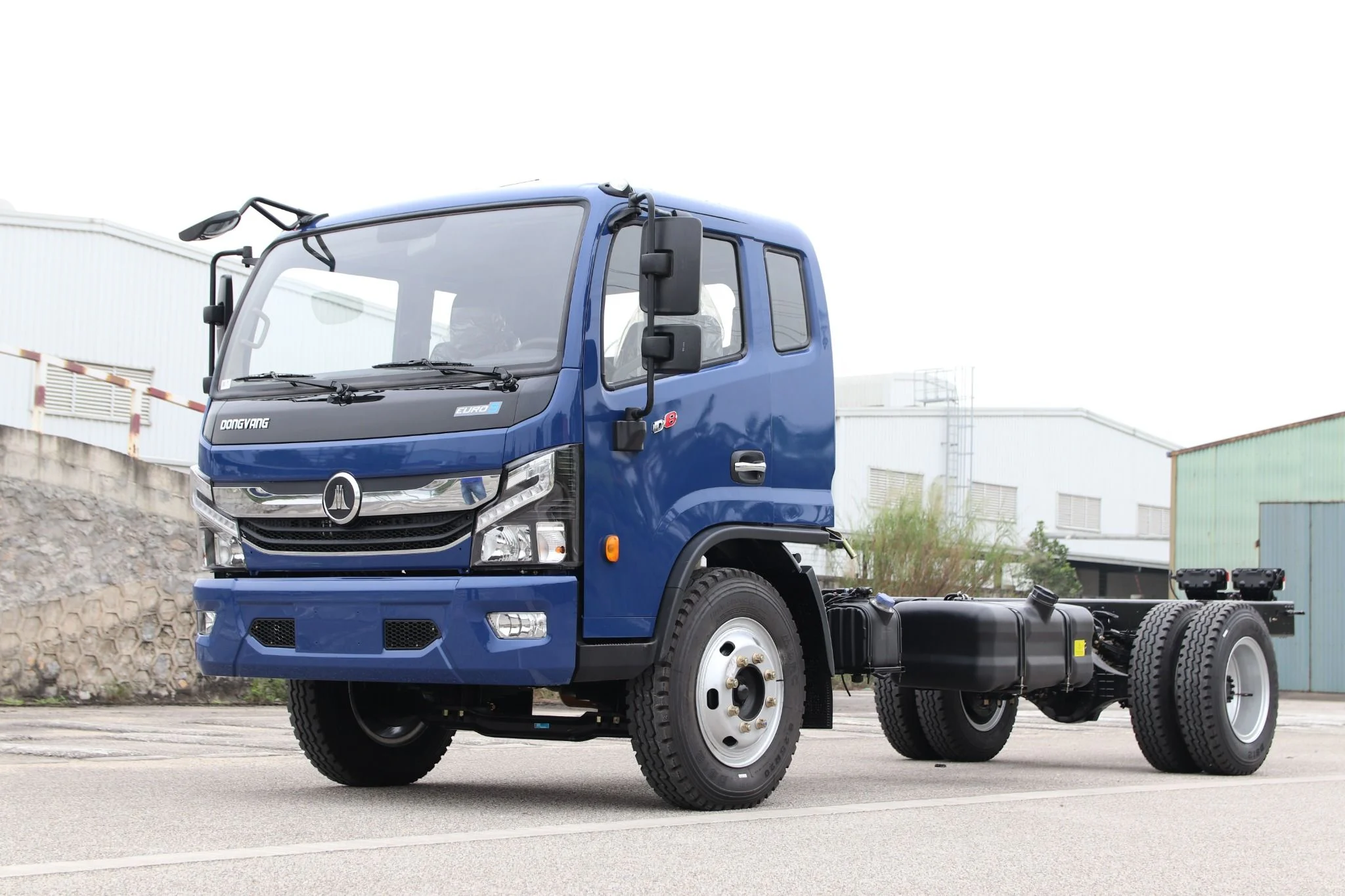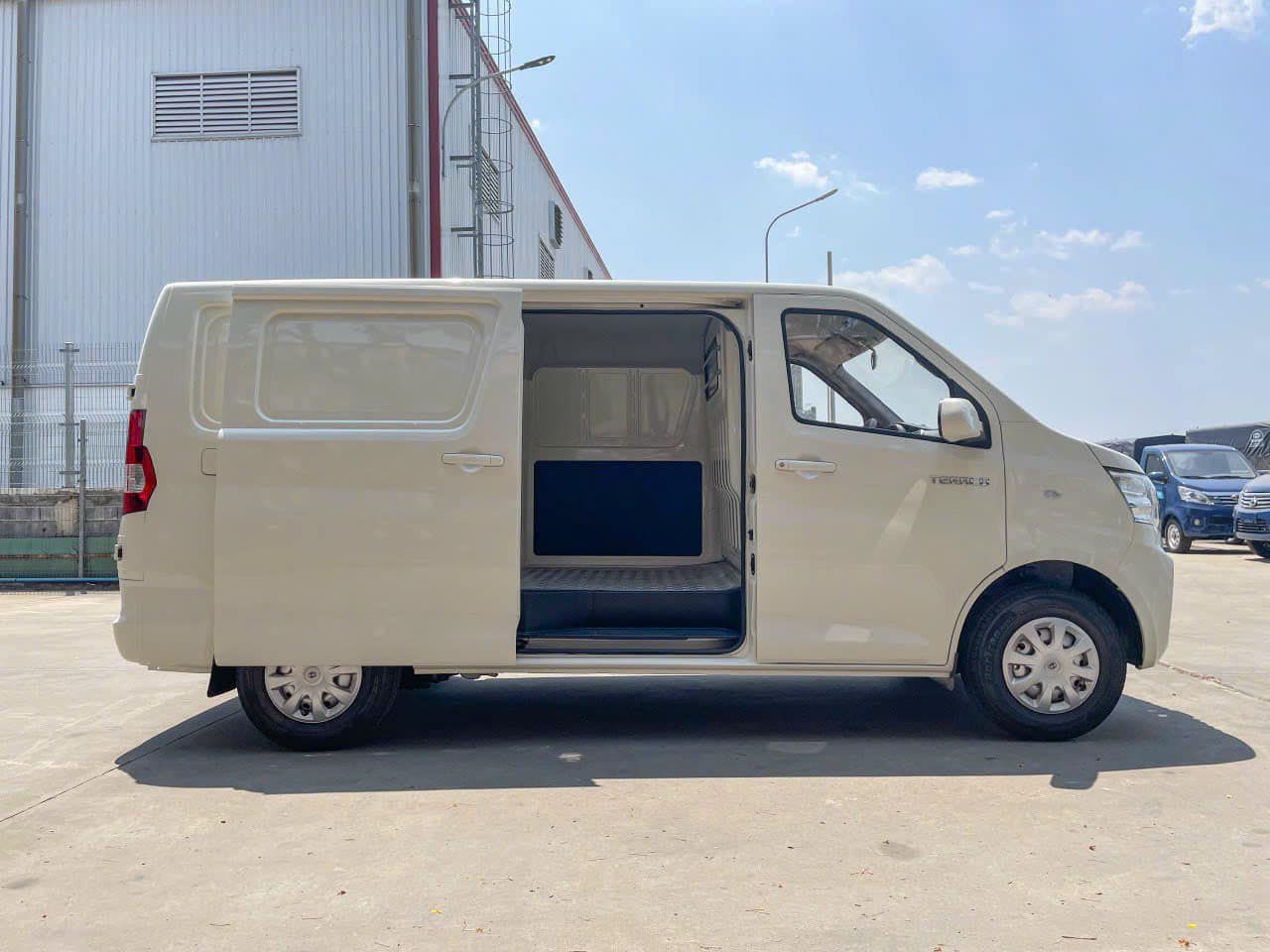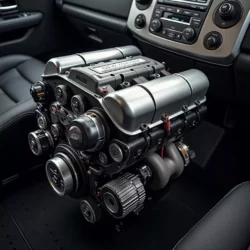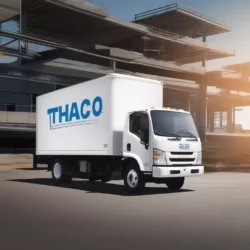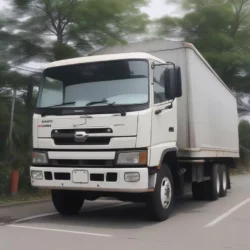
Mr. Ba, owner of a small grocery store on Hang Buom Street, Hanoi, still vividly remembers the day he brought home his first small truck. Though dwarfed by the massive container trucks that frequently passed by, it was a treasure to him. Watching the engine run, Mr. Ba saw a powerful and durable machine, promising to carry full loads and support his family. To him, the truck’s internal combustion engine was its heart, its soul, a faithful companion on every journey.
What is an Internal Combustion Engine (ICE)?
Introduction
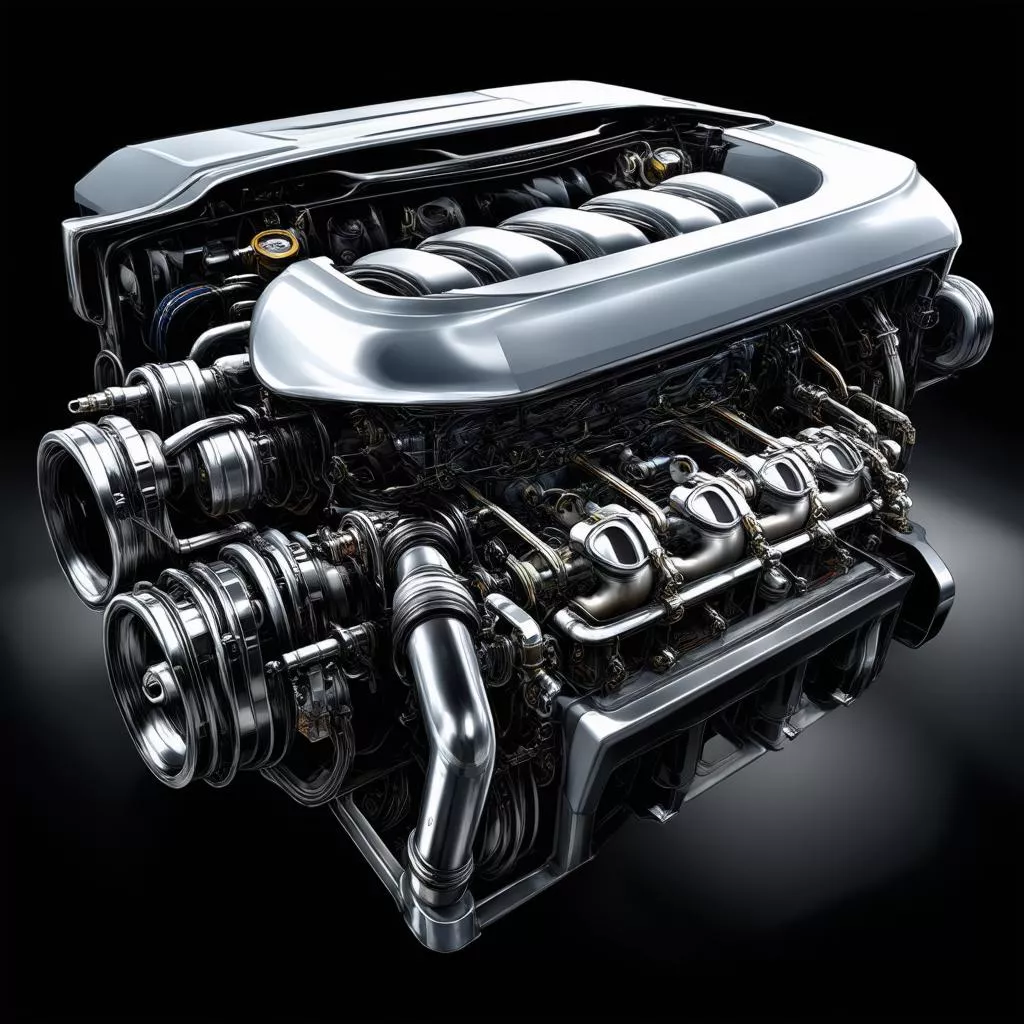
An internal combustion engine (ICE) is a heat engine that converts the chemical energy of fuel into mechanical energy through the process of combustion within the engine. This mechanical energy is used to create rotational motion for the wheels, propelling the vehicle forward.
Structure and Working Principles
Internal combustion engines have a complex structure, consisting of many components such as cylinders, pistons, crankshaft, intake valves, exhaust valves, spark plugs (gasoline engines), or fuel injectors (diesel engines). The basic operating principle is based on a four-stroke cycle: intake, compression, combustion (or power), and exhaust.
- Intake Stroke: The piston moves downward, creating low pressure in the cylinder, drawing in a mixture of fuel and air.
- Compression Stroke: The piston moves upward, compressing the fuel-air mixture in the cylinder.
- Combustion/Power Stroke: The spark plug ignites the mixture (gasoline engine), or the fuel self-ignites due to high pressure and temperature (diesel engine), creating an explosion that pushes the piston downward.
- Exhaust Stroke: The piston moves upward, pushing the exhaust gases out through the exhaust valve.
This cycle is repeated continuously, creating rotational motion for the crankshaft, which then transmits power to the wheels.
Classification
Internal combustion engines are classified based on various criteria, the most common being:
- By Fuel: Gasoline engines, diesel engines, gas engines…
- By Operating Cycle: 4-stroke engines, 2-stroke engines (less common).
- By Cylinder Arrangement: Inline engines, V engines, Boxer engines…
Internal Combustion Engine
Advantages and Disadvantages
Advantages:
- High Power and Torque: Compared to other types of engines, internal combustion engines provide greater power and torque, suitable for heavy cargo transportation and navigating challenging terrain.
- Simple Structure, Easy to Repair: Internal combustion engine systems have been researched and developed for a long time, with a relatively simple structure, making them easy to repair and replace parts.
- Lower Cost: Compared to electric vehicles, hybrid vehicles, etc., vehicles using internal combustion engines generally have a lower cost, suitable for the economic conditions of many people.
Disadvantages:
- Environmental Pollution: Exhaust emissions from internal combustion engines contain many harmful substances such as CO, NOx… causing environmental pollution and affecting human health.
- High Noise Levels: Internal combustion engines produce loud noise during operation, affecting the surrounding environment.
- Low Efficiency: Compared to electric motors, internal combustion engines have lower energy conversion efficiency and consume more fuel.
Popular Truck Prices at Hanoi Truck
| Brand | Model | Price (VNĐ) |
|---|---|---|
| Thaco | Thaco Towner 990 | Contact Us |
| Hyundai | Hyundai Porter H150 | Contact Us |
| Isuzu | Isuzu QKR77 | Contact Us |
| Hino | Hino XZU720 | Contact Us |
Note: The price list is for reference only, actual prices may vary depending on the time, dealer, and promotional programs. For more detailed information, please contact Hanoi Truck directly.
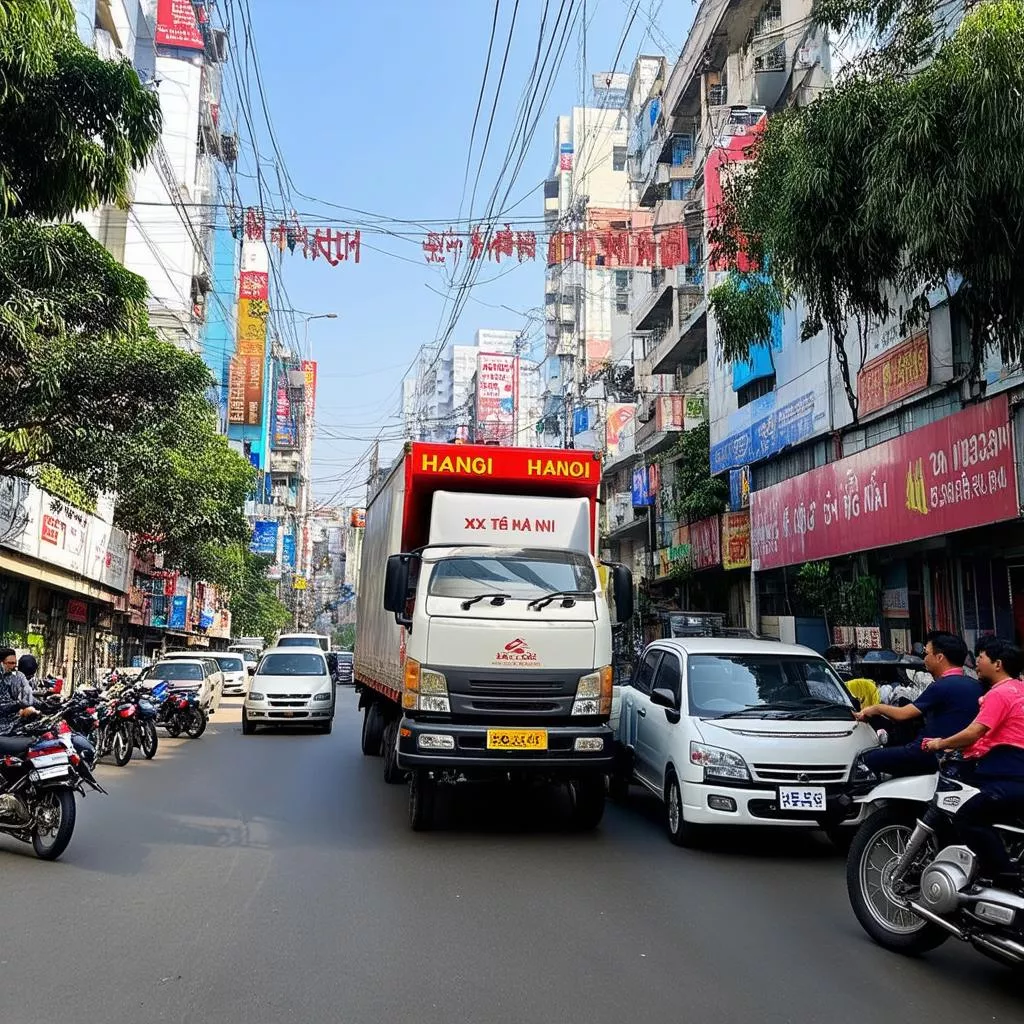 Hanoi Truck
Frequently Asked Questions about Internal Combustion Engines
What is the difference between gasoline and diesel engines?
Answer: Gasoline and diesel engines differ in many aspects, including the fuel used, the combustion method, efficiency, and pollution levels.
How to extend the lifespan of an internal combustion engine?
Answer: To extend the engine’s lifespan, you should pay attention to regular maintenance, timely oil changes, using quality fuel, safe driving, and avoiding overloading the vehicle.
What are the future development trends of internal combustion engines?
Answer: Despite facing many challenges related to environmental pollution, internal combustion engines are still being researched and developed towards fuel efficiency, emission reduction, and the use of clean fuels.
How to Buy a Truck at Hanoi Truck
To purchase a truck at Hanoi Truck, you can do the following:
- Call us: Contact us directly via our hotline for consultation and quotes.
- Visit our Showroom: Visit Hanoi Truck’s Showroom at [Showroom Address] to view vehicles and receive direct consultation.
- Visit our website: Visit our website [Website Address] to see our models, price lists, and promotional programs.
Hanoi Truck – Your trusted source for quality and reliable trucks in Hanoi and neighboring provinces such as Bac Ninh, Hung Yen, Vinh Phuc…
Related Products
In addition to trucks, Hanoi Truck also offers other products such as:
- Specialized vehicles
- Auto parts
Conclusion
The internal combustion engine is a crucial component, the “heart” of every vehicle. Understanding its structure, operating principles, advantages, and disadvantages helps you operate and maintain your vehicle more effectively. For advice and to choose the right truck for your needs, please contact Hanoi Truck – a reputable provider of quality trucks at competitive prices.