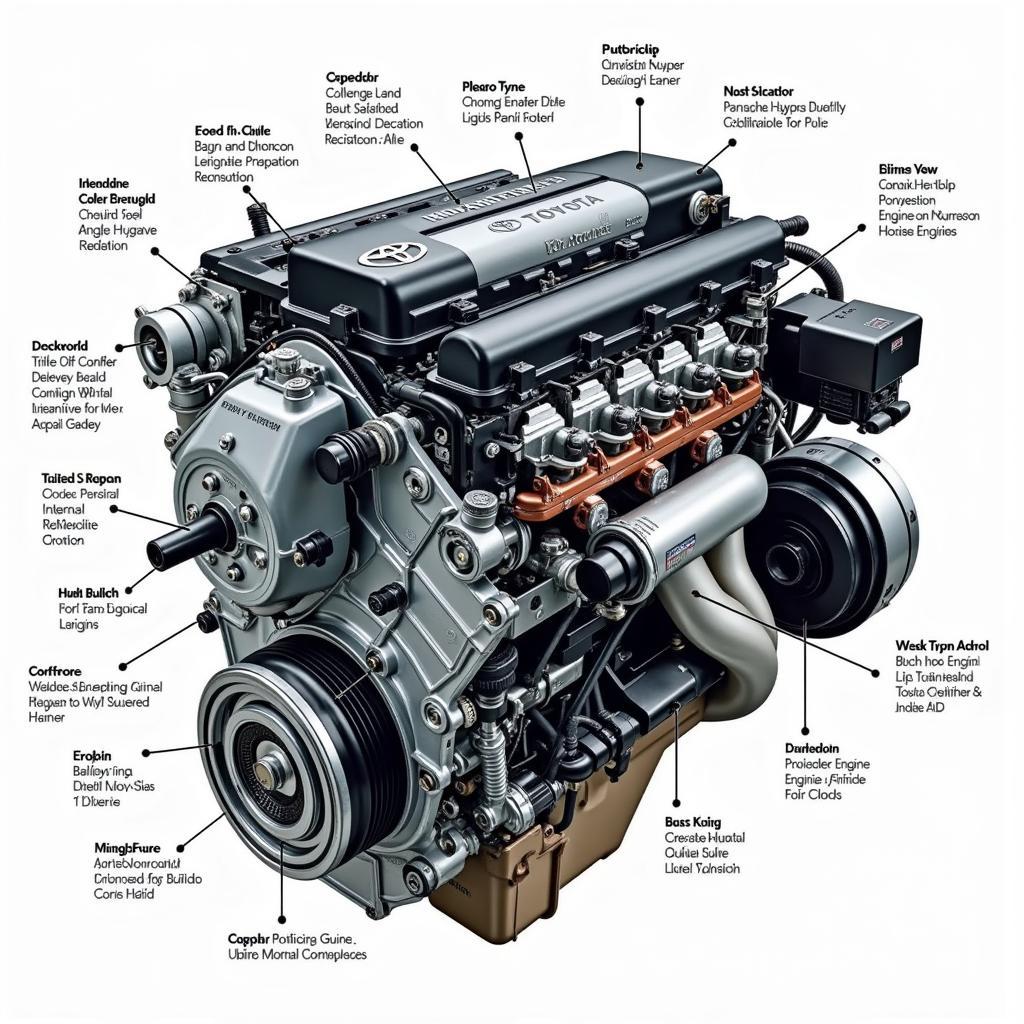
A car engine is the most crucial component, determining the vehicle’s performance and efficiency. Understanding how engines work allows for better selection, maintenance, and operation. This article provides comprehensive knowledge about car engines, from operating principles to common types.
Types of Car Engines
Car engines are classified based on various criteria, including fuel type, structure, number of cylinders, etc. Here are some common types:
Gasoline Engines
Gasoline engines operate on the principle of combusting a mixture of gasoline and air within the cylinders. This is the most prevalent engine type on the market, favored for its smooth operation, low maintenance costs, and affordability.
Diesel Engines
Diesel engines utilize diesel fuel and offer better fuel efficiency compared to gasoline engines. They are commonly used in trucks, buses, and some SUVs due to their high load capacity and torque.
Hybrid Engines
Hybrid engines combine an internal combustion engine (gasoline or diesel) with an electric motor. This type of engine helps save fuel and reduces emissions.
Toyota Hybrid Engine
Understanding your car’s engine type is crucial, just as understanding proper cornering techniques is.
How Car Engines Work
Car engines operate based on a four-stroke cycle: intake, compression, combustion, and exhaust. During the intake stroke, a mixture of fuel and air is drawn into the cylinder. In the compression stroke, the piston compresses this mixture. The combustion stroke involves the spark plug igniting the mixture, generating energy that pushes the piston down. Finally, the exhaust stroke expels the exhaust gases.
The Four-Stroke Cycle of a Gasoline Engine
Gasoline engines use spark plugs to ignite the fuel-air mixture. This process generates energy to push the piston and create rotational motion for the crankshaft.
The Four-Stroke Cycle of a Diesel Engine
Diesel engines do not use spark plugs. Instead, fuel is injected into the cylinder at high pressure and ignites spontaneously due to the high temperature of the compressed air.
Understanding engine operating principles can help you choose the right jump starter, especially if you’re interested in the Ravpower car jump starter.
Car Engine Maintenance
Regular maintenance is crucial for extending engine lifespan and ensuring optimal performance. Timely oil changes, oil filter replacements, air filter replacements, and spark plug replacements (for gasoline engines) are essential.
Regular Maintenance Schedule
Depending on the engine type and manufacturer’s recommendations, maintenance schedules may vary. However, regular engine checks and maintenance are essential.
Common Car Engine Problems
Some common car engine problems include:
- Difficulty starting
- Unusual noises
- Loss of power
- Poor fuel economy
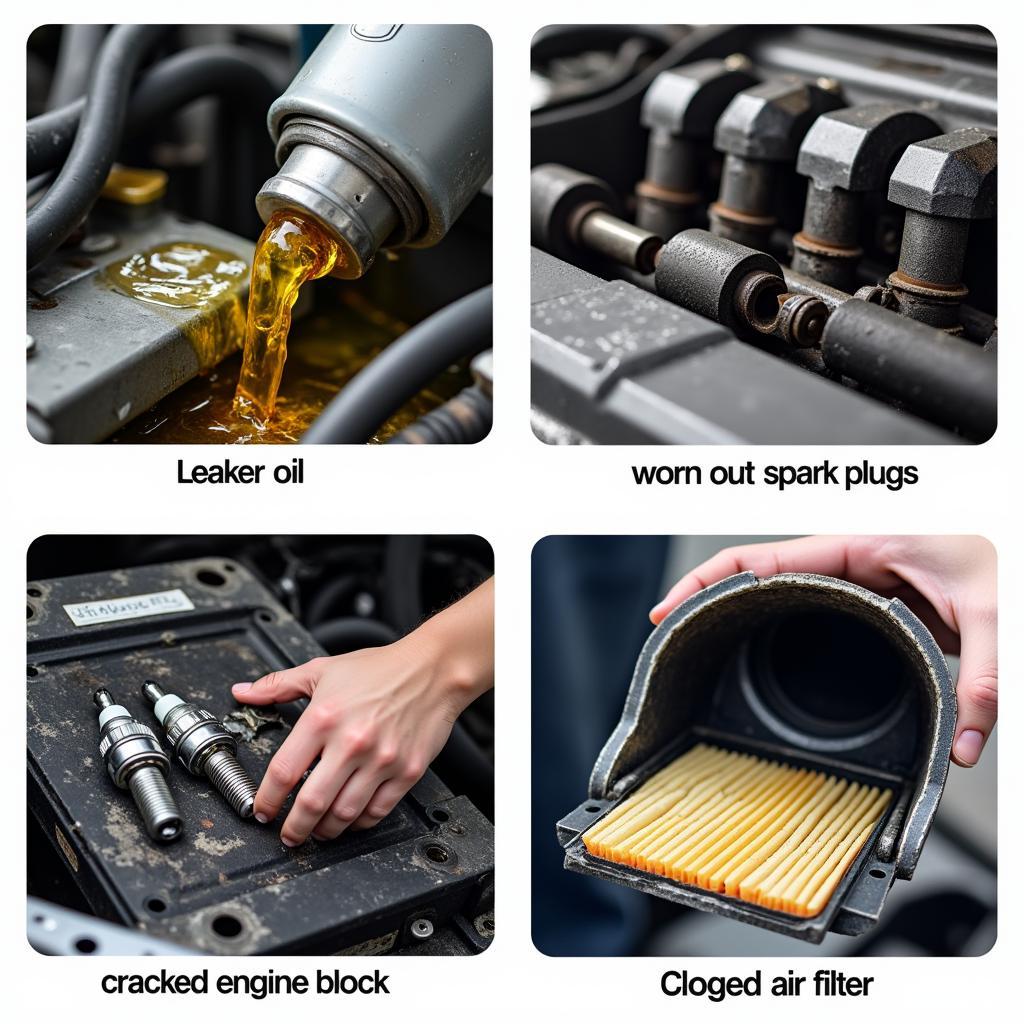 Common Car Engine Problems
If you encounter these issues, take your car to a reputable garage for inspection and repair. You can refer to our car price quotes for cost estimates. Or, if you need a car jump starter, consider Anker car jump starter products.
Conclusion
The car engine is the heart of the vehicle, determining its performance and operability. Understanding engines allows for informed choices regarding selection, maintenance, and operation. We hope this article has provided valuable insights into car engines.
FAQ
- What is the difference between gasoline and diesel engines?
- How often should I change the engine oil?
- How can I detect engine problems?
- What factors affect engine lifespan?
- Which engine type is suitable for my needs?
- What are the advantages and disadvantages of hybrid engines?
- How can I maintain my car engine effectively?
Frequently Asked Questions
Customers often ask about the differences between engine types, maintenance, repairs, and common problems.
Suggested Questions and Related Articles
You can learn more about car jump starters, cornering techniques, and car price quotes on our website.









