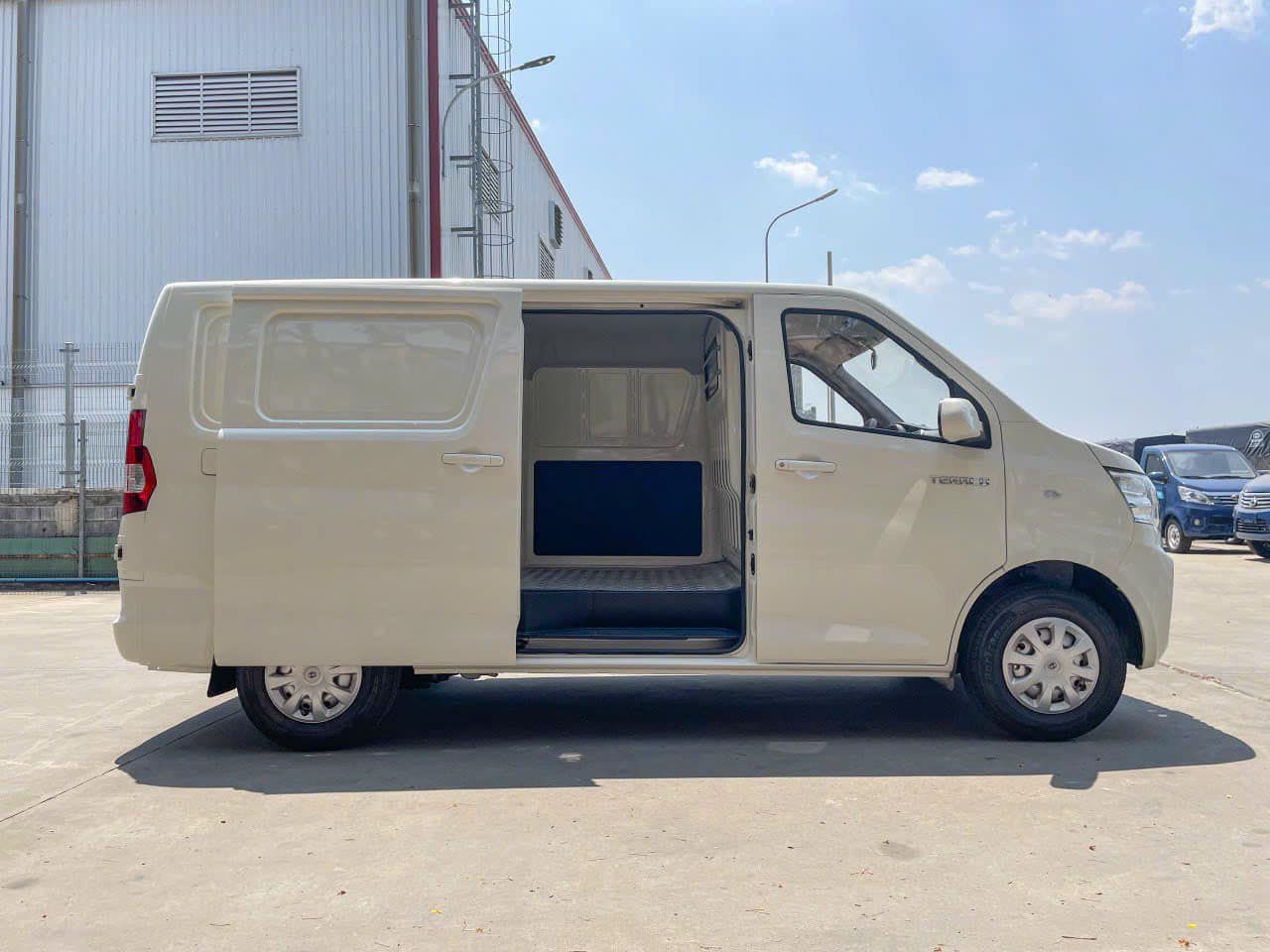
“A car runs smoothly like a well-trained steed,” this saying hints at the magic behind a vehicle’s control system. From seemingly simple actions like steering, accelerating, and braking, to controlling auxiliary functions, everything is managed by this intelligent system.
The Importance of Understanding Car Control Systems:
A car’s control system is complex, comprising numerous components, each playing a crucial role in safe and efficient operation. Understanding this system allows you to:
- Drive Safely and Efficiently: Mastering how the control system works enables precise maneuvers, quick reactions to unexpected situations, and avoidance of dangerous mistakes.
- Maintain Your Vehicle Effectively: Knowledge of the system facilitates effective DIY checks and maintenance, extending your car’s lifespan and saving on repair costs.
- Choose the Right Car: Understanding control systems across different models helps you select a vehicle that meets your needs and budget.
Decoding the System:
A car’s control system consists of three main parts:
1. Steering System:
The steering system dictates the car’s direction. Key components include:
- Steering Wheel: The primary control for directing the vehicle. Steering wheels can be traditional mechanical, power-assisted (electric or hydraulic).
- Steering Column: Connects the steering wheel to the steering mechanism.
- Steering Gearbox: Translates the steering wheel’s rotational motion into the turning movement of the front wheels.
- Steering Linkage: Transfers power from the steering gearbox to the wheels.
- Steering Knuckles: Connect to the axle and allow the wheels to turn.
2. Powertrain System:
The powertrain converts engine power into the force that moves the vehicle. This system includes:
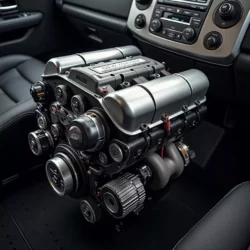
- Engine: The heart of the car, generating the power for movement.
- Clutch: Connects and disconnects the engine from the transmission.
- Transmission: Changes the engine’s speed and torque.
- Driveshaft: Transfers power from the transmission to the axle(s).
- Axle: Converts rotational force into forward motion.
3. Braking System:
The braking system is crucial for safe deceleration and stopping. Components include:
- Brake Pedal: The driver-controlled lever activating the braking system.
- Hydraulic System: Amplifies the force applied to the brake pads.
- Brake Pads: Create friction against the rotors or drums to slow the wheels.
- Brake Rotors or Drums: Located on the wheels, these provide the friction surface for the brake pads.
Common Issues:
Scenario 1: Heavy or difficult steering: Possible causes include low power steering fluid or damage to the steering system.
Scenario 2: Engine stalling or failure to start: Potential issues include faults in the ignition system, fuel system, or engine damage.
Scenario 3: Weak or ineffective brakes: Possible causes are worn brake pads, low brake fluid, or damage to the braking system.
Troubleshooting:
- Heavy Steering: Check the power steering fluid and top it off if necessary. If the problem persists, have the steering system inspected by a mechanic.
- Engine Stalling: Check electrical connections, fuses, fuel system, and battery. If the issue remains unresolved, call for roadside assistance.
- Weak Brakes: Inspect brake pads, brake fluid levels, and the overall braking system. Replace or repair any damaged components.
Related Questions:
- How does a car’s steering system work?
- How does a car’s braking system work?
- What are the common types of car engines?
- How to maintain a car’s control system?
- Which car control system is right for me?
Related Products:
- Passenger Cars
- Trucks
- Motorcycles
- Electric Vehicles
Further Inquiry:
- Tips for safe driving?
- Which car is suitable for my family?
- Secrets of safe driving?
Call to Action:
For more information on car control systems or if you need advice on purchasing a truck, contact XE TẢI HÀ NỘI or call our Hotline: 0968 239 999. We’re available 24/7 to assist you.
Conclusion:
A car’s control system is complex but vital for safe and efficient driving. Understanding this system empowers you to drive confidently, proactively, and handle various situations. Regular maintenance ensures optimal performance, guaranteeing safety on every journey!
Car Control System Diagram