The old saying, “Sell the buffalo, buy a plow, send your child to driving school, so they won’t struggle tomorrow,” is outdated. Now, instead of dreaming of an imported “iron plow,” Vietnamese people are looking towards high-quality, affordable cars “made in Vietnam.” So, how far has Vietnam’s automotive production capability come? What challenges lie ahead? Let’s explore with xetaihanoi.edu.vn!
The Significance of “Vietnam’s Automotive Production Capability”
More Than Just an Industry
Automotive production capability is not only a measure of the supporting industry’s development but also reflects Vietnam’s economic potential, scientific and technological level, and international standing. It contributes to job creation, increased income for workers, and promotes the development of related industries such as steel, plastic, and electronics production.
National Pride
Owning a car “made in Vietnam” is not just a dream of a modern means of transportation but also a source of national pride. It is a testament to the efforts and determination to affirm Vietnam’s position on the world automotive manufacturing map.
Vietnam's Automotive Industry
Answering: Vietnam’s Current Automotive Production Capacity
From Assembly to Manufacturing
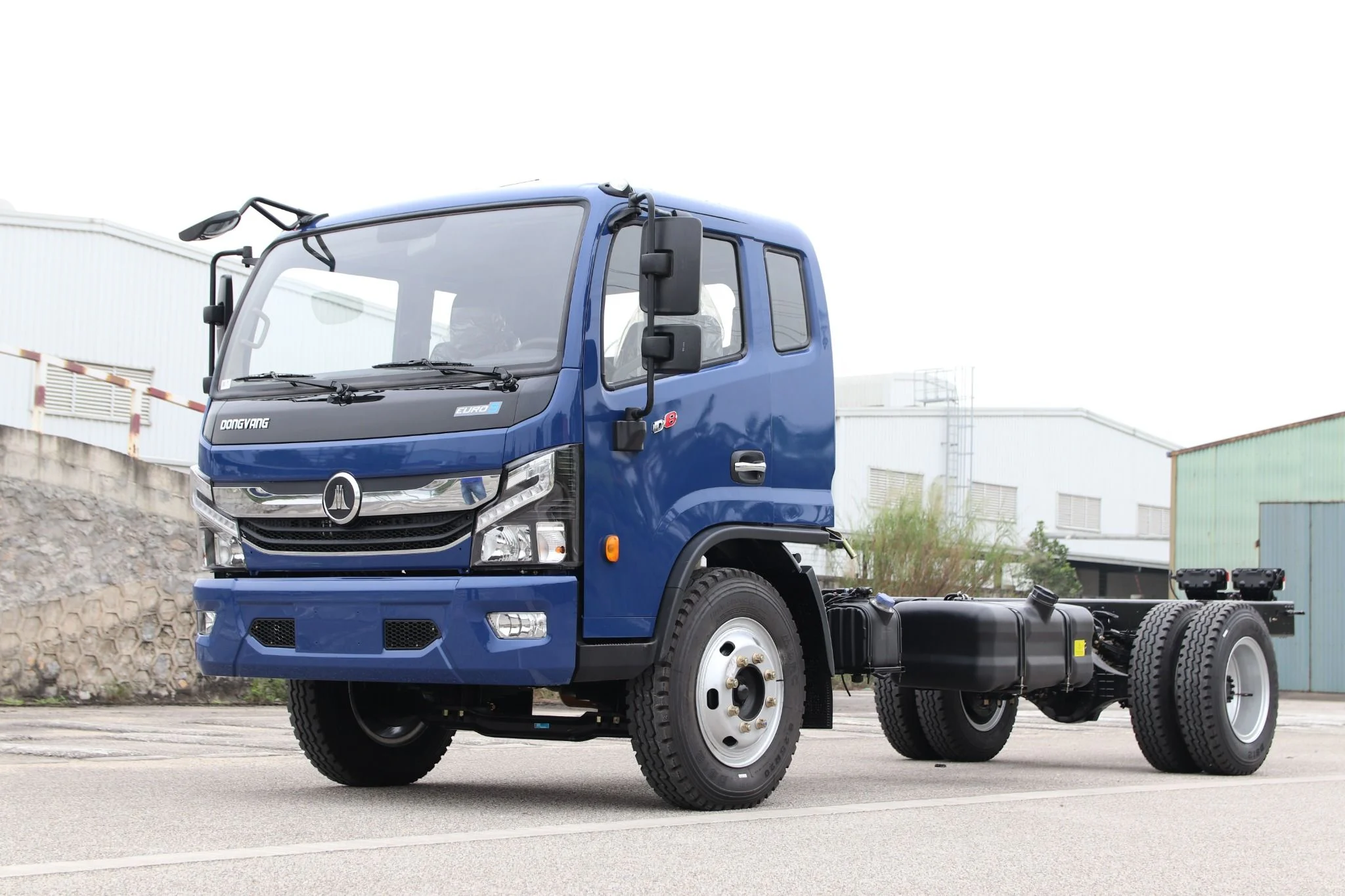
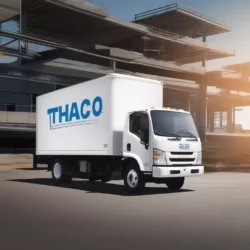
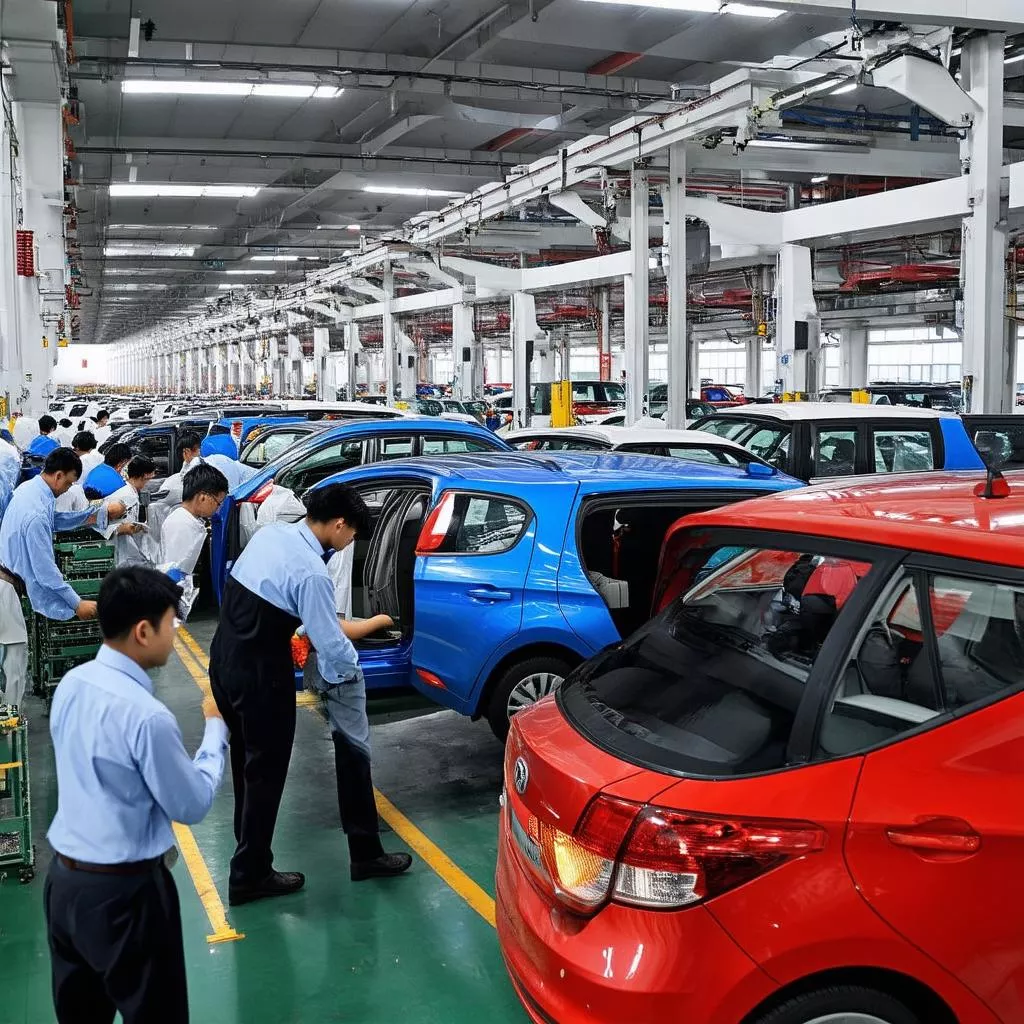
Through various stages of development, Vietnam’s automotive industry has made significant strides. From simple assembly, we have gradually become more proactive in manufacturing components and parts. “Made in Vietnam” car brands like VinFast and Thaco Trường Hải have affirmed their position in the domestic market and are gradually reaching out to the world.
Telling Numbers
According to data from the Vietnam Automobile Manufacturers’ Association (VAMA), the output of domestically produced and assembled automobiles in 2022 reached over 500,000 vehicles, a significant increase compared to previous years.
However, the localization rate remains low, only around 25-30%. This shows that Vietnam’s automotive industry still heavily relies on imported components, posing a major challenge to enhancing competitiveness.
Challenges and Opportunities for Vietnam’s Automotive Industry
Challenges: Still Significant
- Underdeveloped supporting industry: The lack of a domestic supply of high-quality, competitively priced components and parts forces businesses to import at high costs.
- Shortage of high-quality human resources: The automotive industry requires highly skilled personnel with expertise and proficiency. However, Vietnam has yet to meet this demand.
- Fierce competition from foreign brands: The Vietnamese automobile market is vibrant with the presence of many global giants. This creates significant competitive pressure for domestic enterprises.
Opportunities: Wide Open
- Potential consumer market: Vietnam is a populous country with stable economic growth and increasing demand for automobiles, creating a potential consumer market for domestic businesses.
- Government support policies: Recognizing the importance of the automotive industry, the government has issued many preferential policies to encourage businesses to invest and develop production.
- Global production shift trend: Vietnam is becoming an attractive destination for multinational corporations seeking manufacturing locations, opening up opportunities to attract investment and modern technology for the automotive industry.
Frequently Asked Questions
1. When can Vietnam produce 100% domestically made cars?
This is a question of great interest. Although a specific timeframe cannot be provided, with the determination of the government, the efforts of businesses, and the collective contribution of the community, the dream of a 100% “made in Vietnam” car is not far off.
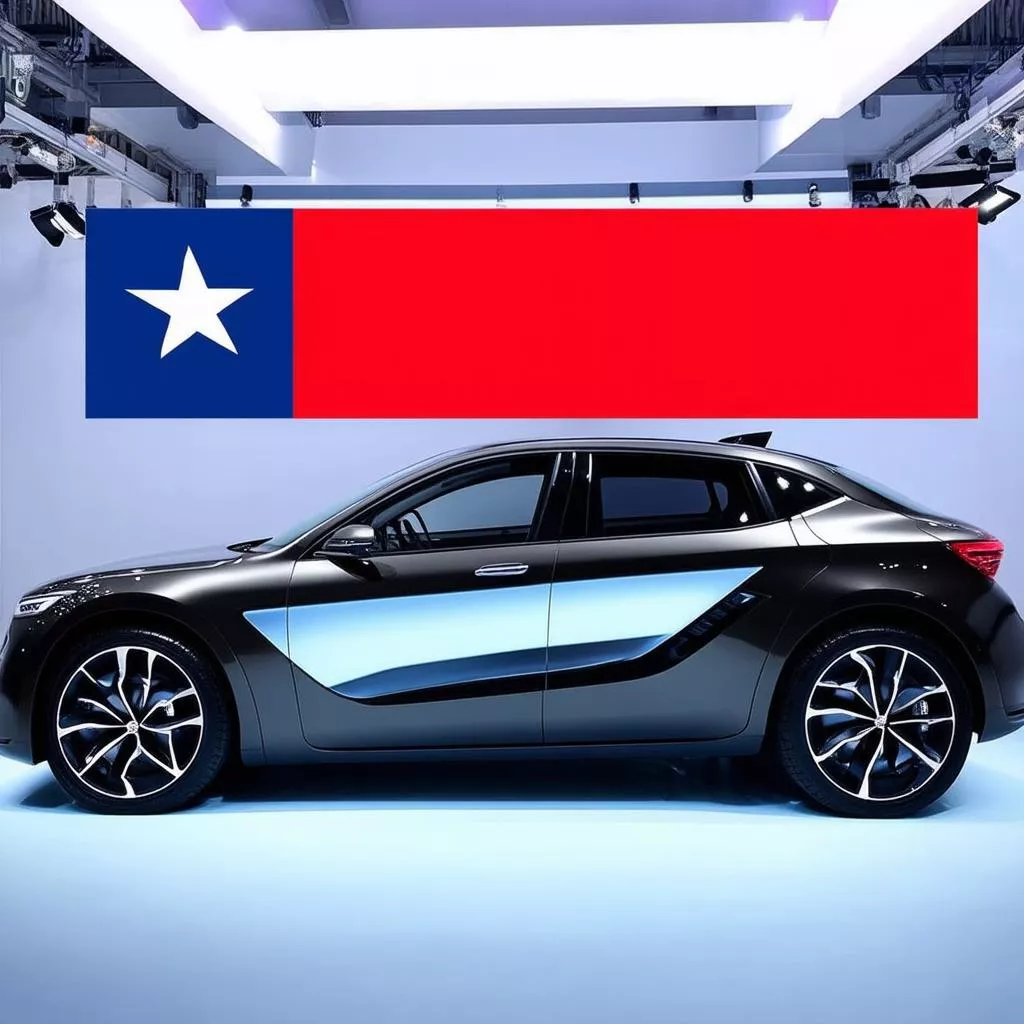 Vietnamese Electric Car
2. How to increase the localization rate in the automotive industry?
Increasing the localization rate is key to the sustainable development of Vietnam’s automotive industry. To achieve this, it is necessary to focus on solutions such as:
- Supporting supporting industry enterprises: Creating favorable conditions in terms of capital, land, taxes, etc., to help supporting industry enterprises develop, enhance competitiveness, and supply high-quality, reasonably priced components and parts.
- Training high-quality human resources: Promoting cooperation between schools and businesses to train highly skilled personnel who meet the needs of the automotive industry.
- Attracting foreign investment: Calling for and attracting multinational corporations to invest in the field of component and part manufacturing in Vietnam.
Conclusion
Vietnam’s automotive production capability is on a strong development trajectory, opening up many opportunities and challenges. With the efforts of the government, businesses, and people, the Vietnamese automotive industry will achieve even greater success, bringing the “made in Vietnam” car brand to the world stage.
Do you have any other questions about Vietnam’s automotive production capabilities? Don’t hesitate to leave a comment or contact xetaihanoi.edu.vn for answers!
Are you looking for a quality truck? Contact XE TẢI HÀ NỘI Dealership immediately or call Hotline: 0968 239 999 for the best advice and support!
In addition, you can learn more about related topics:
xetaihanoi.edu.vn always accompanies you on every journey!