“Every culture has its superstitions,” and this holds true when choosing a vehicle, especially a bus for commercial passenger transport in Hanoi. Understanding bus dimensions is crucial, impacting maneuverability, fuel efficiency, and even perceived luck. Let’s explore the key dimensions to consider when choosing the right bus for your business.
What Are Bus Dimensions and Why Do They Matter?
Bus dimensions are critical specifications defined by three measurements: length, width, and height. These dimensions vary depending on seating capacity, design, and intended use.
Why are bus dimensions important?
- Maneuverability: Dimensions directly affect a bus’s ability to navigate various roads. Larger buses struggle in narrow streets, especially in urban areas.
- Passenger Capacity: Dimensions determine seating capacity and interior space.
- Fuel Consumption: Larger buses generally consume more fuel than smaller ones.
- Cultural Beliefs: Some believe vehicle dimensions should align with the owner’s birth year and zodiac sign for good fortune.
Bus Dimensions Classification
Bus Dimension Classifications
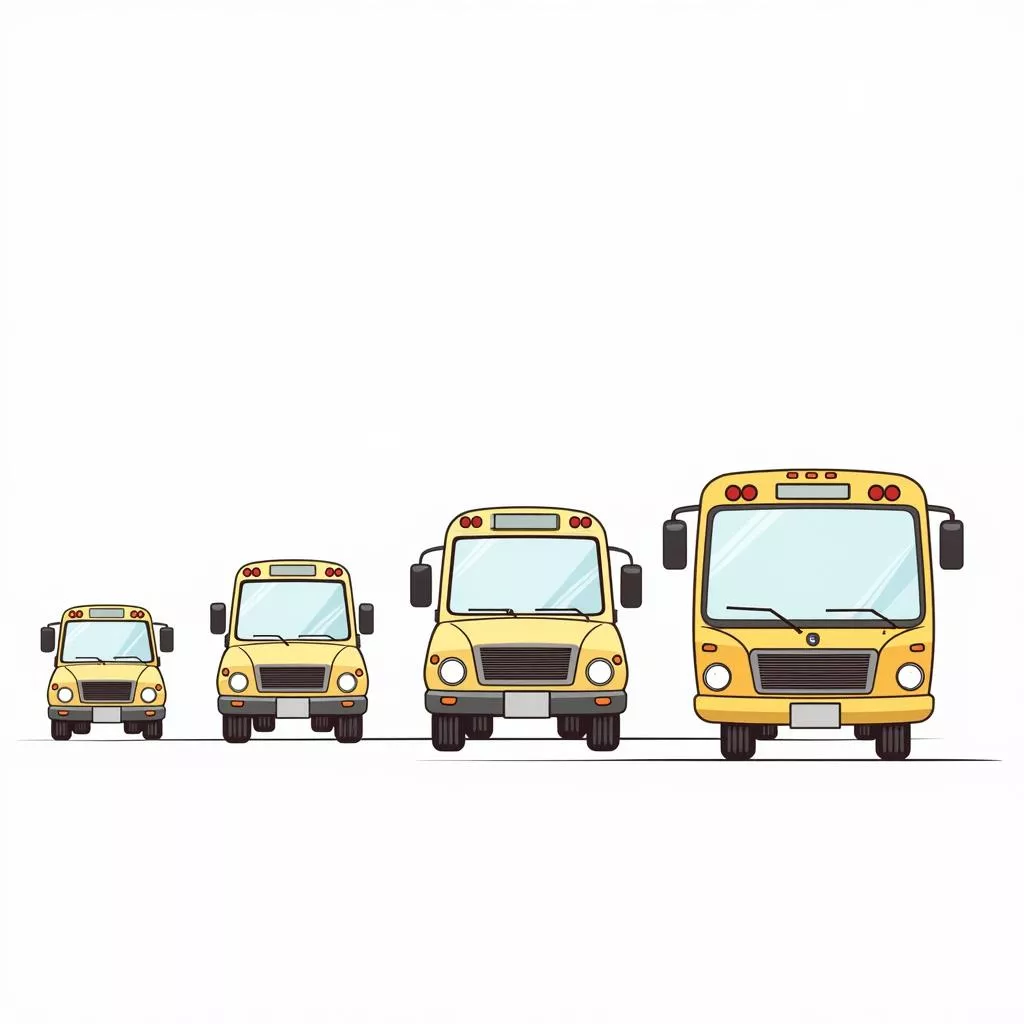
Buses are categorized into several types based on their size:
1. Small Buses (Under 7 Seats)
Compact and ideal for navigating narrow city streets.
Advantages: Easy maneuverability, fuel efficiency. Disadvantages: Limited seating capacity.
2. Medium Buses (16-30 Seats)
The most common type, widely used for employee and student transportation.
Advantages: Versatile seating capacity, suitable for various needs. Disadvantages: Can be challenging to maneuver during peak hours.
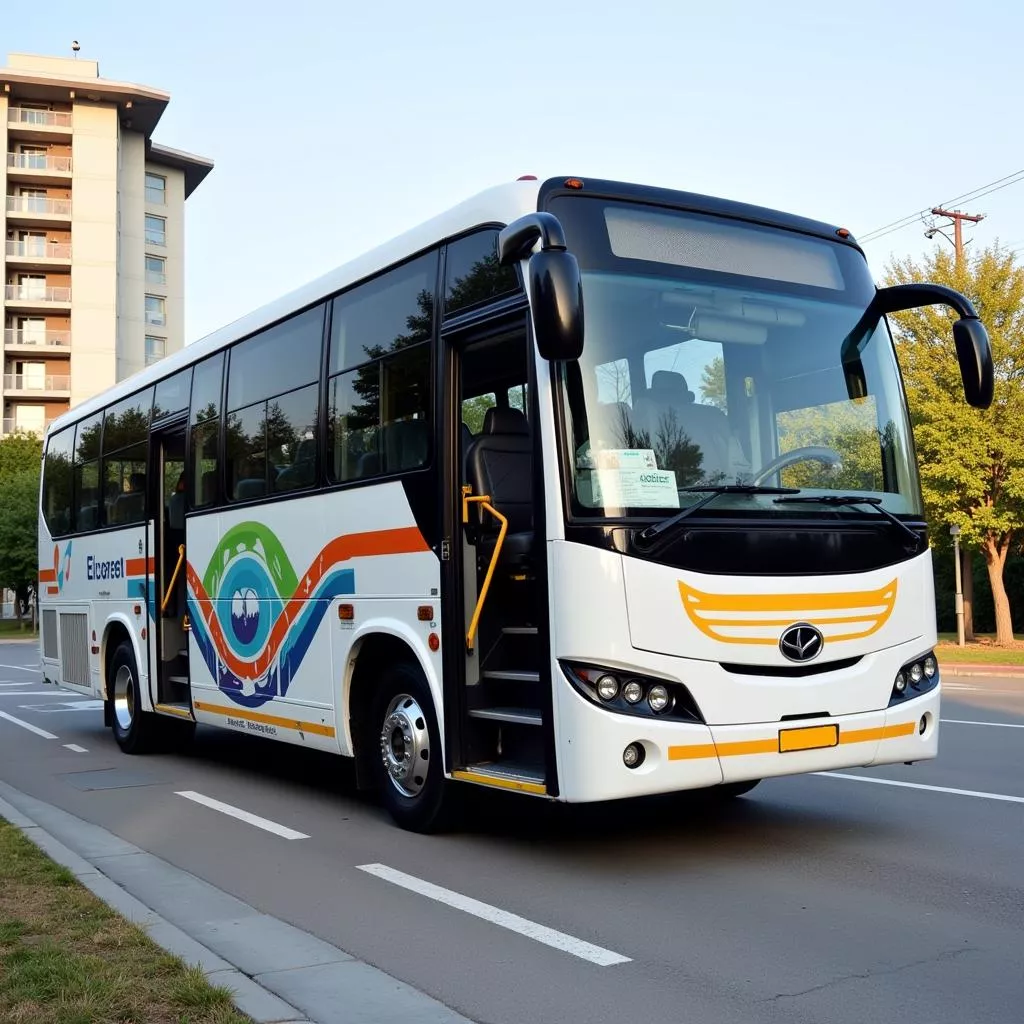 Medium-Sized Bus (16-30 Seats)
3. Large Buses (45-60 Seats)
These large buses are typically used for long-distance travel.
Advantages: Spacious, comfortable, and equipped with amenities. Disadvantages: High fuel consumption, difficult to maneuver in urban areas.
Price Guide for Popular Bus Models
| Bus Model | Seating Capacity | Dimensions (L x W x H) (mm) | Estimated Price (VNĐ) |
|---|---|---|---|
| Toyota Hiace | 16 | 5380 x 1880 x 2285 | 1.100.000.000 |
| Hyundai Solati | 16 | 6095 x 2038 x 2755 | 1.200.000.000 |
| Thaco Town | 29 | 7080 x 2060 x 2660 | 1.500.000.000 |
| Universe Express Noble | 47 | 12040 x 2495 x 3490 | 3.500.000.000 |
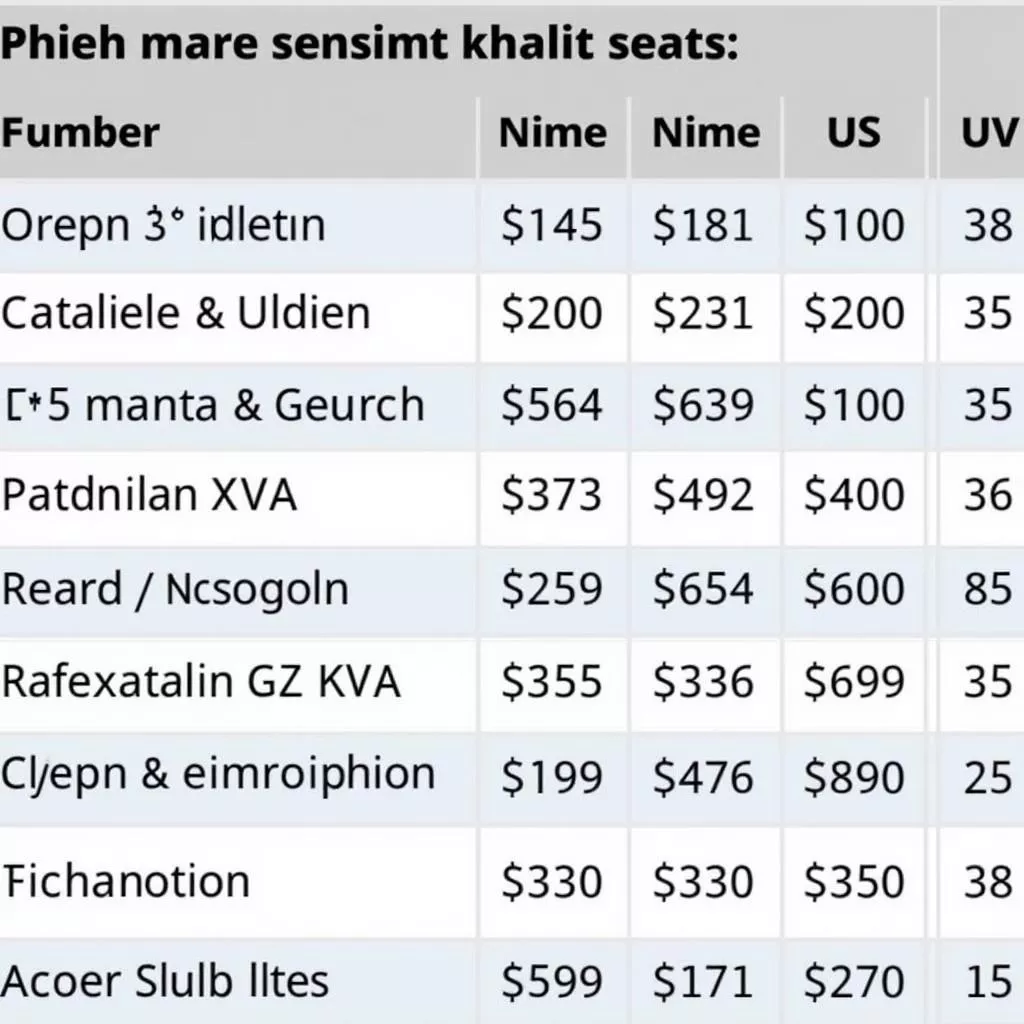 Bus Price Comparison Chart
Note: Prices are for reference only and may vary depending on the time of purchase and dealership.









