Are you interested in learning about cars but feeling overwhelmed by the sheer amount of information and technical jargon? Don’t worry! This article will guide you through the fundamentals of automobiles, from their structure and operation to common car types. Let’s explore the fascinating world of cars together!
Understanding the Question: “Basic Car Knowledge”
The question “Basic car knowledge” is a common one, especially for those just starting to learn about automobiles. It reflects a curiosity and desire to acquire the necessary knowledge to better understand their vehicles.
Answer: Basic Car Knowledge
To understand cars, we need to grasp the following fundamental concepts:
1. Car Structure
A car comprises various components, each with a specific role, working together to form a complete system.
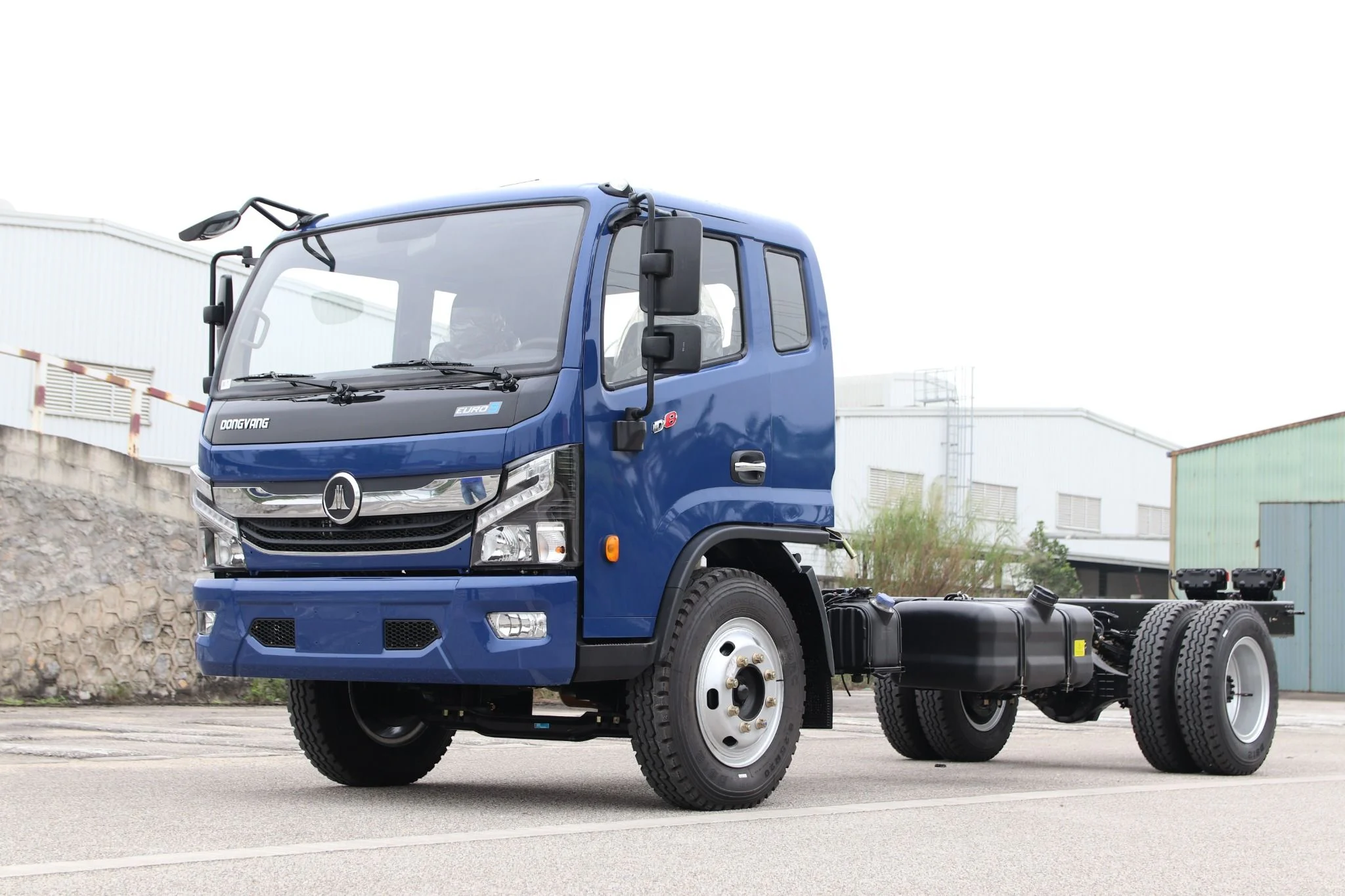
a. Chassis: The chassis is the car’s main load-bearing structure, connecting all other parts and ensuring rigidity.
b. Engine: The engine is the heart of the car, providing the power for movement. Common engine types include gasoline and diesel engines.
c. Transmission System: This system converts engine power into driving force to move the car.
d. Steering System: This system allows the driver to control the car’s direction.
e. Braking System: This system slows down and stops the car.
f. Suspension System: This system absorbs impacts from the road, ensuring a smooth ride.
g. Electrical System: This system powers the car’s electrical components, such as headlights, taillights, indicators, radio, and air conditioning.
h. Safety System: This system protects the driver and passengers in case of accidents, including airbags, seat belts, Anti-lock Braking System (ABS), and Electronic Stability Program (ESP).
For a clearer picture of a car’s structure, see the illustration below:
2. Car Operation
a. Starting: When you turn the key or press the start button, electricity flows to the engine, starting it.
b. Acceleration: Pressing the gas pedal increases engine power, accelerating the car.
c. Movement: The transmission system converts engine power into driving force, moving the car.
d. Braking: Pressing the brake pedal activates the braking system, slowing down or stopping the car.
e. Steering: Turning the steering wheel controls the wheels’ direction, changing the car’s course.
To better understand how a car engine works, see the illustration below:
3. Common Car Types
There are various car types, each with its own advantages and disadvantages.
a. Sedan/Car: Sedans are the most common type, typically designed for 4-7 people.
b. Truck: Trucks are used for hauling cargo, with a higher payload capacity than cars.
c. SUV: SUVs are high-riding vehicles with good off-road capabilities, suitable for challenging terrains.
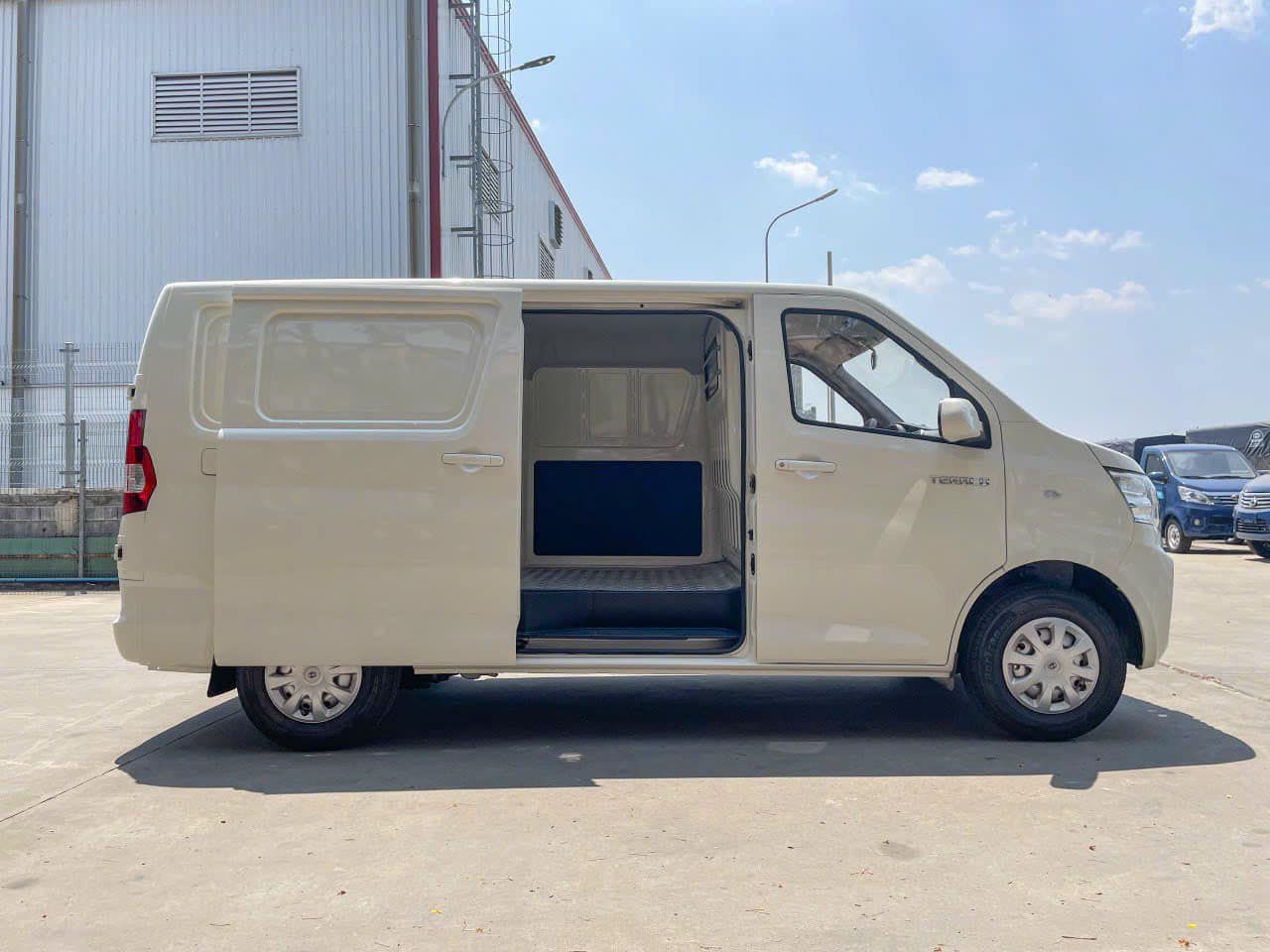
d. Van: Vans have spacious cargo areas, often used for transporting goods or passengers.
e. Bus: Buses are public transportation vehicles with large passenger capacities.
f. Crane Truck: Crane trucks are equipped with cranes for lifting and lowering heavy objects.
For an overview of common car types, refer to the illustration below:
4. Tips for Choosing a Car
Consider these factors when choosing a car that suits your needs:
a. Purpose: Will you use the car for daily commutes, travel, or cargo transportation?
b. Budget: How much can you afford to spend on a new car?
c. Car Type: Do you prefer a sedan, SUV, or truck?
d. Features: What features do you want, such as safety systems, entertainment systems, or fuel-saving technologies?
5. Important Notes When Using a Car
a. Regular Maintenance: Regular maintenance is crucial for ensuring smooth operation and preventing serious damage.
b. Obey Traffic Laws: Always obey traffic laws to ensure your safety and the safety of others.
c. Safe Driving Practices: Practice safe driving habits, avoid using your phone while driving, and never drink and drive.
d. Fuel Efficiency: Drive smoothly, avoid sudden acceleration, and turn off the engine when idling to save fuel.
6. Frequently Asked Questions
a. Should I buy a new or used car?
It depends on your needs and budget. New cars are more expensive but come with warranties, while used cars are cheaper but may have potential issues.
b. Which engine type should I choose?
It depends on your usage. Gasoline engines are generally cheaper and smoother but consume more fuel than diesel engines. Diesel engines are more expensive and powerful but noisier.
c. Should I choose an automatic or manual transmission?
Automatic transmissions are easier to drive but less fuel-efficient than manual transmissions. Manual transmissions offer better control but require more driving skill.
d. Which car brand should I choose?
It depends on your preferences and needs. Each brand has its own strengths and weaknesses.
e. How do I maintain my car properly?
Consult the owner’s manual or contact a dealership for detailed maintenance instructions.
7. Interesting Story
The story of the first car is a testament to human ingenuity and perseverance. In 1886, Karl Benz successfully built the first gasoline-powered car, marking a historical turning point in the automotive industry. This invention ushered in a new era, bringing humanity closer to the dream of free and convenient transportation.
8. Suggested Further Reading
9. Call to Action
If you have any questions about cars, don’t hesitate to contact us. XE TẢI HÀ NỘI is always ready to assist you 24/7. Hotline: 0968 239 999.
Conclusion
Car knowledge is essential for safe and efficient vehicle operation. We hope this article has provided you with a foundational understanding of cars, boosting your confidence behind the wheel. Stay tuned to our website for more informative articles about automobiles.
Share this article with your friends and family if you found it helpful!