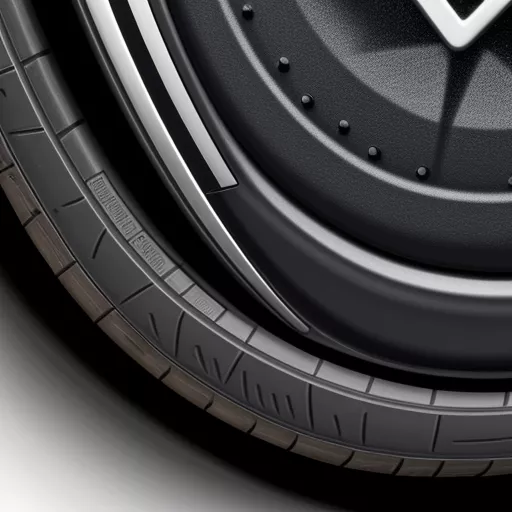
Mr. Ba, a meticulous grocery store owner on Hang Buom Street, was driving his Hyundai H100 truck, purchased from a trusted dealership in Cau Giay, loaded with goods from Long Bien wholesale market. Just after crossing Chuong Duong bridge, a tire suddenly went flat. Mr. Ba struggled to find the cause until a kind motorbike taxi driver pointed to the faded numbers on the tire sidewall, shaking his head: “Your tire pressure is too low!”. Mr. Ba realized he had overlooked a crucial detail.
Don’t wait for a flat tire to learn about tire pressure. This article will decode truck tire pressure markings, ensuring safer and more confident driving.
What are Truck Tire Pressure Markings?
Tire pressure markings, imprinted on the tire sidewall, indicate the maximum cold inflation pressure a tire can safely withstand. This information is crucial for tire performance, longevity, and most importantly, your safety.
Decoding Tire Pressure Markings
For example, a tire might display “108/106R 175/75R16C 101/99H”. What do these numbers and letters mean?
- 108/106: Represents the tire’s maximum load capacity index. Each index corresponds to a specific weight limit (refer to a load index chart). For example, 108 equals 2160 lbs (1000kg), and 106 equals 2116 lbs (950kg).
- R: Indicates radial tire construction – the most common type today.
- 175/75R16: Specifies tire size:
- 175: Tire width in millimeters.
- 75: Aspect ratio – the ratio of tire height to width (%).
- R: Radial tire construction.
- 16: Rim diameter in inches.
- C: Denotes a light truck tire.
- 101/99H: Indicates the tire’s speed rating. For example, H corresponds to 130 mph (210km/h) (refer to a speed rating chart).
Note: Maximum tire pressure is usually indicated in PSI or kPa.
Truck Tire Price List (Reference)
| Tire Type | Size | Max Pressure (PSI) | Price (VNĐ) |
|---|---|---|---|
| Bridgestone | 7.00R16 | 116 | 3,500,000 |
| Michelin | 7.50R16 | 128 | 4,200,000 |
| Goodyear | 8.25R16 | 132 | 4,800,000 |
Note: Prices are for reference only and may vary based on time, dealer, and promotions.
Benefits of Proper Tire Inflation
- Enhanced Safety: Properly inflated tires improve grip, braking, and handling, especially when cornering or driving on slippery roads.
- Fuel Efficiency: Correct tire pressure reduces rolling resistance, leading to significant fuel savings.
- Increased Tire Lifespan: Proper inflation ensures even load distribution, minimizing wear and tear and extending tire life.
Frequently Asked Questions About Truck Tire Pressure
Where to Inflate Truck Tires?
You can inflate tires at gas stations, auto repair shops, or reputable tire repair shops along major roads like Nguyen Van Linh, Pham Hung…
How Often Should You Check Truck Tire Pressure?
Check tire pressure regularly, at least every two weeks or before long trips.
Should You Use Nitrogen for Truck Tires?
Nitrogen inflation can help keep tires cooler, reduce friction, and maintain more stable pressure. However, nitrogen inflation typically costs more than regular air.
Important Notes on Inflating Truck Tires
- Avoid overinflating or underinflating tires.
- Use a tire pressure gauge for accurate measurements.
- Check valve stems and caps for damage.
- Consider the vehicle’s load when inflating tires.
Where to Buy Reliable Truck Tires in Hanoi?
XE TẢI HÀ NỘI website is a trusted source for information on trucks, genuine parts, and professional truck repair and maintenance services.
Further Reading
Explore more articles on:
Tire pressure markings
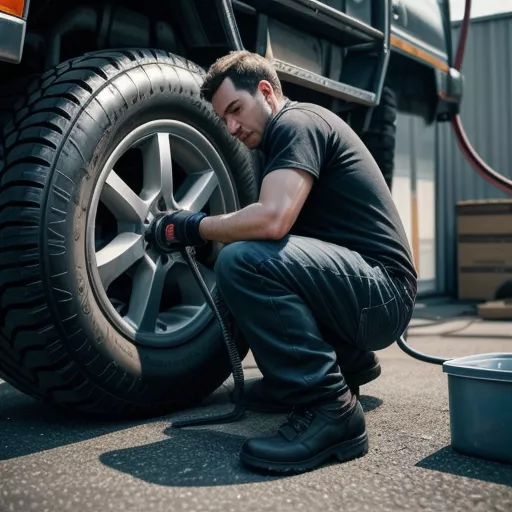 Truck tire inflation
We hope this article provides valuable information. Share it with friends and family to promote safe driving practices.









