Once upon a time, in a peaceful village, lived a simple farmer named Hai Lua, renowned for his bountiful rice harvests. One year, after a particularly successful harvest, he found himself with an overflowing granary. Overjoyed, he decided to brew delicious rice wine from his abundant supply.
However, a question plagued him: “How can I ferment a ton of starch containing 5% impurities to achieve the highest possible yield?” This conundrum kept Hai Lua pondering day and night. Was there a way to remove the impurities, enhance fermentation efficiency, and create batches of fragrant rice wine, rich in traditional flavor?
Hai Lua’s dilemma resonates with many who embark on starch fermentation. Let’s delve into this process with xetaihanoi.edu.vn and address your questions!
Deconstructing “Fermenting a Ton of Starch with 5% Impurities”
This seemingly simple question holds intriguing insights:
- Scale: “A ton of starch” indicates industrial-scale production, demanding a systematic process and precise calculations.
- Impurities: “5% impurities” significantly impact fermentation efficiency. Impurity removal is crucial for ensuring the final product’s quality.
- Efficiency: The ultimate goal is maximizing fermentation efficiency, optimizing both yield and quality of the rice wine.
Starch Fermentation: From Theory to Practice
Starch fermentation involves converting starch into sugar, then into alcohol using yeast. For high efficiency, follow these steps:
-
Raw Material Processing:
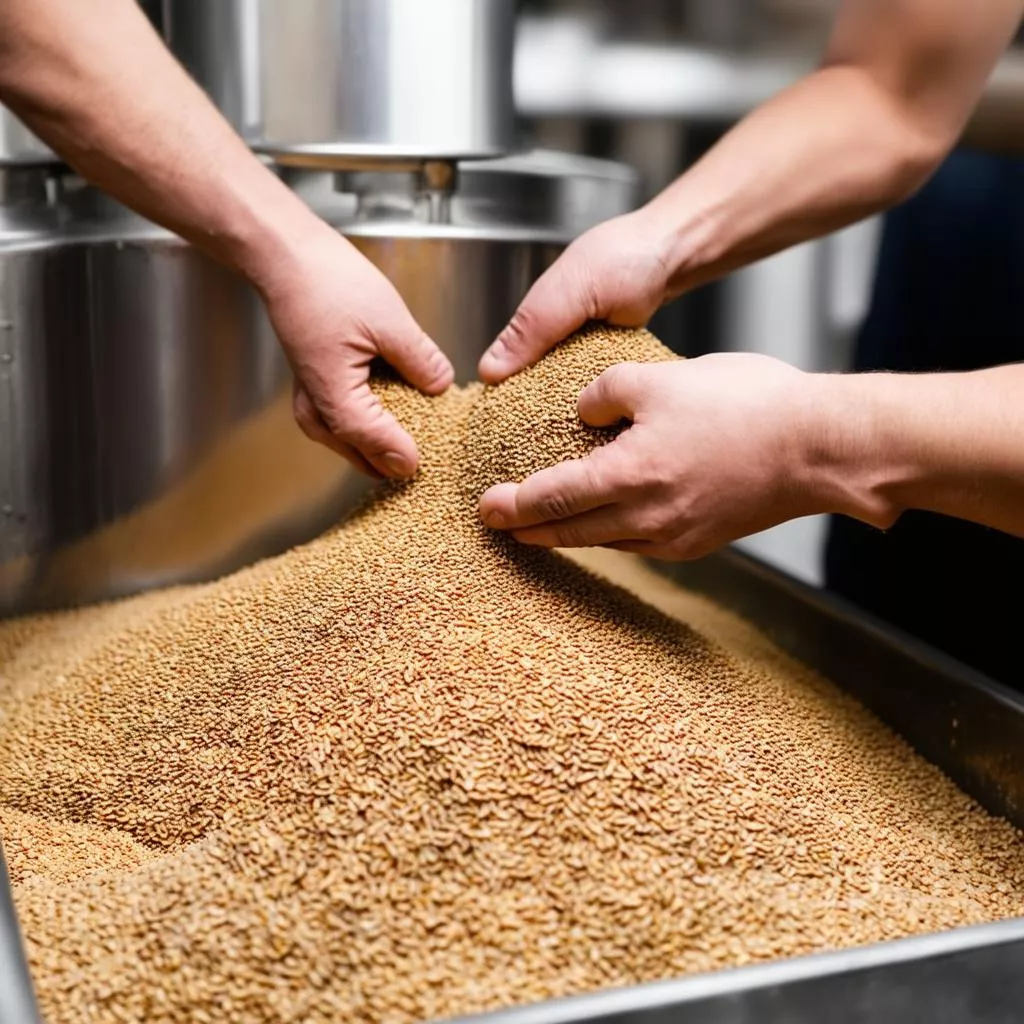
- Impurity Removal: This critical step determines fermentation efficiency and quality. The 5% impurities in starch, such as husk, seed coat, and soil, must be removed through screening and washing.
- Grinding: Grinding starch increases surface area for yeast contact, accelerating saccharification.
-
Saccharification: Starch converts into glucose using amylase enzymes.
-
Fermentation: Yeast converts glucose into ethanol and CO2.
-
Distillation: Fermented ethanol undergoes distillation to obtain higher alcohol concentration.
Impurities: The Hidden Enemy of Fermentation
While 5% impurities might seem insignificant, they significantly impact fermentation. They can:
- Contaminate: Create a breeding ground for harmful bacteria, competing with yeast for nutrients and reducing efficiency.
- Hinder Yeast Activity: Impurities adhere to yeast, hindering starch contact and conversion.
- Compromise Product Quality: Introduce off-flavors and reduce clarity in the final product.
Therefore, impurity removal is paramount for successful fermentation.
Removing impurities in alcohol production
Unveiling the Secret
The secret to efficiently fermenting a ton of starch with 5% impurities lies in meticulous raw material processing and selecting suitable yeast.
- Thorough Raw Material Processing: Completely remove impurities using modern technology combined with practical experience.
- Quality Yeast Selection: Utilize highly active yeast strains tolerant to impurities and capable of producing the desired flavor profile.
- Controlled Fermentation Conditions: Carefully control temperature, pH, and fermentation duration to optimize yeast activity.
According to Robert Kowalski, author of “The Art of Fermentation,” temperature control is crucial. He states: “The ideal temperature for most yeast strains is between 20-25 degrees Celsius. If the temperature is too low, yeast activity slows, reducing efficiency. Conversely, excessively high temperatures can kill the yeast, resulting in an unpleasant-tasting product.”
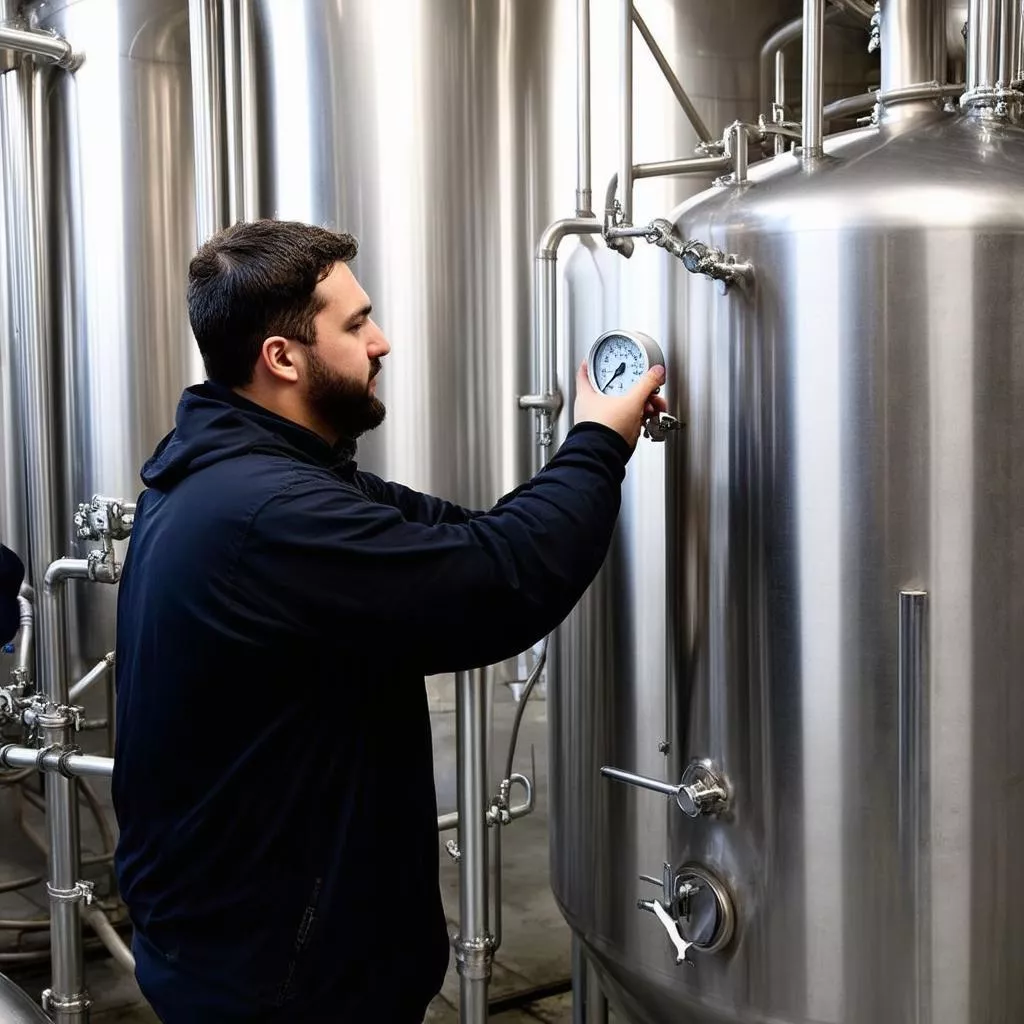 Controlling temperature during fermentation
Frequently Asked Questions about Starch Fermentation:
- Besides alcohol, what other products result from starch fermentation? Starch fermentation also produces CO2, used in bread making and carbonated beverages.
- How can you tell when fermentation is complete? Look for signs like no more bubbling, settled foam, and a noticeable alcohol taste.
- Is it possible to ferment starch at home? Home starch fermentation is possible with proper knowledge, technique, and food safety practices.
Want to Learn More About Fermentation?
Explore related articles on xetaihanoi.edu.vn:
Contact Us
This article provides valuable insights into starch fermentation. For any further questions, contact our expert team at xetaihanoi.edu.vn for 24/7 support.
XE TẢI HÀ NỘI Dealership – Your Partner on Every Road.
Hotline: 0968 239 999