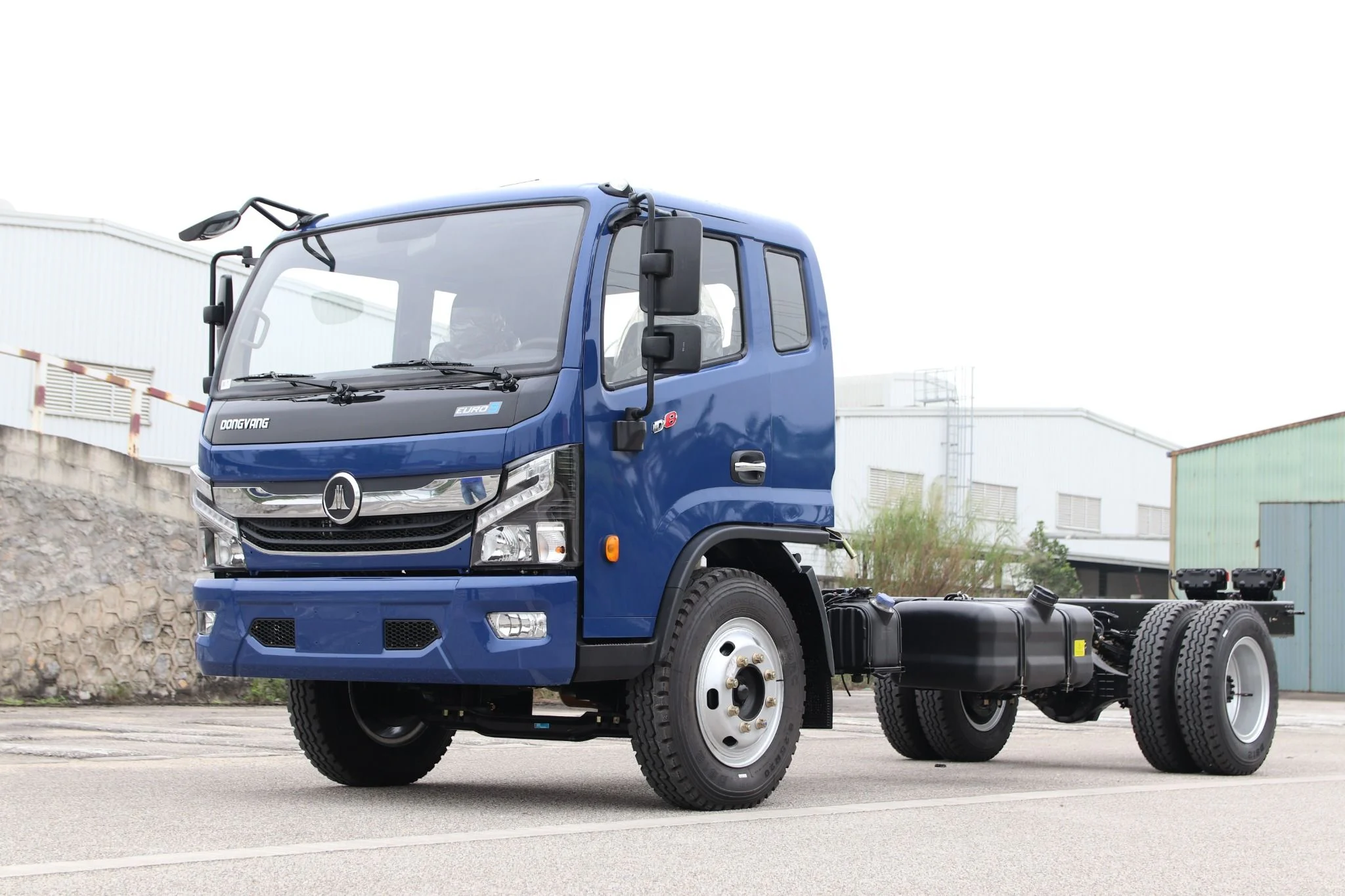
“A smooth ride and effortless cruising depend on properly inflated tires!” This common saying hints at the importance of tire pressure, a crucial factor affecting your car’s safety and performance. So, what’s the ideal tire pressure for your vehicle?
Why Tire Pressure Matters:
The question of correct tire pressure is a common concern, especially for new drivers. Maintaining the right pressure not only ensures safe travels but also:
- Extends Tire Lifespan: Proper inflation distributes weight evenly, reducing friction and wear, ultimately prolonging tire life.
- Improves Fuel Efficiency: Correctly inflated tires minimize rolling resistance, leading to better gas mileage.
- Enhances Vehicle Performance: Optimal tire pressure improves handling, responsiveness, and overall driving experience.
Finding the Right Pressure:
There’s no universal answer to the ideal tire pressure. Each car has a recommended pressure specified on a sticker usually located on the driver’s side doorjamb or in the owner’s manual.
For a visual representation, refer to the image below: Car tire pressure information
Key Considerations:
The recommended tire pressure is determined by the manufacturer based on factors like:
- Vehicle Weight: The combined weight of the car and passengers directly impacts the required tire pressure.
- Tire Size: Larger tires generally require higher pressure for optimal stiffness and load capacity.
- Tire Type: Radial tires typically have higher pressure requirements than bias-ply tires.
- Weather Conditions: Ambient temperature affects tire pressure; hot weather increases pressure, while cold weather decreases it.
Common Tire Pressure Issues:
- Underinflation: Soft tires cause the car to lean during turns, reduce grip, and increase the risk of skidding.
- Overinflation: Hard tires result in a noisy and bumpy ride, reduced comfort, and accelerated tire wear.
The following image illustrates the effects of underinflation and overinflation: Comparison of underinflated and overinflated tires
Addressing Tire Pressure Issues:
- Regular Checks: Use a reliable tire pressure gauge to check your tire pressure weekly, especially before long trips.
- Inflate to Recommended Pressure: Inflate your tires to the manufacturer’s recommended pressure, found on the doorjamb sticker or in the owner’s manual.
- Adjust for Temperature: In hot weather, slightly reduce tire pressure to compensate for increased pressure. In cold weather, add a bit more air to account for decreased pressure.
Related Questions:
- What’s the correct tire pressure for trucks?
- What’s the standard tire pressure for cars?
- What’s the recommended tire pressure in PSI?
- How much should I inflate my car tires?
Related Products:
- Tire Pressure Gauge: A tool for accurate tire pressure measurement.
- Portable Tire Inflator: A device for quick and convenient tire inflation.
The image below shows a tire pressure gauge and a portable tire inflator: Tire pressure gauge and portable tire inflator
Further Resources:
- Explore More:
- Contact Us: Contact XE TẢI HÀ NỘI or call our hotline: 0968 239 999 for further assistance and consultation.
Conclusion:
Maintaining correct tire pressure is paramount for safe and efficient driving. Regularly check and inflate your tires to the recommended pressure to protect yourself and your passengers.
Leave a comment if you have any questions or want to share your experiences with tire pressure. We’re available 24/7 to assist you!