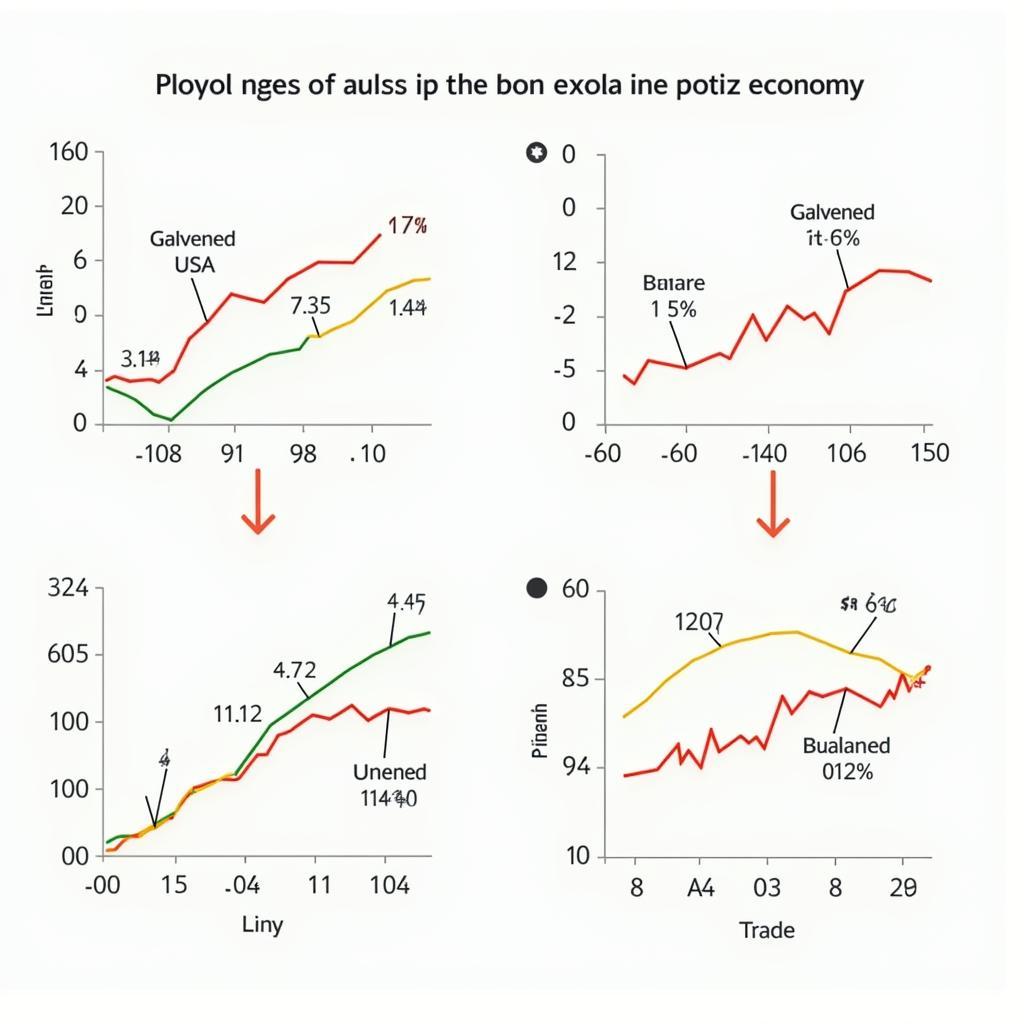
Exchange rate policy plays a crucial role in today’s globalized economy. Analyzing and evaluating dissertations on exchange rate policy is essential to better understand its impact on both macro and microeconomics. This article will delve into exchange rate policy papers, analyzing key aspects and providing valuable insights for readers.
The Importance of Exchange Rate Policy Papers
Studying dissertations on exchange rate policy helps us better understand how countries manage their currencies, influencing international trade and foreign investment. This policy can affect inflation, economic growth, and employment. A thorough understanding of this topic is crucial for policymakers, businesses, and investors. Exchange rate policy also influences maternity leave policies, like the 2019 policy, when considering macroeconomic aspects.
Impact of Exchange Rate Policy on the Economy
Types of Exchange Rate Policies
There are various types of exchange rate policies, including fixed exchange rates, floating exchange rates, and managed exchange rates. Each type has its own advantages and disadvantages, suitable for different stages of economic development. Exchange rate policy papers often analyze the suitability of each policy type within a specific context. Since 1987, Vietnam’s foreign policy has seen numerous changes in its exchange rate policies.
Fixed Exchange Rates
Under this regime, the value of the domestic currency is fixed against another strong currency or a basket of currencies. This creates stability for international trade but limits the economy’s ability to adjust to external shocks.
Floating Exchange Rates
Floating exchange rates are determined by the foreign exchange market, reflecting the supply and demand for currencies. This regime allows the economy to self-adjust but can lead to significant fluctuations, affecting import and export activities.
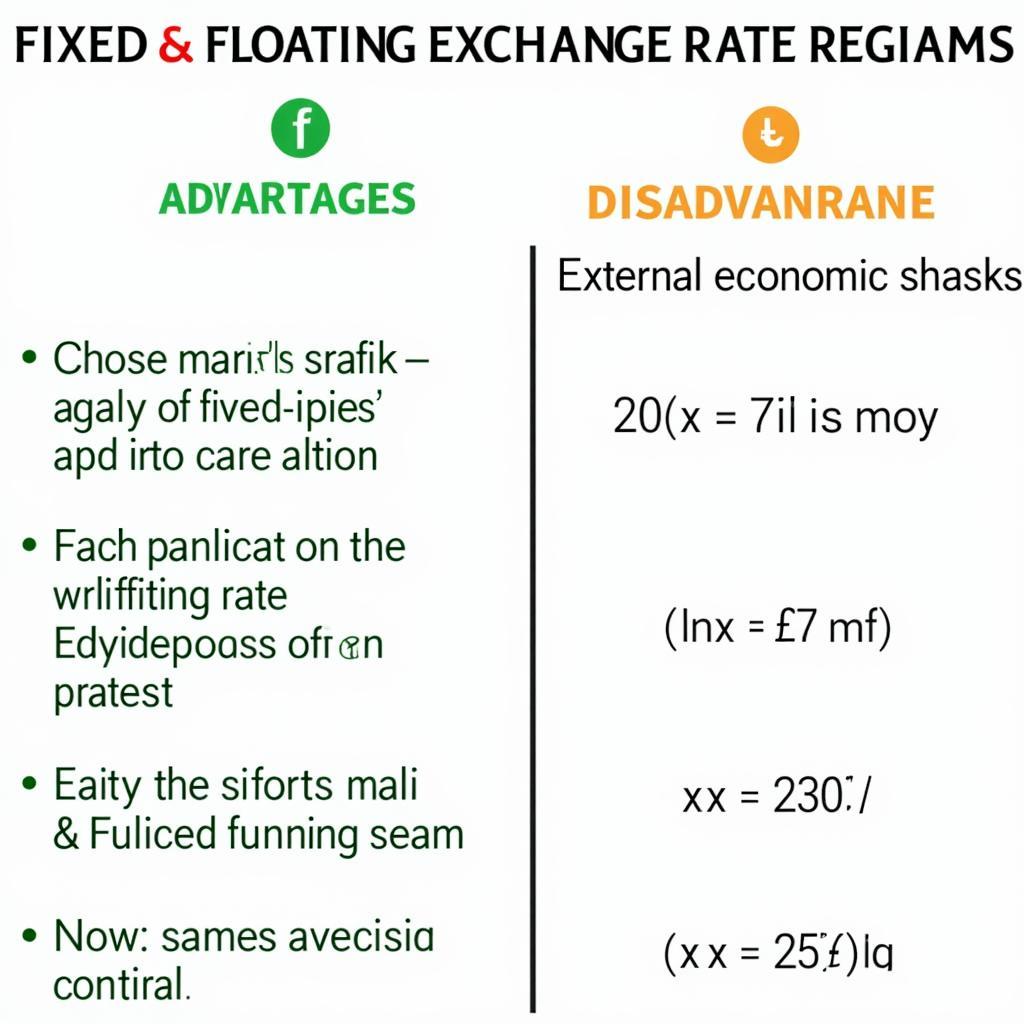 Comparison of Floating and Fixed Exchange Rates
Analyzing the Impact of Exchange Rate Policy
Exchange rate policy papers often focus on analyzing the impact of this policy on macroeconomic indicators. This policy affects imports and exports, foreign investment, inflation, and economic growth. Analyzing this impact helps in making informed policy decisions. Financial accounting textbooks provide a foundational understanding of the financial impacts of this policy.
Impact on Imports and Exports
Exchange rates have a direct impact on the prices of imported and exported goods. Exchange rate fluctuations can change the competitive advantage of domestic businesses.
Impact on Foreign Investment
A stable exchange rate policy attracts foreign investment. Conversely, large exchange rate fluctuations can reduce investment flows. The “Ngụ binh ư nông” policy (soldiers as farmers) is an example of a policy that affects the economy and can indirectly relate to exchange rates.
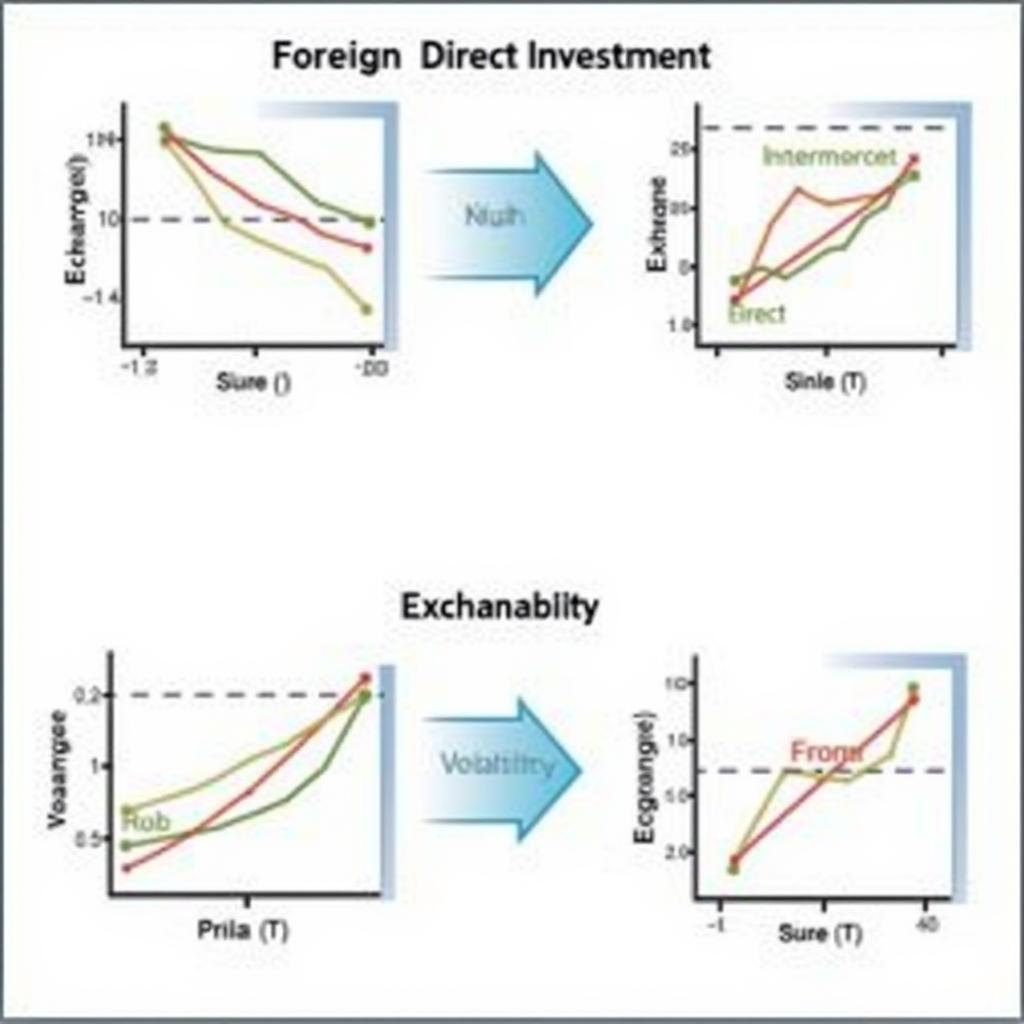 Impact of Exchange Rate Policy on Investment
Conclusion
Exchange rate policy research is a crucial field for understanding the role of this policy in the economy. The pacification policy of French colonialism is another example of a policy with economic impacts and potential indirect connections to exchange rates. Choosing the right exchange rate policy is key to ensuring economic stability and development.
FAQ
- What is an exchange rate policy paper?
- What are the common types of exchange rate policies?
- How do exchange rates affect imports and exports?
- What is the impact of exchange rate policy on foreign investment?
- How to choose the right exchange rate policy?
- How do exchange rates affect inflation?
- What is the role of exchange rate policy in the global economy?
Suggested Questions and Related Articles
You can learn more about other policies, such as the 2019 maternity leave policy or the content of the “Ngụ binh ư nông” policy on our website.
Common Scenarios
Many customers inquire about the impact of exchange rates on truck imports. Fluctuating exchange rates can increase or decrease the cost of vehicles, affecting purchasing decisions.
For assistance, please contact us at Phone: 0968239999, Email: [email protected] Or visit us at: TT36 – CN9 Road, Tu Liem Industrial Park, Phuong Canh Ward, Nam Tu Liem District, Hanoi. We have a 24/7 customer service team.