“Heavy as lifting a mountain” – this is how people used to describe an extremely difficult task. But today, with the powerful assistance of machinery, especially cranes, lifting tons of weight has become easier than ever. So, what’s special about a 3-ton crane? Let’s find out!
Significance of the Question:
Understanding “3-ton cranes” goes beyond simply answering a technical question. It opens up a world of significant practical applications.
- In construction: A 3-ton crane is a powerful tool for lifting construction materials, installing steel structures, and accelerating project timelines.
- In transportation: Cranes are used to quickly and efficiently load and unload goods onto trucks, containers, and ships.
- In industrial production: Lifting and moving heavy machinery and equipment within factories and plants.
The Answer:
To lift a 3-ton load, a crane must meet stringent technical requirements for load capacity, lifting height, reach, and safety systems. Typically, cranes with a lifting capacity of 3 tons or more are commonly used.
Common Crane Types:
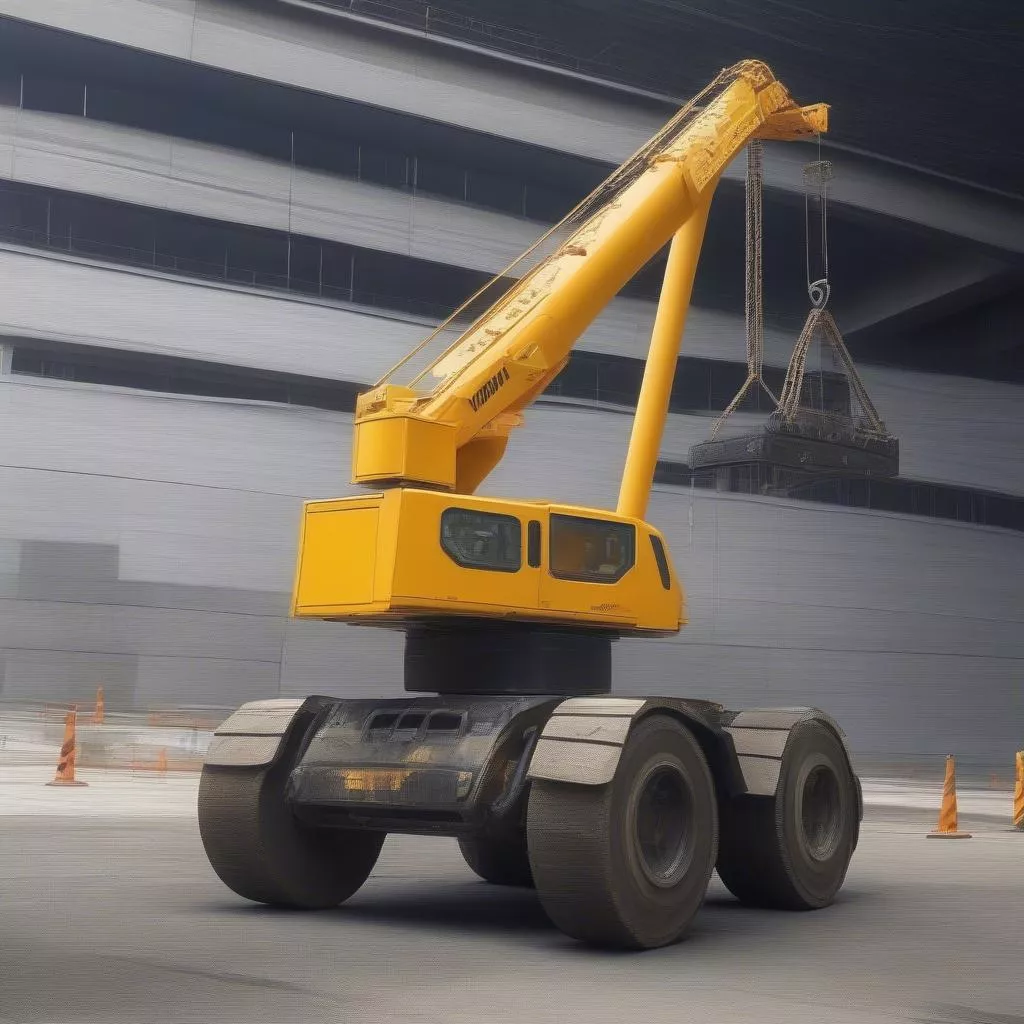
- Mobile Cranes: Offering flexible movement across various terrains, suitable for medium and small-scale projects.
- Tower Cranes: Fixed installations with high load capacity and impressive lifting heights, commonly used in high-rise construction.
- Crawler Cranes: Navigate soft ground effectively, making them ideal for transportation and road construction projects.
Mobile crane
Argument & Verification:
To ensure absolute safety when operating a 3-ton crane, consider the following:
- Choose the right crane type for the load and job requirements.
- Thoroughly inspect the crane’s technical condition before operation.
- Strictly adhere to the safety operating procedures provided by the manufacturer.
- Select a reputable service provider with experienced technicians.
According to Robert Miller, author of “The Safe Crane Operation Handbook”: “Safety is paramount in all lifting operations. Choosing the right crane and adhering to safety procedures are prerequisites for the success of any project.”
Common Scenarios:
- Crane tilting or overturning: This can be caused by off-center loading, operating the crane on unstable ground, or strong gusts of wind.
- Cable breakage: Due to old or worn cables, or exceeding the maximum allowable load.
Troubleshooting:
- Thoroughly inspect the terrain before installing and operating the crane.
- Distribute the load evenly to avoid off-center situations.
- Regularly inspect and maintain the crane.
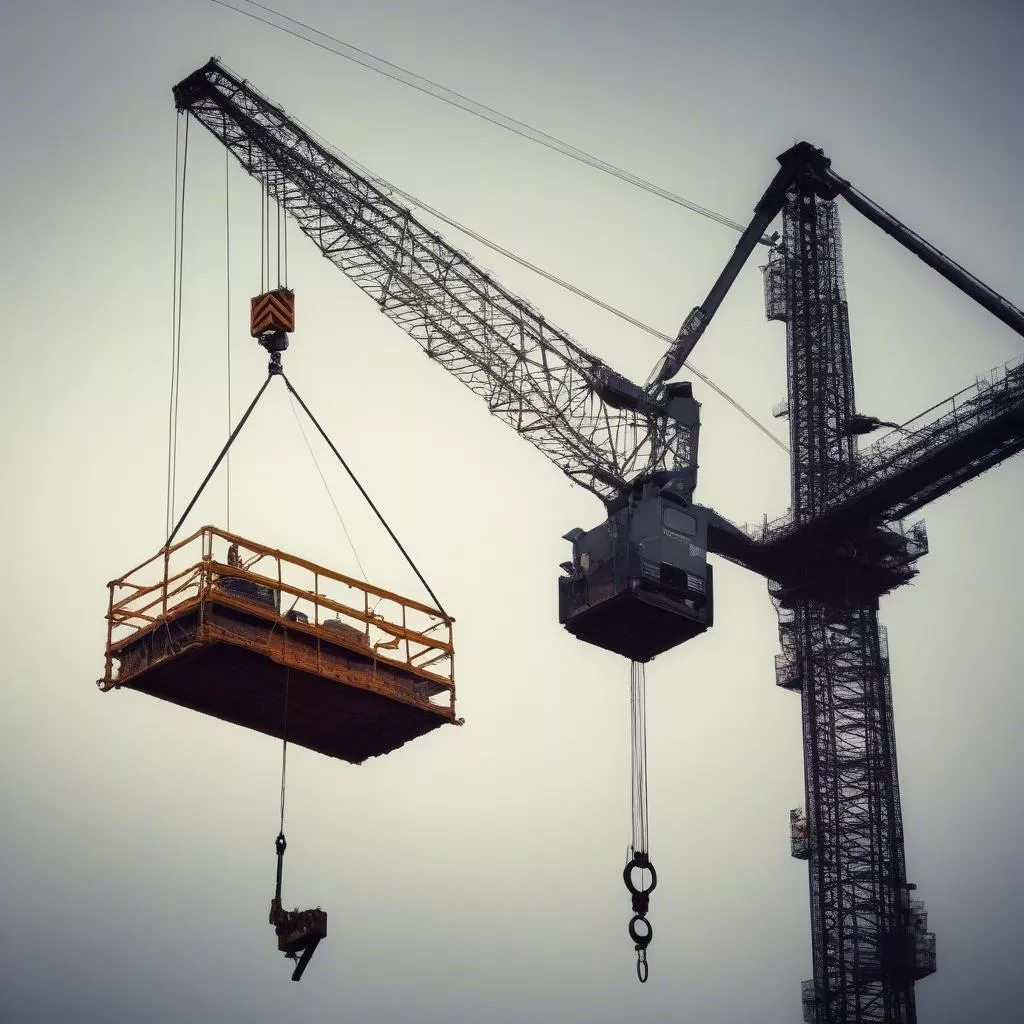 Crane lifting heavy object
Related Questions:
- How much does a 3-ton crane cost?
- Should I rent or buy a 3-ton crane?
- What are the reputable 3-ton crane brands on the market?
- What is the safety inspection process for a 3-ton crane?
- What is the maximum lifting height of a 3-ton crane?
Related Products:
- 2-ton crane
- 5-ton crane
- Tire crane
- Mobile crane
- Electric chain hoist
Further Suggestions:
To learn more about suitable trucks for transporting construction materials, you can refer to this article: https://xetaihanoi.edu.vn/xe-tai-5-tan-cho-duoc-bao-nhieu-khoi/. Or, if you are interested in the structure and design of a 5-ton truck, visit: https://xetaihanoi.edu.vn/dac-diem-thiet-ke-cau-truc-5-tan-dam-doi/.
Conclusion:
Choosing and using a 3-ton crane requires technical understanding and strict adherence to safety regulations. We hope this article has provided you with useful information on this topic. If you have any questions, please don’t hesitate to contact us.
XE TẢI HÀ NỘI – Your Partner on Every Road
Hotline: 0968 239 999









