You’ve likely heard the story of David, the shepherd boy who defeated the giant Goliath. The tale of the Japanese automotive industry carries a similar epic quality. From a nation devastated by war, Japan rose powerfully to become a “king” in automobile manufacturing, challenging and surpassing even superpowers like the US and Germany. What is the secret behind this miraculous rise? Let’s explore with XE TẢI HÀ NỘI!
The Significance of “Japan’s Automotive Industry”: More Than Just Manufacturing
The Japanese automotive industry is more than just assembling cars. It’s a symbol of resilience, innovation, and the relentless upward spirit of an entire nation. Talking about the Japanese automotive industry means talking about:
- Continuous Innovation: Always pioneering in applying new technologies, from hybrid engines to self-driving cars.
- Top-Tier Quality: “Made in Japan” has become a trademark guaranteeing durability and reliability.
- Distinct Business Philosophy: Emphasizing people, the spirit of Kaizen (continuous improvement), and lean manufacturing.
From Post-War Ruins to Automotive Superpower
The journey of the Japanese automotive industry began in the 1900s, much later than in Western countries. However, with the spirit of “catching up and surpassing,” the Japanese gradually built a solid foundation for this nascent industry.
The Starting Phase: Learning and Adapting (1900-1945)
Initially, Japan focused on importing and assembling cars from foreign brands. This helped them absorb modern production technology and techniques. Simultaneously, some domestic companies like Toyota and Nissan began to form and produce their first models.
The Renaissance and Rapid Development Phase (1945-1970)
After World War II, Japan faced difficult circumstances. However, this was also when the automotive industry demonstrated its resilience. With government support and a spirit of hard work and innovation, Japanese automakers quickly recovered and developed remarkably.
Reaching the World and Affirming Position (1970 – Present)
The 1970s marked a significant turning point when Japanese automakers began exporting products to the US and European markets. Thanks to good quality, competitive prices, and suitable designs, Japanese cars quickly won the hearts of global consumers.
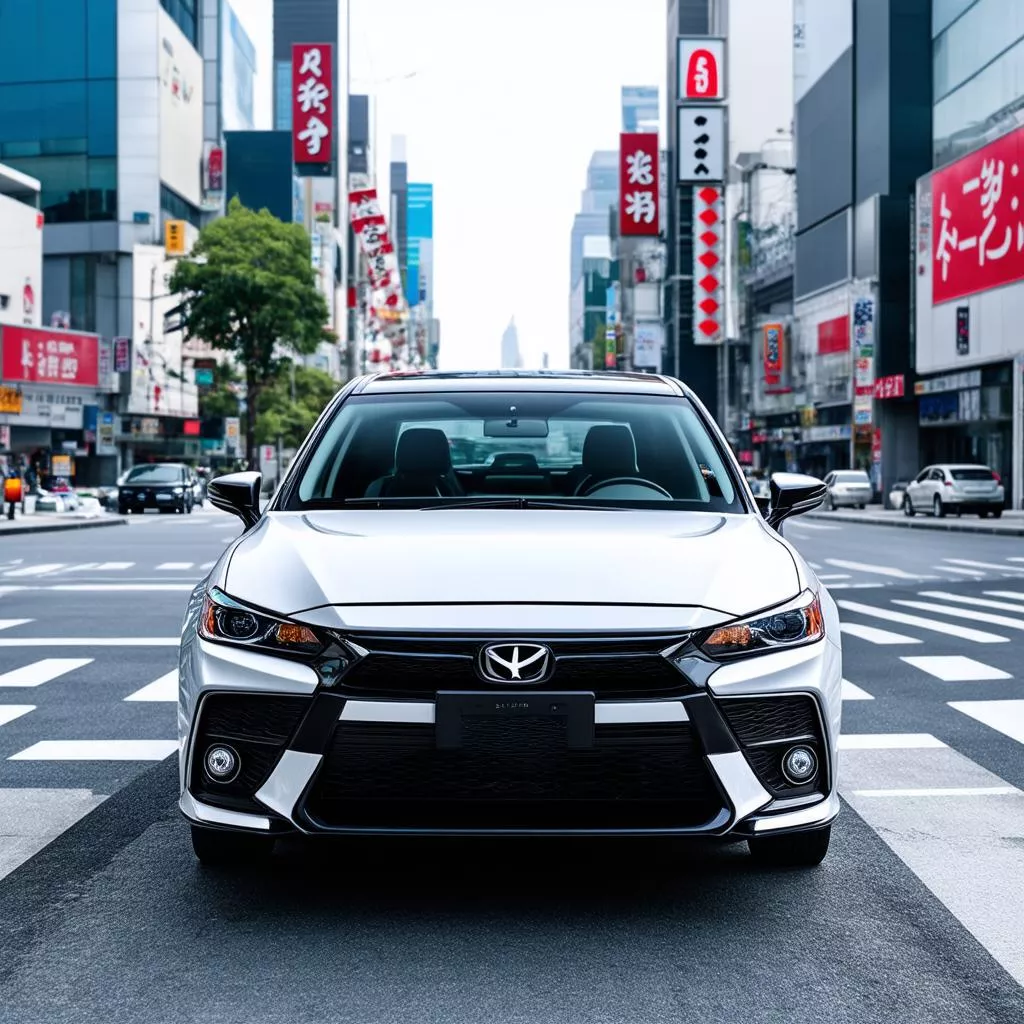
Modern Japanese cars
Secrets to the Success of the Japanese Automotive Industry
Many factors contribute to the success of the Japanese automotive industry:
- Kaizen Spirit – Continuous Improvement: The Japanese always believe “nothing is perfect” and constantly seek to improve products and production processes to achieve the highest efficiency.
- Emphasis on People: People are considered the most valuable asset. Japanese companies always create the best conditions for employees to develop their abilities.
- Lean Manufacturing: Optimizing every stage of production, eliminating waste to minimize costs and production time.
- Application of Advanced Technology: Always at the forefront of researching and applying the latest technologies in production, creating high-quality products that meet the increasing demands of the market.
Expert Opinion
According to Professor Hiroshi Tanaka, a leading expert on the automotive industry at the University of Tokyo: “The success of the Japanese automotive industry is a perfect combination of unique corporate culture, a serious work ethic, and methodical, long-term investment strategies.”
The Future of the Japanese Automotive Industry
In the context of the global automotive industry facing many challenges such as climate change, energy depletion, and fierce competition from emerging countries, Japanese automakers are striving to transform themselves to adapt and maintain their leading position.
- Developing Environmentally Friendly Vehicles: Focusing on hybrid, electric, and hydrogen-powered vehicles.
- Research and Development of Self-Driving Cars: Investing heavily in self-driving technology, aiming for a future of driverless cars.
- Expanding to Emerging Markets: Increasing investment in potential markets such as Southeast Asia, South America, and Africa.
Frequently Asked Questions About the Japanese Automotive Industry
Which are the most famous Japanese car brands?
Japan is home to many world-renowned car brands such as Toyota, Honda, Nissan, Mazda, Suzuki, Mitsubishi, Subaru, and more. Each brand has its own strengths, from mainstream cars to luxury cars, sports cars, and trucks.
What are the advantages of Japanese cars?
Japanese cars are famous for their high durability, low maintenance, fuel efficiency, reasonable prices, and good resale value.
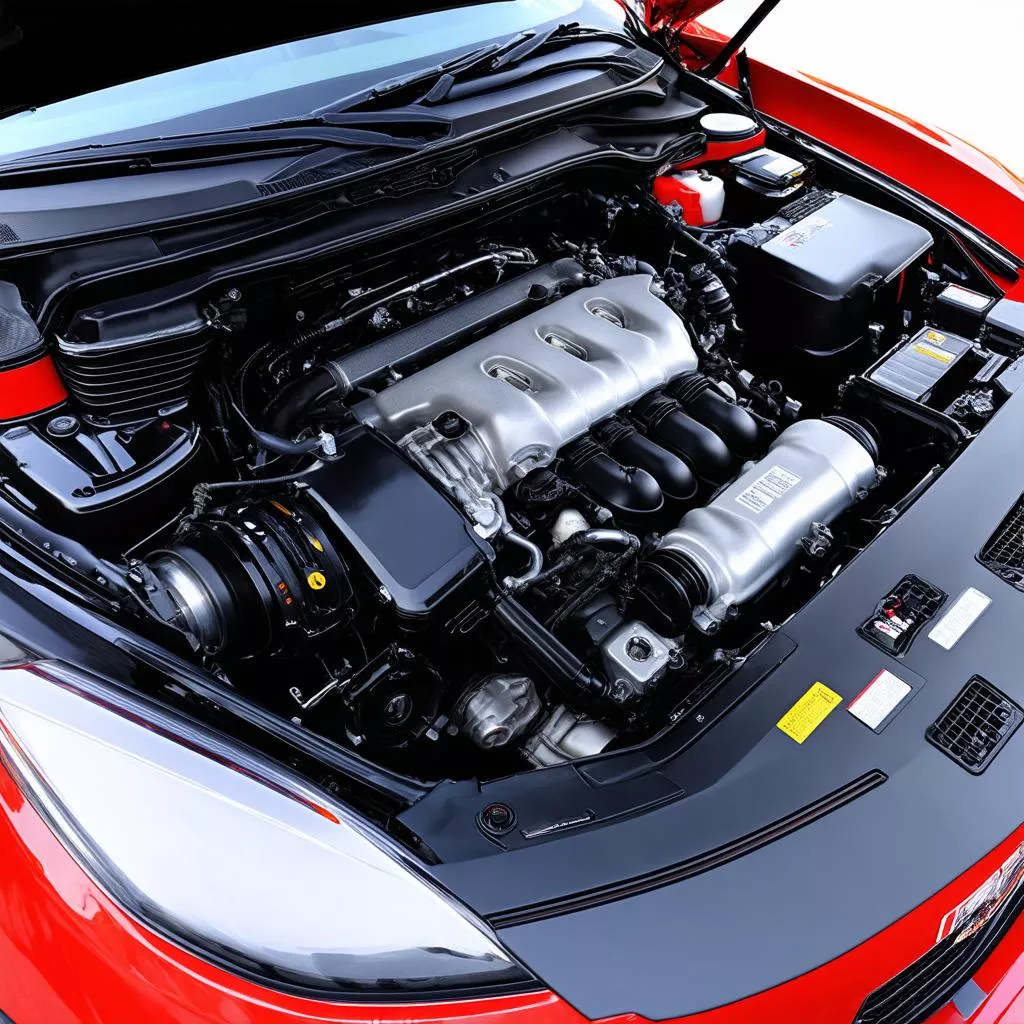 Japanese car engine
How does the Japanese automotive industry impact the economy?
The automotive industry is one of the main pillars of the Japanese economy, contributing significantly to GDP, creating millions of jobs, and promoting the development of many other supporting industries.
Need Truck Consultation?
The article above has provided an overview of the Japanese automotive industry. We hope this information is helpful to you.
For more detailed advice on Japanese truck models, please contact XE TẢI HÀ NỘI Dealer or Hotline: 0968 239 999. We are always ready to assist you 24/7!
Explore More
Please leave a comment and share this article if you find it useful. Don’t forget to visit xetaihanoi.edu.vn regularly to update on useful information about the world of trucks!









