Want to learn how to perform Automatic License Plate Recognition (ALPR) using OpenCV in C++? Let’s delve into the technology and its real-world applications!
Significance of ALPR
Automatic License Plate Recognition using OpenCV C++ is a captivating field for many software developers. It’s not just a fascinating algorithm but also offers numerous practical benefits.
Cultural and Spiritual Significance
In Eastern cultures, license plates are often seen as symbols of luck. A visually appealing license plate, harmonizing with Feng Shui principles, is believed to bring good fortune.
Scientific and Technological Significance
From a scientific perspective, ALPR using OpenCV C++ unlocks a wealth of potential applications, including:
- Security: Intelligent traffic surveillance systems, identifying vehicles violating traffic laws, and tracking stolen vehicles.
- Traffic Management: Gathering data on traffic flow, analyzing driving behavior, and optimizing traffic patterns.
- Services: Automating license plate recognition in parking lots, enabling automated payment systems, and facilitating vehicle location.
Imagine an intelligent security system capable of automatically detecting and tracking vehicles that violate traffic regulations. Intelligent security system with ALPR
The Solution: OpenCV C++
OpenCV (Open Source Computer Vision Library) is a renowned open-source software library for computer vision tasks. OpenCV C++ provides functions and classes that support the development of ALPR applications.
Fundamental Steps
To implement ALPR using OpenCV C++, follow these steps:
- Data Collection: Prepare a comprehensive dataset of license plate images with variations in angles, lighting conditions, resolution, etc.
- Image Processing: Apply pre-processing techniques to remove noise, enhance contrast, and separate the license plate from the background.
- License Plate Segmentation: Isolate the license plate from the background using image segmentation algorithms like k-means clustering or edge detection.
- Character Recognition: Employ Optical Character Recognition (OCR) techniques to identify the characters on the license plate.
- Testing and Evaluation: Verify the recognition results and assess the accuracy and efficiency of the algorithm.
License plate segmentation is a crucial step, separating the plate from the background to focus on character recognition. 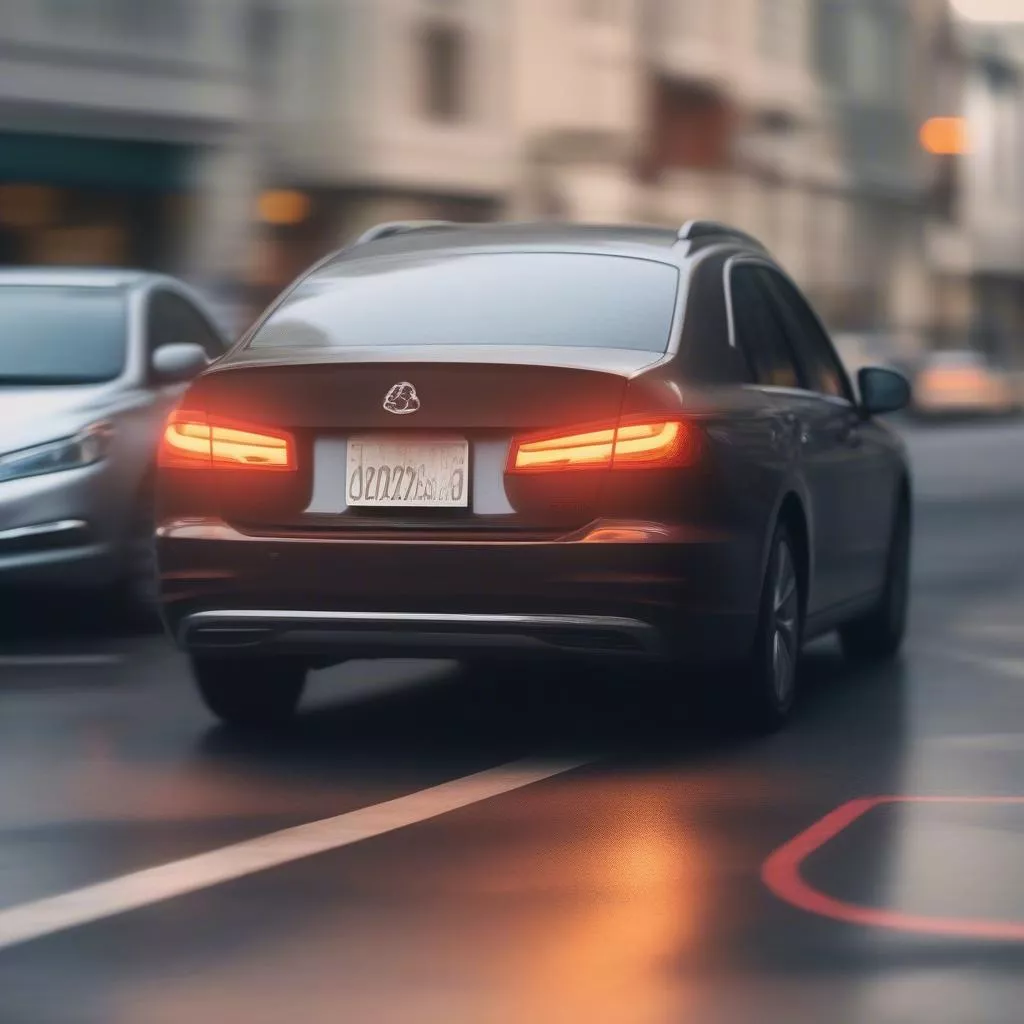 License plate segmentation
Common Challenges
Scenario 1: The license plate is partially obscured by objects like trees or other vehicles.
Scenario 2: The license plate appears blurry due to vehicle speed or poor image quality.
Scenario 3: License plates vary in color, font, and design.
Addressing the Challenges
To overcome these challenges, consider implementing advanced techniques:
- Contrast Enhancement: Utilize image filtering algorithms to improve license plate contrast, facilitating character separation.
- Shape-Based Segmentation: Employ shape-based segmentation algorithms to isolate the license plate based on its characteristic shape.
- Deep Learning: Apply deep learning models, such as Convolutional Neural Networks (CNNs), for highly accurate license plate recognition.
Deep Learning is a cutting-edge technique that enables computers to learn from data, achieving high accuracy in ALPR. 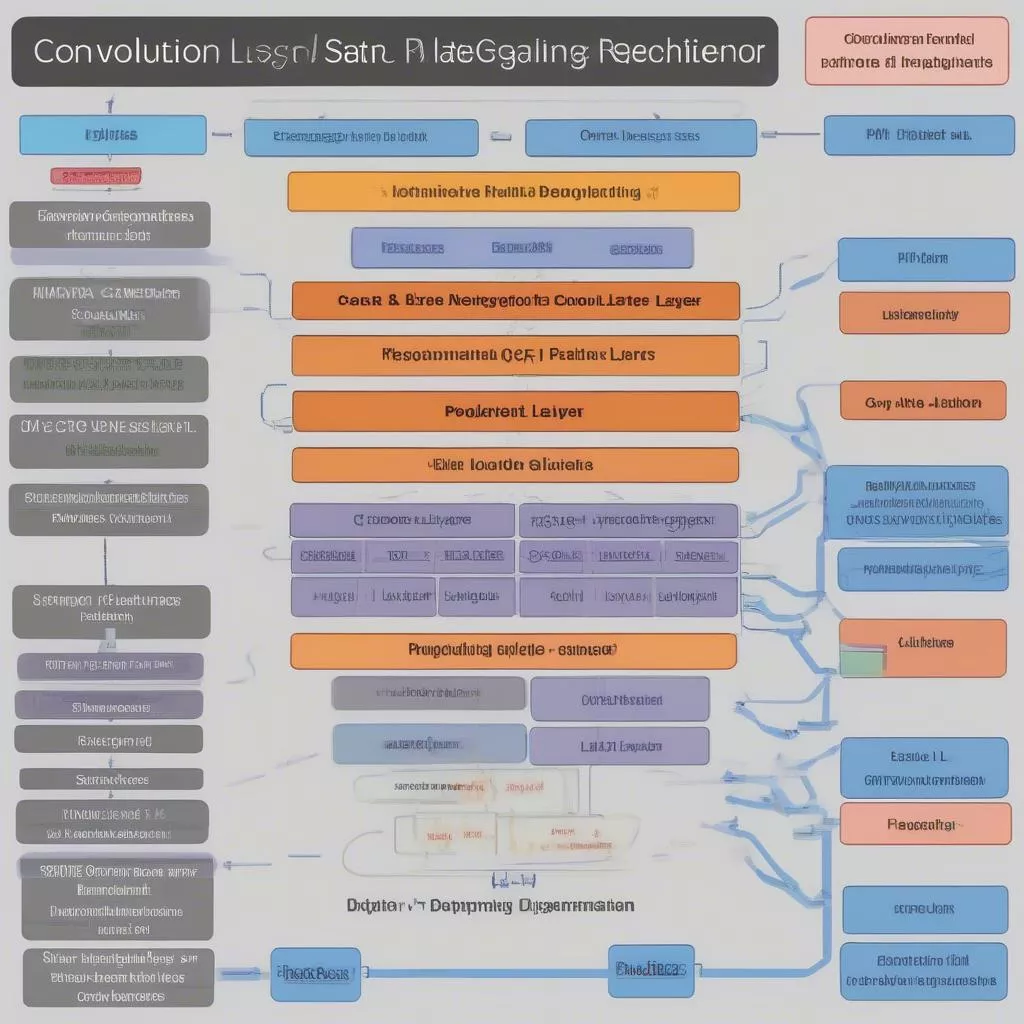 Deep learning for license plate recognition
Related Questions
- How can I perform license plate recognition using Python?
- Which algorithm is most effective for ALPR?
- What libraries support ALPR with OpenCV?
- How can I evaluate the accuracy of an ALPR algorithm?
- Which datasets are suitable for training ALPR algorithms?
Related Products
- Traffic Surveillance Cameras
- Automatic License Plate Recognition Systems
- Vehicle Management Software
- Intelligent Transportation Systems
Further Inquiries
- Can you share practical experiences applying ALPR in your projects?
- Could you recommend learning resources for OpenCV C++?
- Can you compare the effectiveness of different ALPR algorithms?
Call to Action
Want to learn more about ALPR with OpenCV C++? Contact us for consultation and support. XE TẢI HÀ NỘI is available 24/7. Contact us at: 0968 239 999.
Conclusion
ALPR using OpenCV C++ is a powerful technology with diverse real-world applications. Explore this technology and discover its unique potential. Share your thoughts in the comments or explore more engaging content on our website.









