The Nguyen Dynasty, the last feudal dynasty of Vietnam, left a significant mark on the country’s history, particularly in terms of its policies. This article will delve into an analysis and evaluation of the Nguyen Dynasty’s policies, examining both successes and limitations, to gain a deeper understanding of this crucial historical period.
Achievements of Nguyen Dynasty Policies
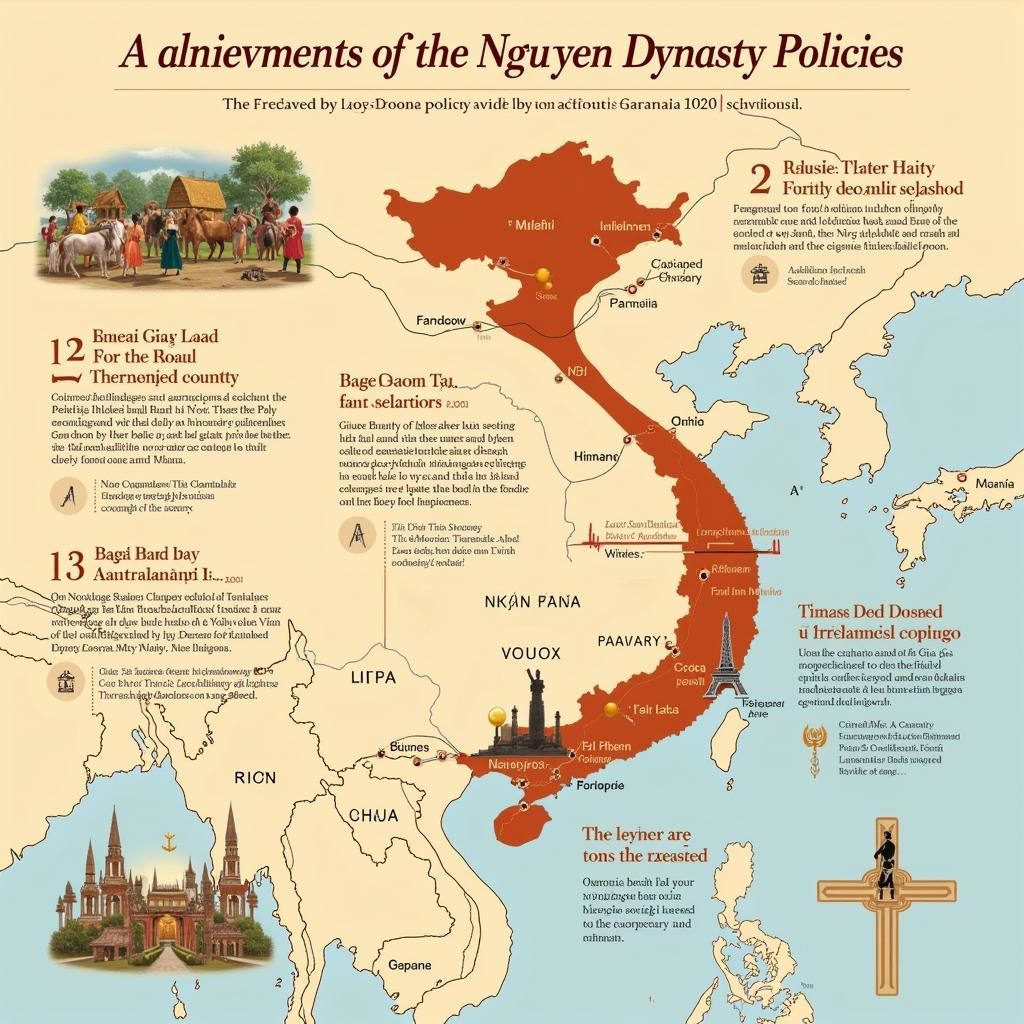
The Nguyen Dynasty achieved certain successes during its reign. The unification of the country after a prolonged period of civil war was an undeniable accomplishment. The political stability maintained for an extended period also facilitated economic and cultural development. Moreover, the compilation of the Gia Long Code, a relatively comprehensive and detailed legal code, is considered a significant achievement. The consolidation and expansion of territory southward were also notable accomplishments.
Nguyen Dynasty policy achievements: National unification, political stability, Gia Long Code, territorial expansion.
Limitations and Failures of Nguyen Dynasty Policies
Despite some achievements, the Nguyen Dynasty’s policies also revealed numerous limitations and failures, especially in the context of a rapidly changing world. The “closed-door” policy isolated Vietnam from the outside world, causing it to miss opportunities for learning and development. The concentration of power in the hands of the emperor and the court officials led to stagnation and corruption. Conservative and stagnant thinking prevented the Nguyen Dynasty from adapting to the changing times. The suppression of popular uprisings further exacerbated social conflicts. An evaluation of Nguyen Dynasty policies cannot overlook the mismanagement of the economy, which resulted in hardships for the population.
Similar to the analysis of the Nguyen Dynasty’s foreign policy, its economic policies also warrant scrutiny. An evaluation of the Nguyen Dynasty’s economic policies reveals inefficiencies in harnessing the country’s economic potential.
Nguyen Dynasty Policies Towards Social Classes
The Nguyen Dynasty’s policies towards different social classes also reflect the dynasty’s limitations. Peasants, the majority of the population, bore heavy burdens of taxation and corvée labor. Unfair land distribution also led to numerous peasant uprisings. The merchant class faced restrictions due to the “closed-door” policy. Intellectuals were stifled in their creativity and intellectual development.
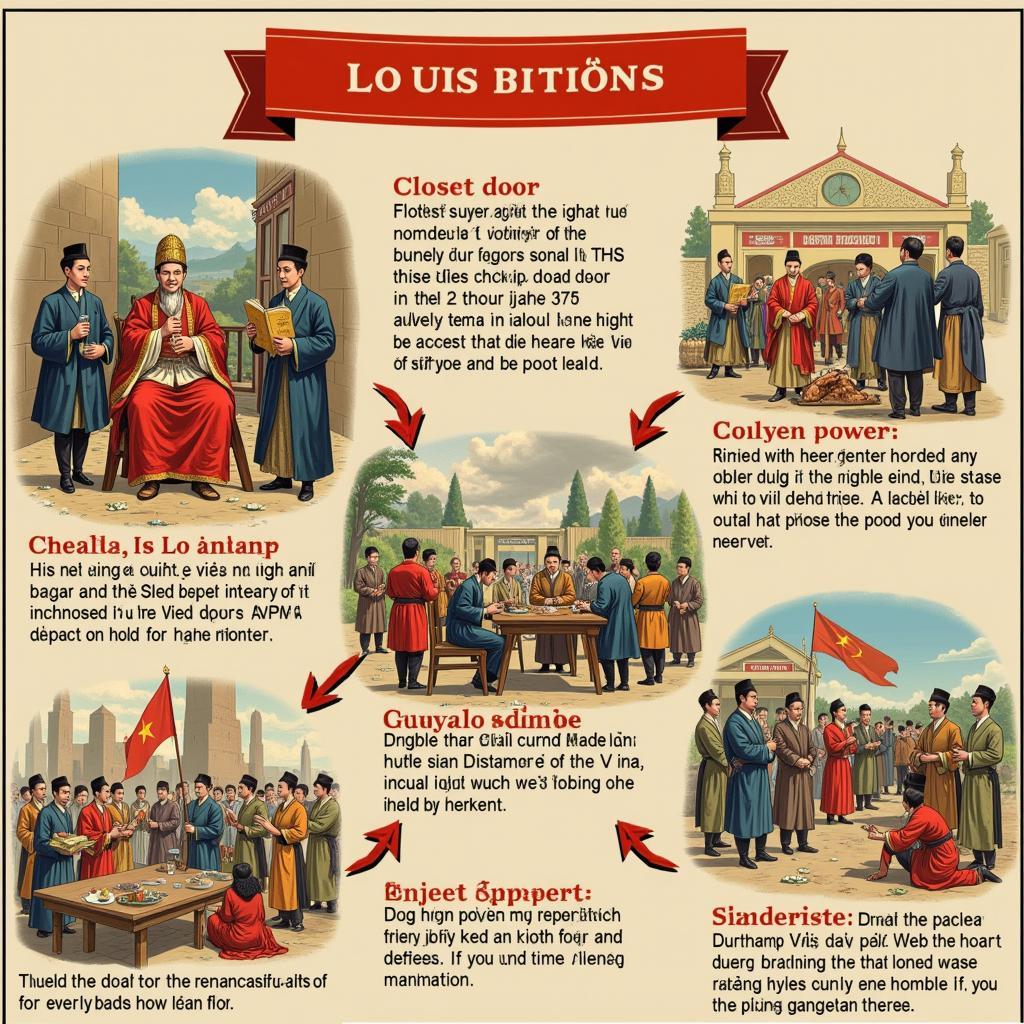 Limitations of Nguyen Dynasty policies: Isolationism, centralized power, conservatism, suppression of uprisings.
Evaluation of Domestic and Foreign Policies of the Nguyen Dynasty
Overall, modern tax policies for distributor support differ greatly from those of the Nguyen Dynasty. The Nguyen Dynasty’s domestic policies focused on consolidating central power but neglected the well-being of the people. Its foreign policy was passive and isolationist, leading to Vietnam’s lagging behind the rest of the world. These policy failures contributed to the weakening of the country and ultimately its colonization by France. This bears some resemblance to the Honda motorcycle warranty policy in establishing rules but lacking effectiveness. A detailed example regarding the Hextracoin referral program is the implementation of incentive policies that lacked transparency.
 Impact of Nguyen Dynasty Policies: Weakening of the nation, backwardness, colonization by France.
Conclusion
An evaluation of the Nguyen Dynasty’s policies reveals a dynasty that made some efforts in governing the country. However, its limitations and failures, particularly in a period of global change, led to regrettable consequences. Studying and evaluating these policies allows us to draw valuable lessons for the present and future.
FAQ
- What led to the Nguyen Dynasty’s isolationist policy?
- What were the limitations of the Gia Long Code?
- How did the Nguyen Dynasty’s economic policies differ from those of previous dynasties?
- Why couldn’t the Nguyen Dynasty adapt to the changing times?
- What lessons can be learned from the policy failures of the Nguyen Dynasty?
- How did the Nguyen Dynasty’s policies impact Vietnamese society?
- Are there differing perspectives on the policies of the Nguyen Dynasty?
For assistance, please contact us at Phone: 0968239999, Email: [email protected] or visit us at: TT36 – CN9 Road, Tu Liem Industrial Park, Phuong Canh Ward, Nam Tu Liem District, Hanoi. We have a 24/7 customer service team.









