Importing cars plays a crucial role in diversifying the Vietnamese automotive market. This article provides an overview of the process, procedures, and important considerations for importing vehicles into Vietnam.
Car Import Process
Importing a car is a complex process that requires a thorough understanding of laws, customs procedures, and related regulations. The process involves multiple steps, from sourcing vehicles and negotiating contracts to shipping, customs clearance, and finally, getting the car on the road. A solid grasp of this process allows businesses to optimize time and costs.
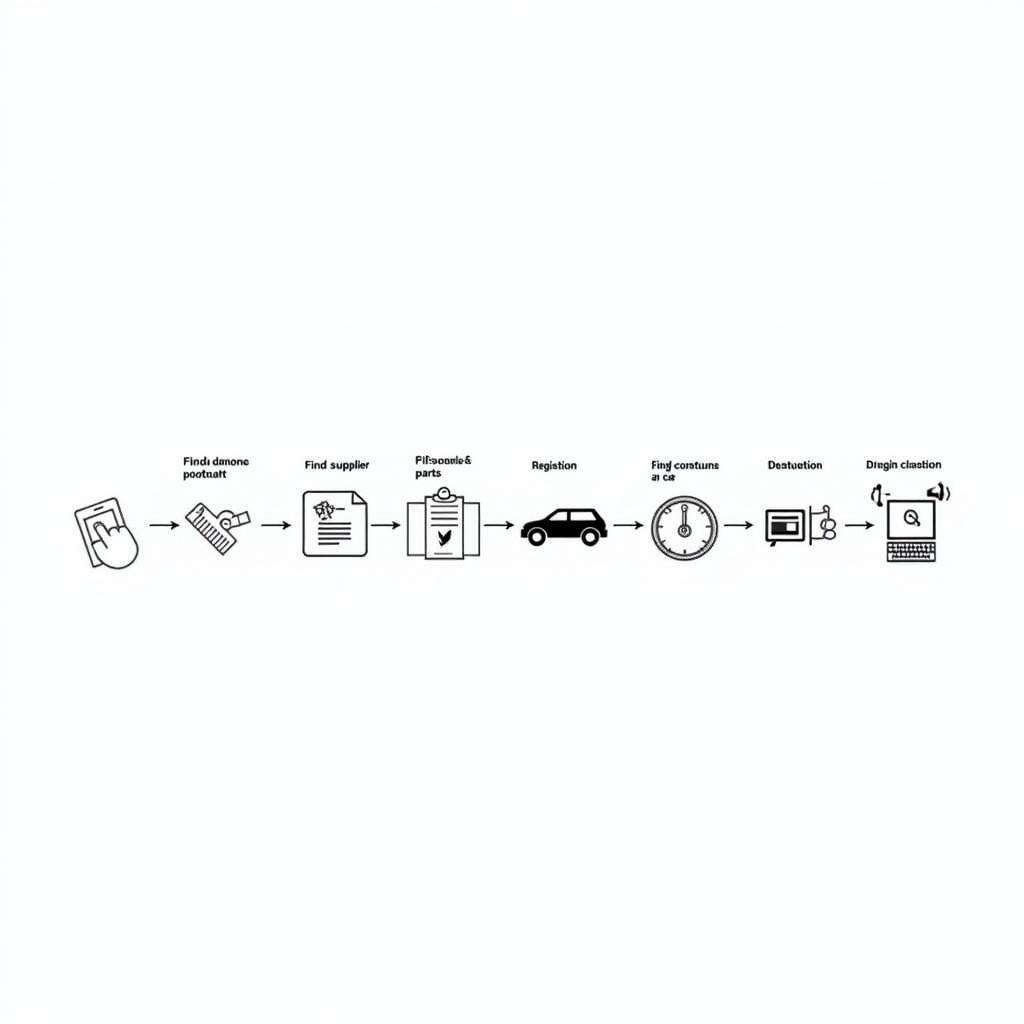
Key Steps in the Car Import Process
- Sourcing: Identify the desired car type, brand, model, and find a reputable supplier.
- Negotiation and Contract Signing: Agree on price, payment method, delivery time, and other terms.
- Obtaining an Import License: Prepare and submit the necessary documents to the relevant authorities to obtain a car import license. Learn more about car import licenses.
- Shipping: Choose a suitable shipping method that ensures safety and cost-effectiveness.
- Customs Procedures: Declare the vehicle to customs, pay taxes and related fees. Refer to the car import decree for current regulations.
- Quality Inspection: Ensure the vehicle meets quality and safety standards as required.
- Registration and Inspection: Complete vehicle registration and inspection procedures before it can be driven on the road.
Car Import Taxes
Import taxes significantly impact the cost of imported cars. Understanding the types of taxes and how they are calculated helps businesses estimate costs and develop appropriate business strategies. Learning more about calculating import taxes for used cars can lead to significant cost savings.
Import Taxes on Cars from Different Countries
Import tax rates vary depending on the vehicle’s origin. For instance, import taxes on cars from Thailand differ from those levied on cars from other countries. Additionally, import taxes on electric vehicles have specific policies to encourage the use of environmentally friendly vehicles.
Detailed car import process flowchart
The Vietnamese Car Import Market
The Vietnamese car import market is continuously growing, with the participation of many major global brands. The diversity in models, types, and prices offers consumers a wide range of choices.
Car Import Trends
Current car import trends favor fuel-efficient, environmentally friendly vehicles equipped with modern technology. Electric and hybrid cars are becoming increasingly popular.
 Vibrant Vietnamese car import market
Important Considerations for Car Imports
When importing cars, businesses must adhere to regulations concerning emission standards, safety requirements, and other Vietnamese legal provisions.
Legal and Procedural Matters
Understanding legal regulations and administrative procedures is crucial to avoid risks and unnecessary costs.
Nguyen Van A – Logistics Expert: “Thorough document preparation and adherence to procedures are key to successful car importation.”
Conclusion
Car importation is a promising yet challenging field. A comprehensive understanding of the process, procedures, and relevant regulations is crucial for success. Importing cars helps meet the growing market demand and promotes the development of the Vietnamese automotive industry.
For assistance, please contact us at Phone: 0968239999, Email: [email protected] or visit our address: No. TT36 – CN9 Road, Tu Liem Industrial Zone, Phuong Canh Ward, Nam Tu Liem District, Hanoi. We have a 24/7 customer support team.









