Mastering personal finance is crucial for achieving financial freedom and security. Books on financial literacy provide the knowledge, strategies, and tools to manage your finances effectively, achieve your financial goals, and build a secure future. From saving and investing to budgeting and debt management, these books equip you with essential skills to take control of your money.
The Importance of Financial Mastery
Personal finance mastery goes beyond simply saving money. It involves understanding your current financial situation, defining your financial goals, creating a realistic budget, managing debt effectively, and investing wisely. When you master your finances, you gain confidence in making important financial decisions, reduce money-related stress, and build a solid foundation for the future.
Personal finance management
Recommended Books for Mastering Your Finances
Numerous personal finance books are available, but here are some highly regarded options suitable for various readers:
- “The Total Money Makeover” by Dave Ramsey: This book focuses on eliminating debt and building a solid financial plan.
- “Rich Dad Poor Dad” by Robert Kiyosaki: This book challenges conventional views on money and investing, encouraging you to build assets rather than just saving.
- “The Intelligent Investor” by Benjamin Graham: A classic guide to value investing, this book provides timeless investment principles.
- “Your Money or Your Life” by Vicki Robin and Joe Dominguez: This book helps you understand the true value of money and time, leading to smarter financial decisions.
- “Think and Grow Rich” by Napoleon Hill: This book emphasizes the power of positive thinking and its impact on financial success.
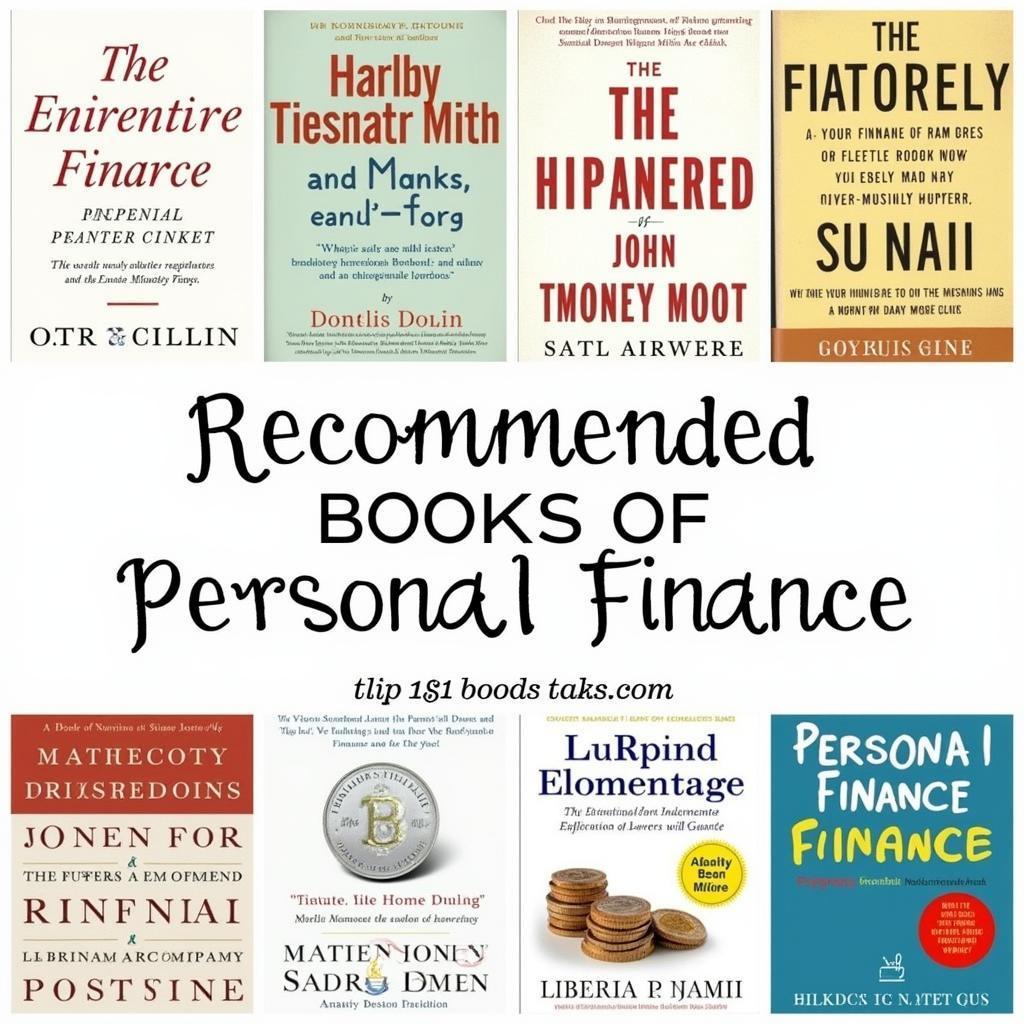 Recommended finance books
Creating a Personal Financial Plan
To master your personal finances, you need a detailed plan. This plan should include the following steps:
- Assess your current financial situation: Determine your income, expenses, assets, and debts.
- Set financial goals: Define what you want to achieve financially, such as buying a house, early retirement, or investing in a business.
- Create a budget: Track your income and expenses to ensure you’re spending wisely and saving enough.
- Manage debt: Develop an effective debt repayment plan to reduce your financial burden.
- Invest wisely: Learn about investment options that align with your goals and risk tolerance.
Secrets to Mastering Your Finances
Mastering your finances isn’t easy, but with persistence and effort, it’s achievable. Here are some tips for success:
- Set clear goals: The more specific your goals, the easier they are to pursue and achieve.
- Track expenses regularly: Tracking expenses helps identify unnecessary spending and save more effectively.
- Invest in financial knowledge: Read books, take courses, and learn from experts to improve your financial literacy.
- Be persistent and patient: Mastering finances is a long-term journey that requires persistence and patience.
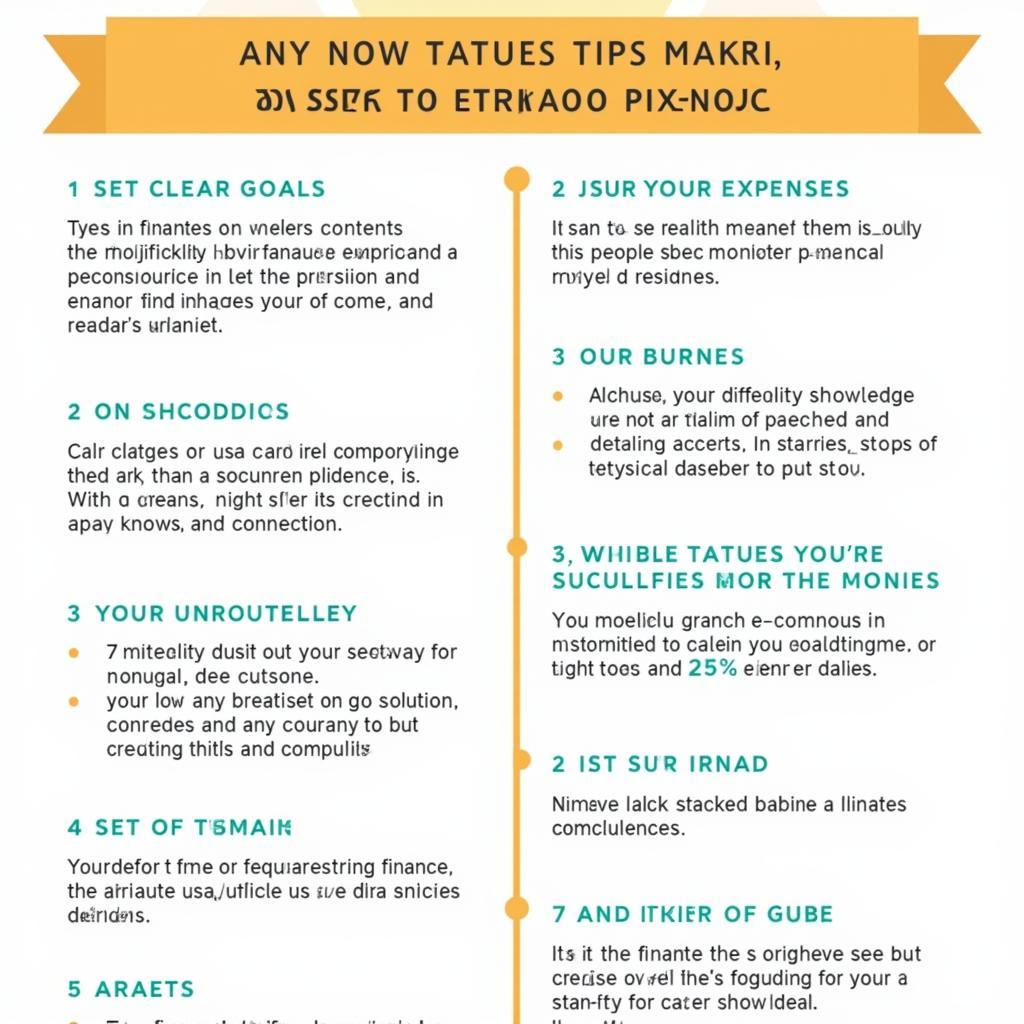 Keys to mastering your finances
Conclusion
Books on personal finance are invaluable resources for gaining the knowledge and skills needed to manage your finances effectively. By applying this knowledge, you can build a secure financial future and achieve financial freedom. Start your journey to financial mastery today!
FAQ
- How do I start learning about personal finance?
- Which personal finance book should I read first?
- Is budgeting difficult?
- Where should I invest my money?
- How do I get out of debt?
- How much money should I save each month?
- How do I set effective financial goals?
Common Questions and Scenarios
- I don’t know where to begin: Start by reading a basic personal finance book and creating a budget.
- I don’t have much money to save: Find ways to cut unnecessary expenses and increase your income.
- I’m afraid of investing: Thoroughly research investment options and start with a small amount of capital.
Suggested Further Reading and Related Articles
- You can learn more about stock market investing here.
- Article on how to save money effectively.









