Ever wondered about the role of coolant in your car’s cooling system? Questions like “What is coolant?” and “Is it really necessary for my car?” are common. Many people focus on the engine and fuel, often overlooking the vital role of coolant. Let’s delve into the world of coolant and understand its importance for your car’s engine.
The Significance of Coolant
Coolant, also known as antifreeze, plays a critical role in maintaining the optimal operating temperature for your car’s engine. When the engine runs, it generates a significant amount of heat, which can cause serious problems if not controlled. Coolant absorbs this heat and carries it to the radiator, where the heat is dissipated into the environment, ensuring stable engine operation.
Debunking the Myth: Is Coolant Really Necessary?
The answer is a resounding yes. Coolant acts as a “shield,” protecting the engine from overheating. High engine temperatures can lead to several issues:
- Reduced Engine Lifespan: High temperatures damage internal engine components, shortening its lifespan.
- Decreased Engine Performance: Excessive heat makes the engine less efficient, reducing power and increasing fuel consumption.
- Engine Fires: In severe cases, overheating can cause engine fires, endangering the driver and passengers.
Coolant: The Life Blood of Your Car’s Engine
Coolant and Feng Shui – The Harmony of Energy
In Feng Shui, the car engine is considered the “heart” of the vehicle. Coolant ensures this “heart” remains healthy and functions smoothly, bringing good luck and prosperity to the owner.
Coolant and Spirituality – The Vehicle’s Destiny
According to spiritual beliefs, coolant symbolizes coolness and purification, helping to eliminate “negative energy” from the car’s engine. Using quality coolant ensures the car’s longevity and provides a sense of safety and peace of mind for the driver.
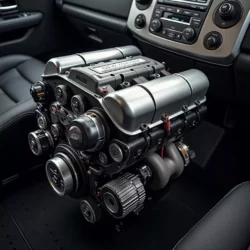
A detailed illustration of a car engine's cooling system, highlighting the role of coolant.
Frequently Asked Questions About Car Coolant:
1. What Types of Coolant Are Available?
There are two main types of coolant on the market:
- Pure Coolant: This type is made from distilled water and additives that prevent freezing and corrosion. It’s generally less expensive and readily available.
- Pre-mixed Coolant: This type is pre-mixed and contains distilled water, antifreeze, anti-corrosion agents, and other additives. It offers the convenience of not requiring mixing.
2. Which Type of Coolant Should I Use for My Car?
For optimal performance and safety, it’s recommended to use pre-mixed coolant from reputable brands. Choose a coolant that’s compatible with your engine type and climate conditions.
3. How to Check Car Coolant Levels?
You can check your coolant level by:
- Checking the Coolant Level: Open the coolant reservoir cap and check the fluid level. It should be within the designated range.
- Checking the Coolant Color: Fresh coolant is typically green or pink. If it’s cloudy, black, or contains debris, it needs to be replaced.
- Checking the Coolant Temperature: You can use a thermometer to check the coolant temperature. It should be within the recommended range.
4. How to Replace Car Coolant?
Replacing car coolant is relatively simple. Follow these steps:
- Preparation: Gather new coolant, pliers, rags, and a coolant drain pan.
- Drain the Old Coolant: Open the coolant reservoir cap and drain the old coolant.
- Clean the Coolant Reservoir: Rinse the reservoir with clean water.
- Add New Coolant: Add new coolant to the reservoir up to the designated level.
- Check the Coolant Level: Verify the coolant level after adding new coolant.
5. Important Considerations When Using Car Coolant:
- Never use plain water as a substitute for coolant.
- Don’t open the coolant reservoir cap when the engine is hot.
- Replace coolant regularly according to the manufacturer’s recommendations.
- Use the appropriate coolant type for your engine and climate.
A person checking the coolant level in a car's reservoir.
Related Questions About Car Coolant:
- Does coolant affect car engine performance?
- How to check car coolant levels?
- How to change car coolant?
- What type of coolant should I use for my car?
Related Car Coolant Products:
- Pure coolant
- Pre-mixed coolant
- Coolant reservoir
- Radiator
Need Assistance? Contact Us Now!
If you have any questions about car coolant, contact us for 24/7 support. Xe Tải Hà Nội is always ready to assist you with optimal solutions for your vehicle.
Visit our website https://xetaihanoi.edu.vn/cach-kiem-tra-nuoc-mat-xe-o-to/ to learn more about how to check your car’s coolant. You can also refer to related articles on https://xetaihanoi.edu.vn/nuoc-rua-kinh-xe-o-to-life-care-vn/, https://xetaihanoi.edu.vn/mua-nuoc-lam-mat-o-to/, https://xetaihanoi.edu.vn/ban-nuoc-lam-mat-o-to/, https://xetaihanoi.edu.vn/cach-cham-nuoc-rua-kinh-xe-o-to/ on the Xe Tải Hà Nội website.
Share this article with your friends to enhance their knowledge about car coolant!