“Which car runs smoothly? Which car is durable? Which car suits my job?”, these seemingly simple questions often confuse many when choosing the right car type. Because the current market is extremely diverse, from compact cars to robust trucks, each type has its own advantages and disadvantages. This article will help you better understand car types, thereby making a wise choice for your needs.
Why Understanding Car Types Matters
Distinguishing car types is not just about understanding the structure or function of each type of vehicle, but also about understanding the needs and purposes of each individual and business.
- Psychological Aspect: Choosing the right car type for your needs will bring satisfaction and comfort, helping users feel confident and secure when traveling.
- Economic Aspect: Understanding the characteristics, advantages, and disadvantages of each car type will help you make optimal choices in terms of cost, fuel efficiency, and maintenance expenses.
- Feng Shui Aspect: According to Feng Shui beliefs, each car type carries its own meaning and can bring good luck or affect the user’s destiny. For example, red cars are often believed to bring good luck and prosperity, while black cars symbolize authority and power.
Understanding Car Type Classifications
Simply put, car types are classified based on their intended use, structure, and carrying capacity.
1. Classification by Purpose of Use
- Passenger Car: The most common type of vehicle, designed to serve personal or family transportation needs. Passenger cars come in various styles, sizes, and features, suitable for many different uses.
- Truck: Specialized vehicles for transporting goods, classified by payload, size, and cargo box type. Trucks typically have a robust structure and powerful engines, suitable for activities requiring heavy cargo transport.
- Bus: Specialized vehicles for transporting passengers, commonly used in public transportation or tourism. Buses usually have many seats, high safety systems, and powerful engines to carry a large number of passengers.
- Special Purpose Vehicles: Vehicles designed to serve specific purposes, such as ambulances, fire trucks, construction vehicles, dump trucks, and fuel tankers…
2. Classification by Structure
- Front-Wheel Drive (FWD): Vehicles with the engine located at the front and only the front wheels driven. FWD cars typically have a low center of gravity, are fuel-efficient, easy to control, and suitable for passenger cars and compact cars.
- Rear-Wheel Drive (RWD): Vehicles with the engine located at the front or rear, and the rear wheels driven. RWD cars often have good road grip, suitable for vehicles requiring strong pulling power, such as pickups and trucks.
- All-Wheel Drive (AWD): Vehicles with all four wheels driven. AWD cars generally have better road grip, suitable for complex terrains, such as SUVs and off-road vehicles.
3. Classification by Carrying Capacity
- Light Truck: Trucks with a payload of under 3.5 tons, commonly used for transporting small goods or for small business purposes.
- Medium Truck: Trucks with a payload from 3.5 to 10 tons, typically used in long-haul freight transportation, transporting large volumes of goods.
- Heavy Truck: Trucks with a payload of over 10 tons, usually used for transporting heavy and oversized goods.
Frequently Asked Questions
1. Which truck should I choose for transporting goods within the city?
- If you are transporting light goods, moving within the city, and need flexibility and fuel efficiency, you should choose a light truck.
- If you are transporting heavy goods, traveling long distances, and need strength and good load capacity, you should choose a medium or heavy truck.
2. Which truck is suitable for transporting fragile goods?
- If you are transporting fragile goods, you should choose a truck with an enclosed cargo box, designed to be insulated and have a good shock absorption system to protect goods during transportation.
3. Which truck should I choose for carrying bulky goods?
- If you need to carry bulky goods, you should choose a truck with a long, wide cargo box, or you can use a dump truck or a lift-gate truck to accommodate the size of the goods.
4. How to distinguish between different types of trucks?
- You can distinguish between different types of trucks based on payload, size, cargo box type, manufacturer, engine, etc.
5. Which truck brand should I choose?
- Currently, there are many famous truck brands on the market such as: Isuzu, Hyundai, Hino, Thaco, Foton, Dongfeng… Each brand has its own advantages and disadvantages. You should choose a truck brand that suits your needs and financial capabilities.
Suggested Further Reading
You can learn more about truck-related topics on the website xetaihanoi.edu.vn:
- [Link to related article 1]
- [Link to related article 2]
- [Link to related article 3]
Call to Action
Are you looking for a truck type that suits your needs? Contact XE TẢI HÀ NỘI Dealer or call the Hotline: 0968 239 999 for advice and support in choosing the right vehicle.
Conclusion
Distinguishing car types is essential for you to choose the right vehicle for your needs. Hopefully, the above information has helped you better understand car types and make an appropriate choice.
Please share this article with your friends and relatives if you find it helpful. Don’t forget to leave a comment below to share your thoughts on this topic.
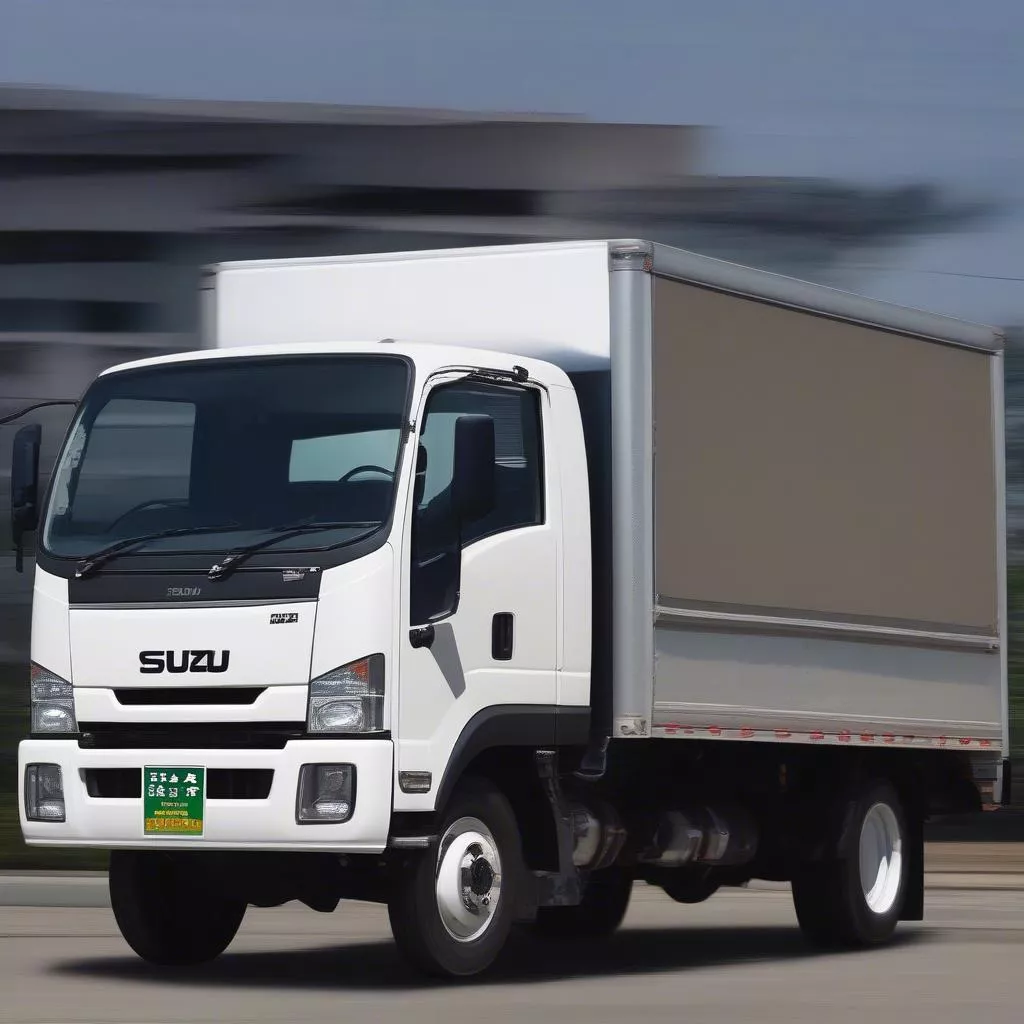
Imported Isuzu truck
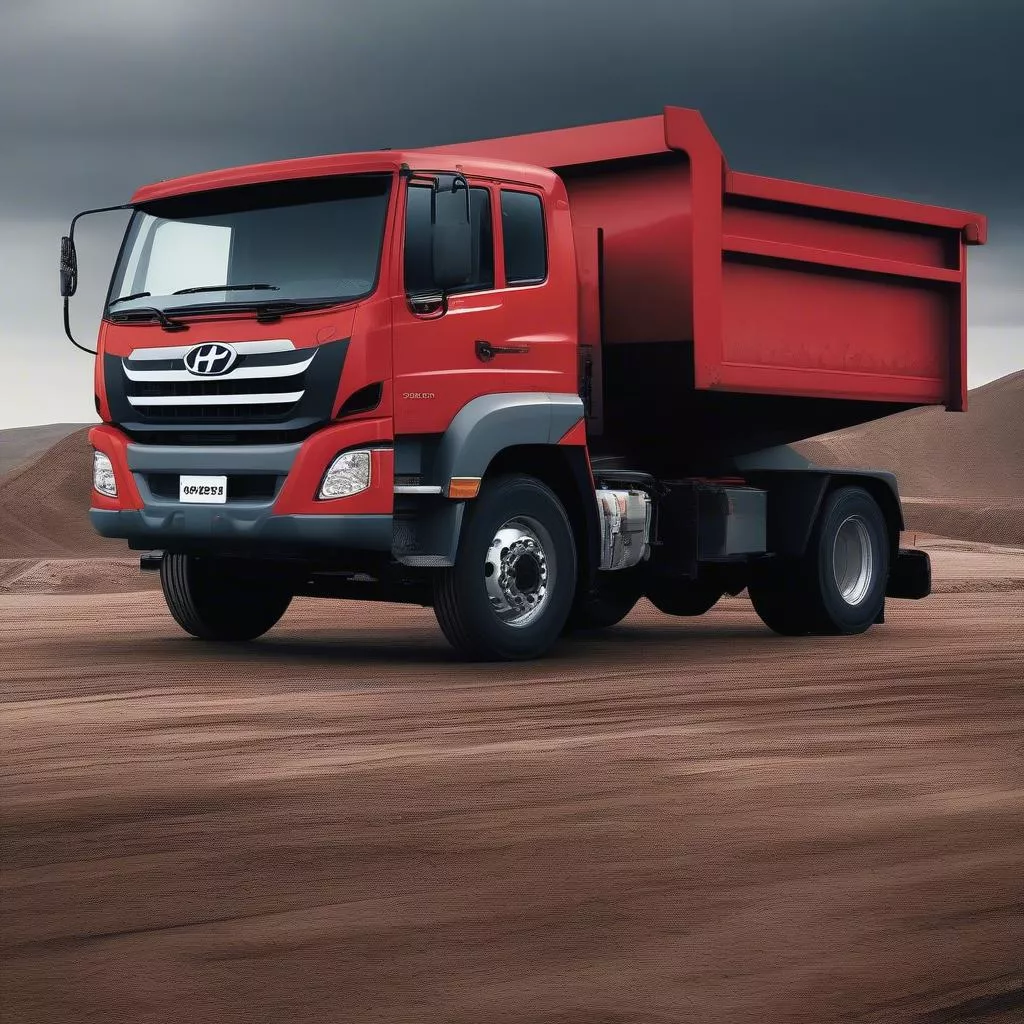 Hyundai dump truck
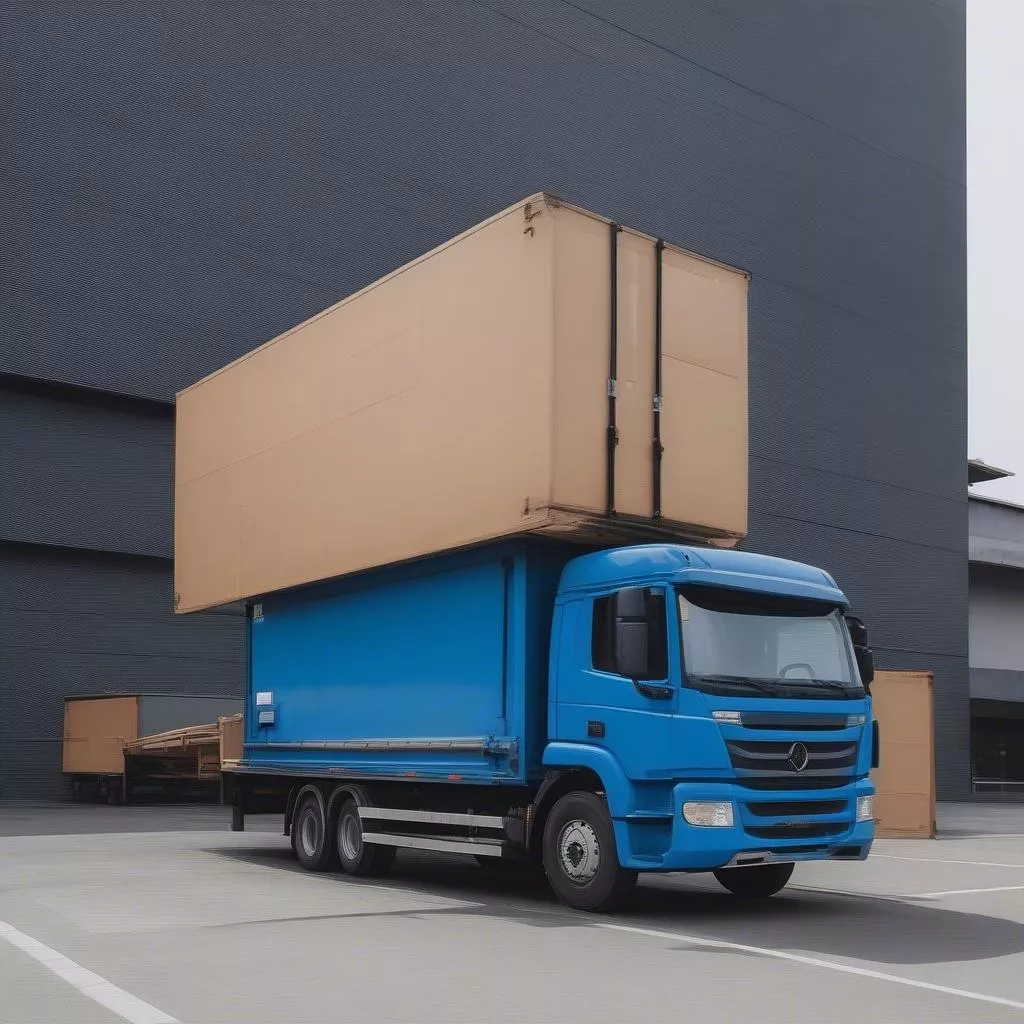 Truck with canopy









