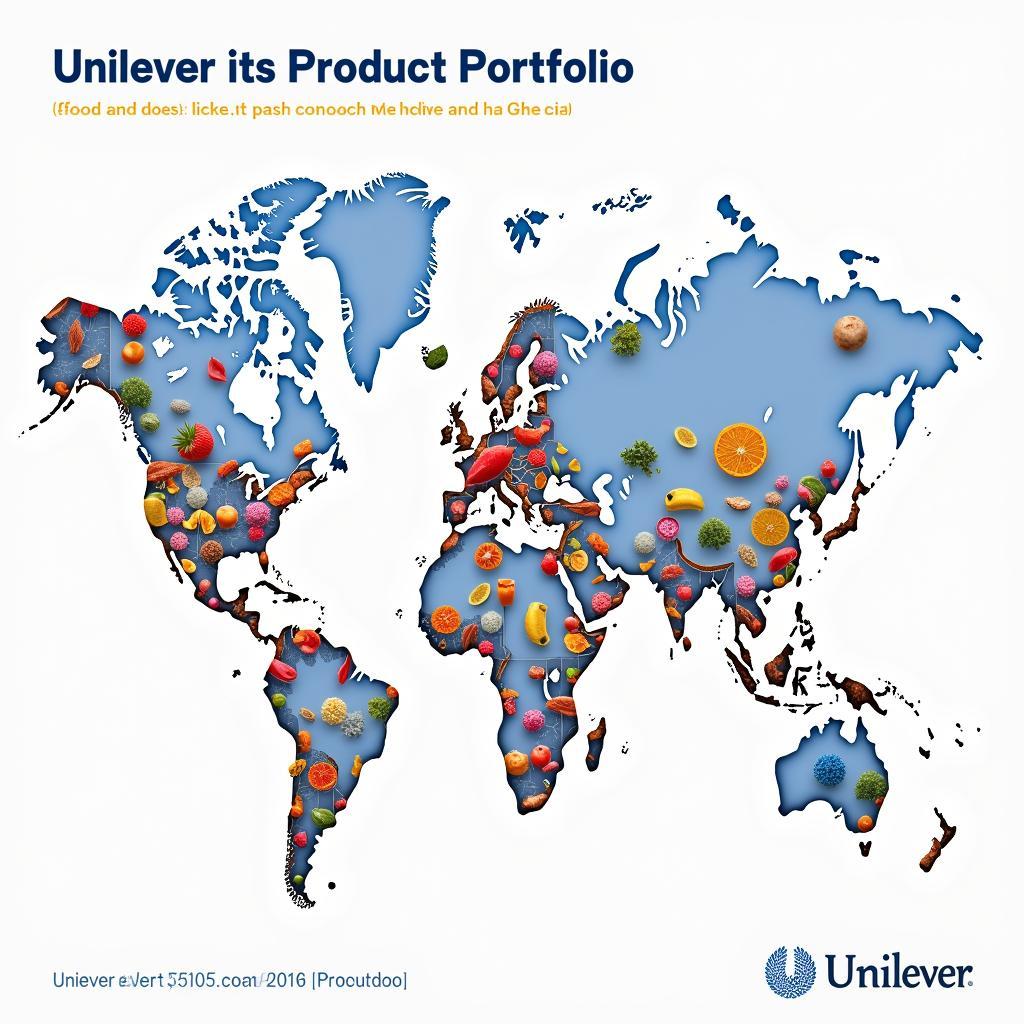
Analyzing Unilever’s product policy is crucial to understanding the business strategy of one of the world’s largest Fast-Moving Consumer Goods (FMCG) companies. Unilever boasts a diverse product portfolio, catering to the daily needs of billions of consumers globally.
Unilever’s Product Diversification Strategy
Unilever employs a product diversification strategy encompassing food, beverages, personal care, and home care. This strategy mitigates the risks of relying on a single product category and capitalizes on growth opportunities across various markets. Unilever continuously researches and develops new products and improves existing ones to meet the ever-changing needs of consumers.
Target Market Segmentation
Unilever segments its target market based on factors like demographics, geography, consumer behavior, and lifestyle. Market segmentation enables Unilever to better understand the needs and desires of each customer group, thereby developing tailored products and marketing strategies. For instance, Unilever offers products specifically for premium, mid-range, and budget markets.
Brand and Product Positioning
Unilever cultivates strong brands and establishes clear product positioning in consumers’ minds. Each Unilever brand possesses unique core values and messaging. For example, Dove promotes natural beauty and self-confidence, while Omo focuses on superior cleaning power.
Unilever's diversified product portfolio
Unilever’s Pricing and Distribution Policy
Unilever implements a flexible pricing policy tailored to each market segment and competitive landscape. The company also maintains an extensive distribution network, ensuring products reach consumers quickly and conveniently.
Key Distribution Channels
Unilever utilizes diverse distribution channels, ranging from traditional channels like grocery stores to modern channels like supermarkets and e-commerce platforms. Unilever also invests in developing its own distribution channels to enhance control and optimize distribution efficiency.
Marketing and Sales Promotion Strategies
Unilever invests heavily in marketing and sales promotion to build brands, advertise products, and attract customers. The company employs various communication channels, from television and print advertising to social media and digital marketing.
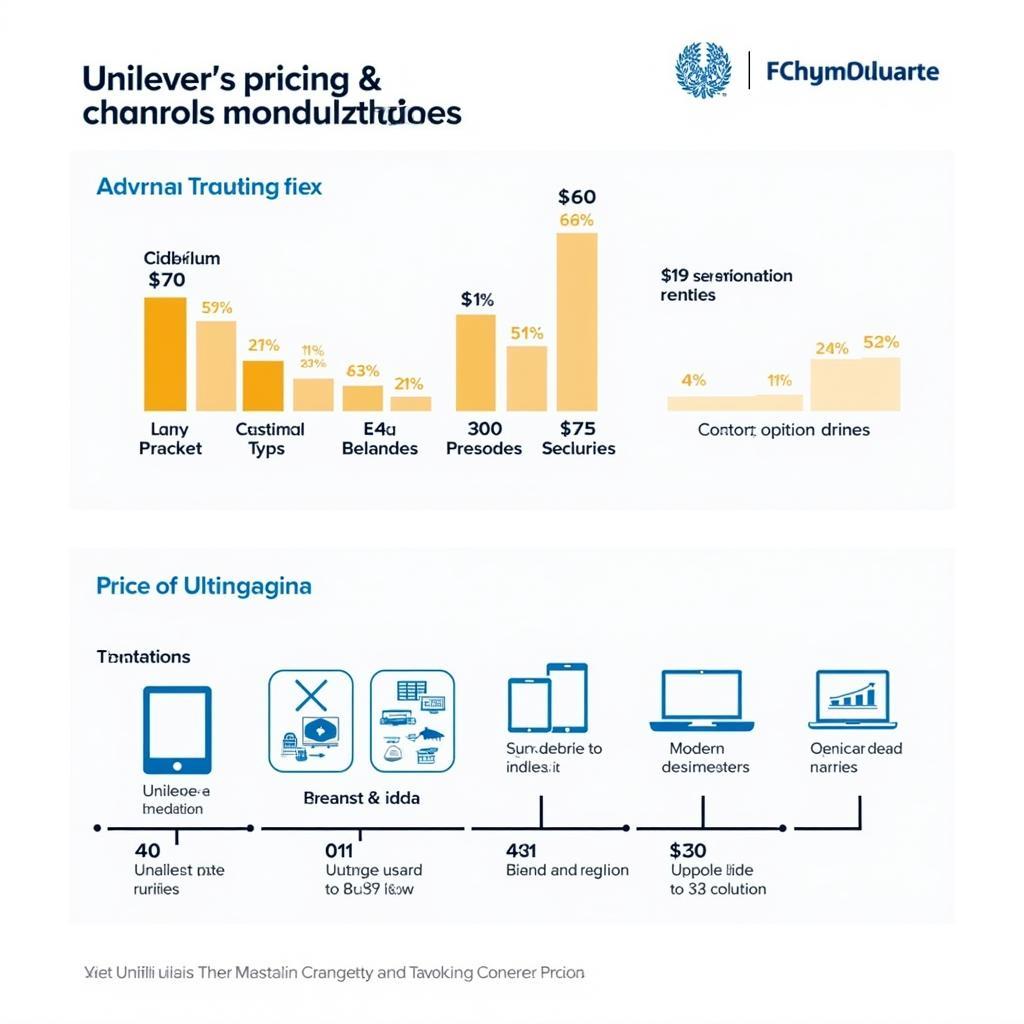 Unilever's pricing and distribution strategy
Sustainability and Corporate Social Responsibility
Unilever is committed to sustainable development and corporate social responsibility. The company aims to minimize its environmental impact, utilize sustainable resources, and contribute positively to the community.
Sustainable Development Initiatives
Unilever implements numerous sustainable development initiatives, such as reducing greenhouse gas emissions, using environmentally friendly packaging, and supporting local farmers.
“Sustainable development is not just a trend but a corporate responsibility to society and the environment.” – Mr. Nguyen Van A, Marketing Expert at Unilever Vietnam.
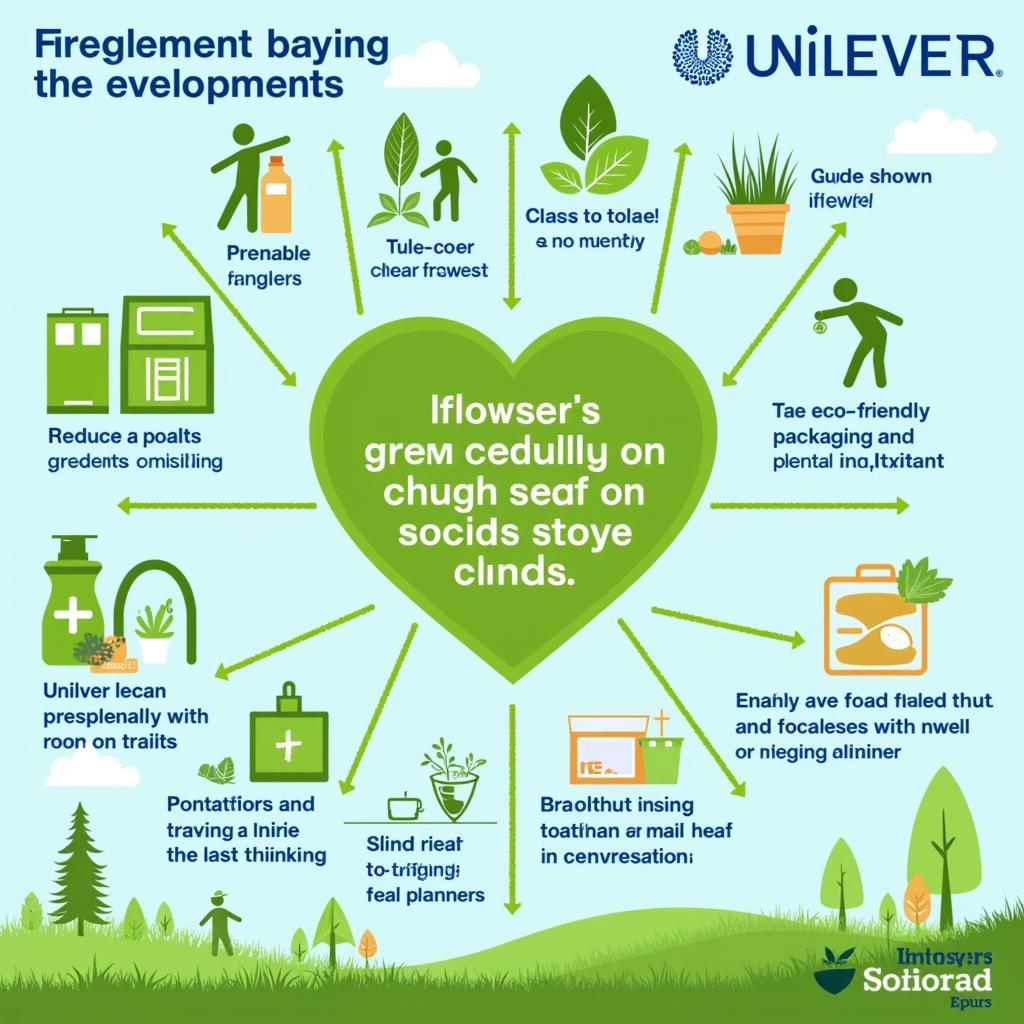 Unilever's sustainability initiatives
Conclusion
Analyzing Unilever’s product policy reveals that the company focuses not only on profits but also on sustainable development and social responsibility. Its diversified product strategy, clear brand positioning, and extensive distribution network enable Unilever to maintain its leading position in the global FMCG industry.
FAQ
- What products does Unilever offer?
- What is Unilever’s marketing strategy?
- What are Unilever’s commitments to sustainable development?
- Through which channels does Unilever distribute its products?
- What is Unilever’s pricing policy?
- What corporate social responsibility activities does Unilever engage in?
- How can I learn more about Unilever?
Common Customer Questions
Customers frequently inquire about product origins, ingredients, benefits, and usage instructions. They are also interested in promotions and return policies.
Related Content Suggestions
Explore our website for more information on box trucks, light-duty trucks, cargo vans, and various truck models with capacities of 1 ton, 2 tons, 3.5 tons, and 8 tons.









