Policy analysis is a crucial process for evaluating the effectiveness and impact of policies. It provides a framework for understanding the problem, goals, and outcomes of a specific policy.
Fundamental Steps in Policy Analysis
Policy analysis involves multiple steps, from problem definition to impact assessment. Here are some key steps:
- Problem Definition: The first step is to clearly and specifically define the problem that the policy aims to address.
- Goal Setting: After identifying the problem, establish specific, measurable, achievable, relevant, and time-bound (SMART) goals for the policy.
- Solution Generation: Propose various solutions to achieve the established goals. Each solution should be analyzed for feasibility, cost, and benefits.
- Optimal Solution Selection: Based on the analysis, select the most effective solution, balancing effectiveness, cost, and feasibility.
- Policy Implementation: After choosing a solution, implement the policy. The implementation process requires monitoring and adjustments as needed.
- Impact Assessment: Evaluate the policy’s impact on stakeholders after implementation. This assessment determines the policy’s effectiveness and suggests improvements.
Common Policy Analysis Methods
Various policy analysis methods exist, each with its strengths and weaknesses. Some common methods include:
- Cost-Benefit Analysis: This method compares a policy’s costs and benefits to determine its economic efficiency.
- Impact Analysis: This method assesses the policy’s effects on stakeholders, including economic, social, and environmental impacts.
- SWOT Analysis: This method analyzes the strengths, weaknesses, opportunities, and threats of a policy.
Policy Analysis in Transportation
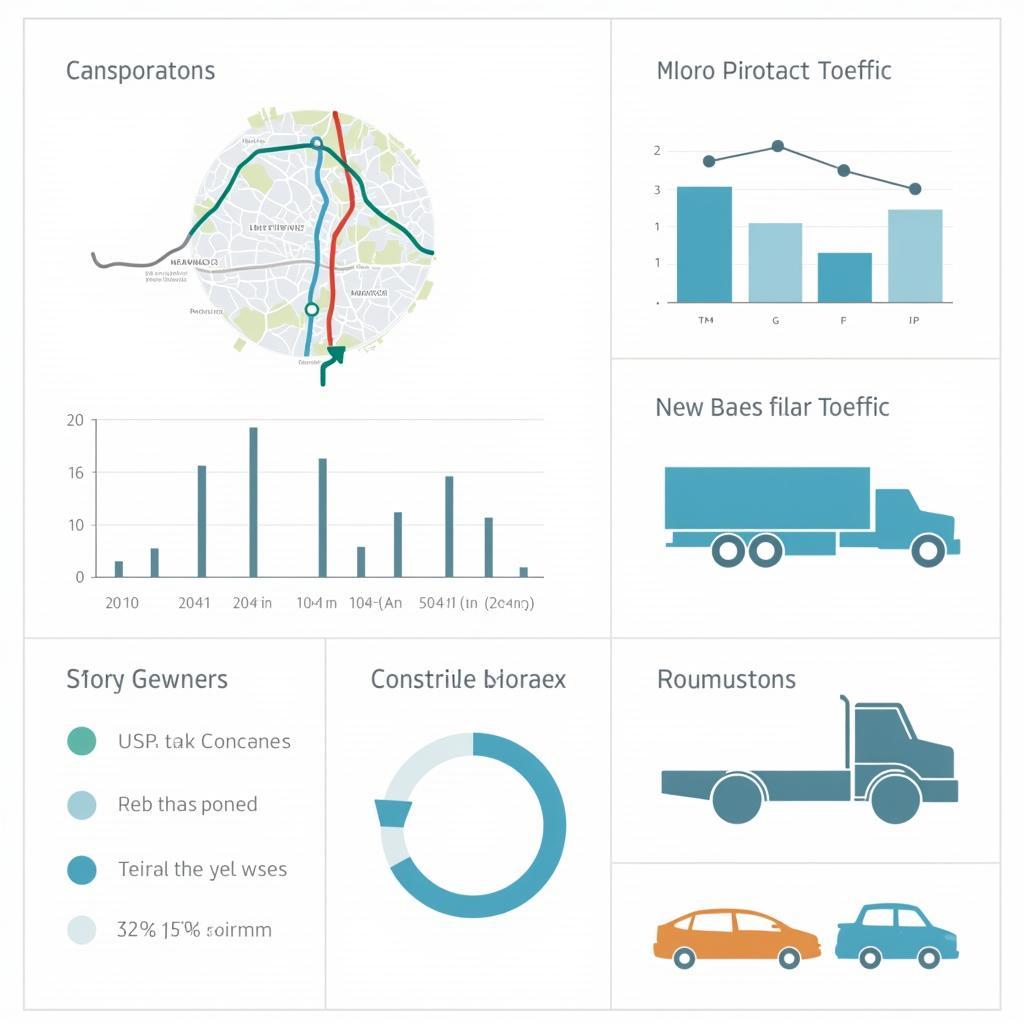
In the transportation sector, policy analysis evaluates policies related to traffic, freight, and logistics. For example, it can assess the impact of toll increases on traffic flow or the effectiveness of policies promoting electric truck adoption. Similar to import and export policies and regulations, transportation policy analysis considers various factors.
Transportation policy analysis
Importance of Policy Analysis Methods
Policy analysis methods are crucial for ensuring policies are developed and implemented effectively. They help:
- Enhance Policy Effectiveness: By clearly defining problems and objectives, policy analysis helps ensure policies achieve their intended goals.
- Cost Savings: Cost-benefit analysis identifies economically optimal solutions.
- Ensure Transparency and Accountability: The analysis process promotes transparency in decision-making and enhances policymakers’ accountability. Similar to the responsibilities of a policy review board, policy analysis requires transparency and objectivity.
Conclusion
Policy analysis is a vital tool for evaluating and improving policy effectiveness. Applying these methods ensures policies meet societal needs and achieve their objectives. Understanding policy analysis is essential for policymakers, researchers, and citizens. Similar to changes in turnkey contract policies, policy analysis facilitates sound and effective decision-making. Just like understanding the scientific basis of monetary policy, analyzing policies in other areas requires in-depth knowledge and scientific methodology.
For assistance, contact us at Phone: 0968239999, Email: [email protected], or visit us at: TT36 – CN9 Road, Tu Liem Industrial Park, Phuong Canh Ward, Nam Tu Liem District, Hanoi. We have a 24/7 customer service team.









