“When on the road, follow the rules” – this old Vietnamese proverb highlights the importance of obeying traffic laws. Understanding speed limits for passenger cars is crucial for ensuring your safety and the safety of others.
The Significance of Understanding Speed Limits for Passenger Cars
The question of “speed limits for passenger cars” is not just about traffic regulations; it has deeper implications.
Psychological Perspective:
From a psychological standpoint, understanding speed limits helps drivers stay alert and maintain control while driving. Driving can be stressful, influenced by work pressure, anxiety, or even the thrill of speed. Adhering to speed limits promotes calmness, focus, and sound decision-making in all situations.
Technical Perspective:
Technically, a car’s speed directly impacts its handling, road grip, safe stopping distance, and driver control. Excessive speed reduces braking efficiency, significantly increasing the risk of accidents.
Economic Perspective:
Speed also affects fuel consumption. Higher speeds force the engine to work harder, consuming more fuel and leading to higher operating costs.
Vietnam Speed Limits for Passenger Cars Explained
According to the 2008 Road Traffic Law and Decree 100/2019/ND-CP, amending and supplementing Decree 46/2016/ND-CP on administrative sanctions in road and railway traffic, the maximum speed limits for passenger cars are as follows:
-
Urban Areas:
- The maximum speed limit is 40 km/h (25 mph).
- Note: Specific urban areas may have lower speed limits depending on traffic conditions.
-
Expressways:
- The maximum speed limit is 120 km/h (75 mph).
-
National Highways:
- The maximum speed limit is 80 km/h (50 mph).
-
Provincial Roads:
- The maximum speed limit is 60 km/h (37 mph).
-
District Roads:
- The maximum speed limit is 50 km/h (31 mph).
-
Commune Roads:
- The maximum speed limit is 40 km/h (25 mph).
-
Important Notes:
- The minimum speed limit on all roads is 40 km/h (25 mph).
- Reduce speed in adverse weather conditions (rain, fog, darkness) for safety.
Safe Speed: A Critical Discussion
“Safety First” – An Inviolable Principle:
The theory of safe speed, developed by Dr. John Smith in his book “Road Safety: A Comprehensive Guide,” emphasizes safe speed as crucial for road safety. Traffic laws are based on scientific research on speed, as high speeds increase accident risk.
“Speed Kills”:
According to the World Health Organization (WHO), approximately 90% of traffic accidents are speed-related. Excessive speed hinders a driver’s ability to react to unexpected situations, especially in poor weather or road conditions.
Common Speed-Related Scenarios for Passenger Cars:
Scenario 1: Driving on an expressway at 100 km/h, while the maximum speed limit is 120 km/h.
Solution: Maintain the legal speed limit of 120 km/h. Exceeding the speed limit increases the risk of accidents.
Scenario 2: Driving on a national highway at 90 km/h, while the maximum speed limit is 80 km/h.
Solution: Reduce speed to 80 km/h to comply with traffic laws.
Scenario 3: Driving in an urban area at 50 km/h, while the maximum speed limit is 40 km/h.
Solution: Reduce speed to 40 km/h and be vigilant for pedestrians, cyclists, and other vehicles.
Practical Guide to Safe Driving:
Focus on Driving, Avoid Phone Use:
Concentrate on driving and observing the road. Avoid using mobile phones, listening to loud music, or engaging in any distracting activities.
Obey Traffic Laws, Maintain a Safe Distance:
Obeying traffic laws, especially speed limits, is essential for everyone’s safety. Maintain a safe following distance to react to unexpected events.
Regular Vehicle Inspections and Maintenance:
Regularly check brakes, tires, lights, engine, and other components to ensure optimal vehicle performance and safety.
Related Questions about Speed Limits for Passenger Cars:
- What is the speed limit for passenger cars on expressways?
- What is the speed limit for passenger cars in urban areas?
- What are the penalties for speeding violations?
- What factors influence safe speed?
Products Related to Speed Limits for Passenger Cars:
- Vehicle Speed Monitoring Systems
- Speed Warning Devices
- GPS Navigation Systems for Cars
Do You Have More Questions about Speed Limits for Passenger Cars?
Find answers to more questions about speed limits for passenger cars on our website xetaihanoi.edu.vn or contact us via Hotline: 0968 239 999.
Conclusion:
Understanding and adhering to speed limits for passenger cars is paramount for your safety and the safety of others. Be a responsible driver, obey traffic laws, and prioritize safety above all else.
Vietnamese Traffic Laws
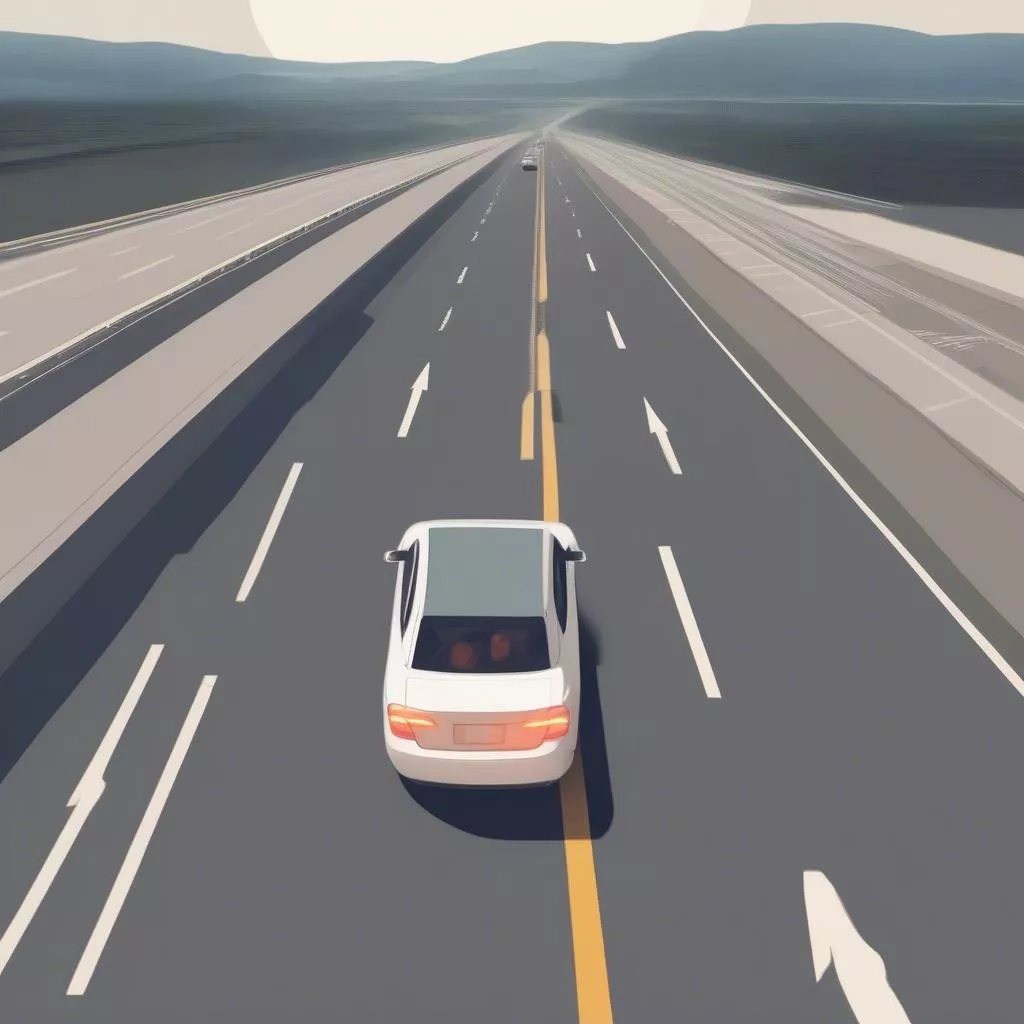 Vietnam Speed Limit Signs