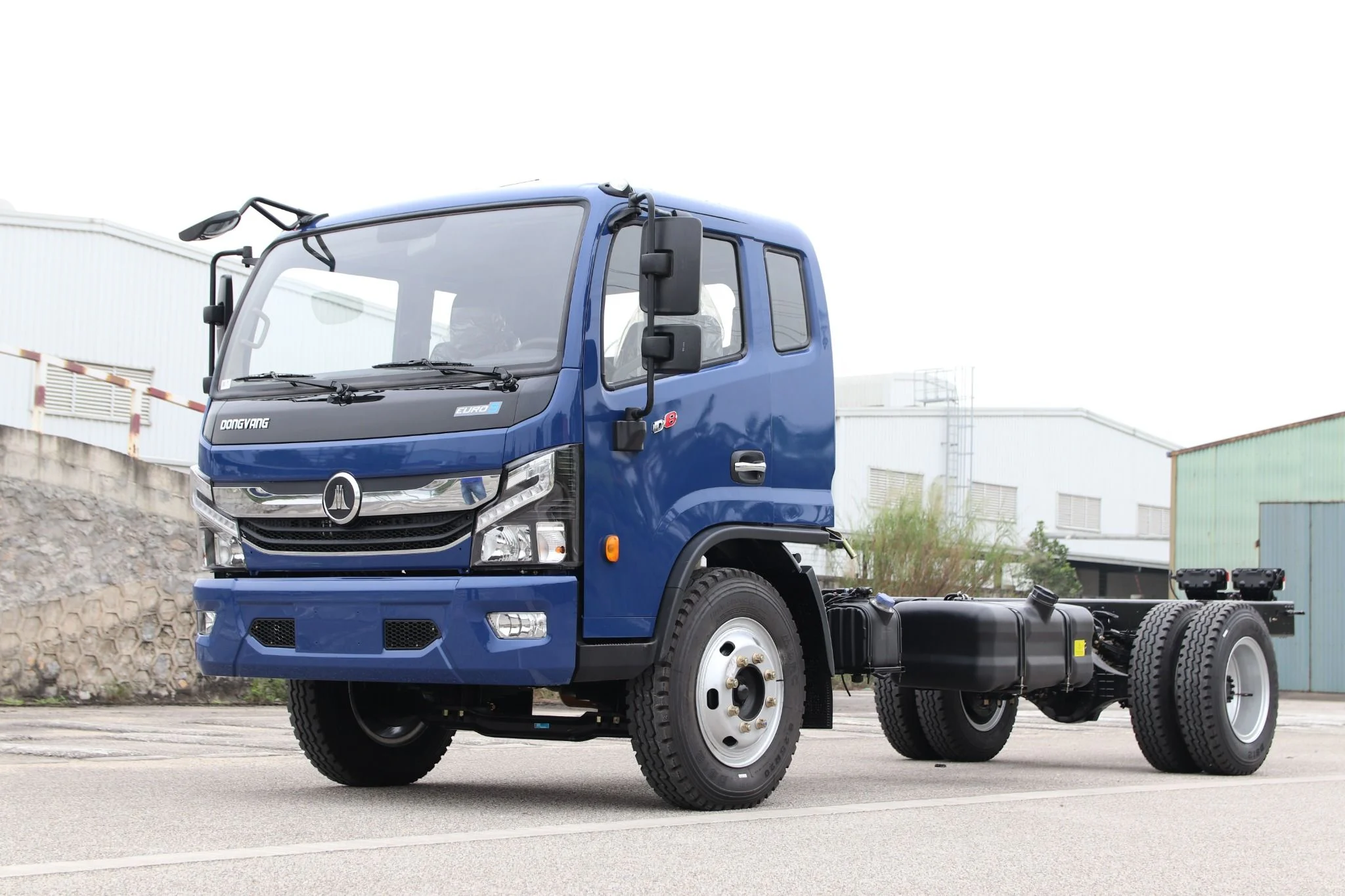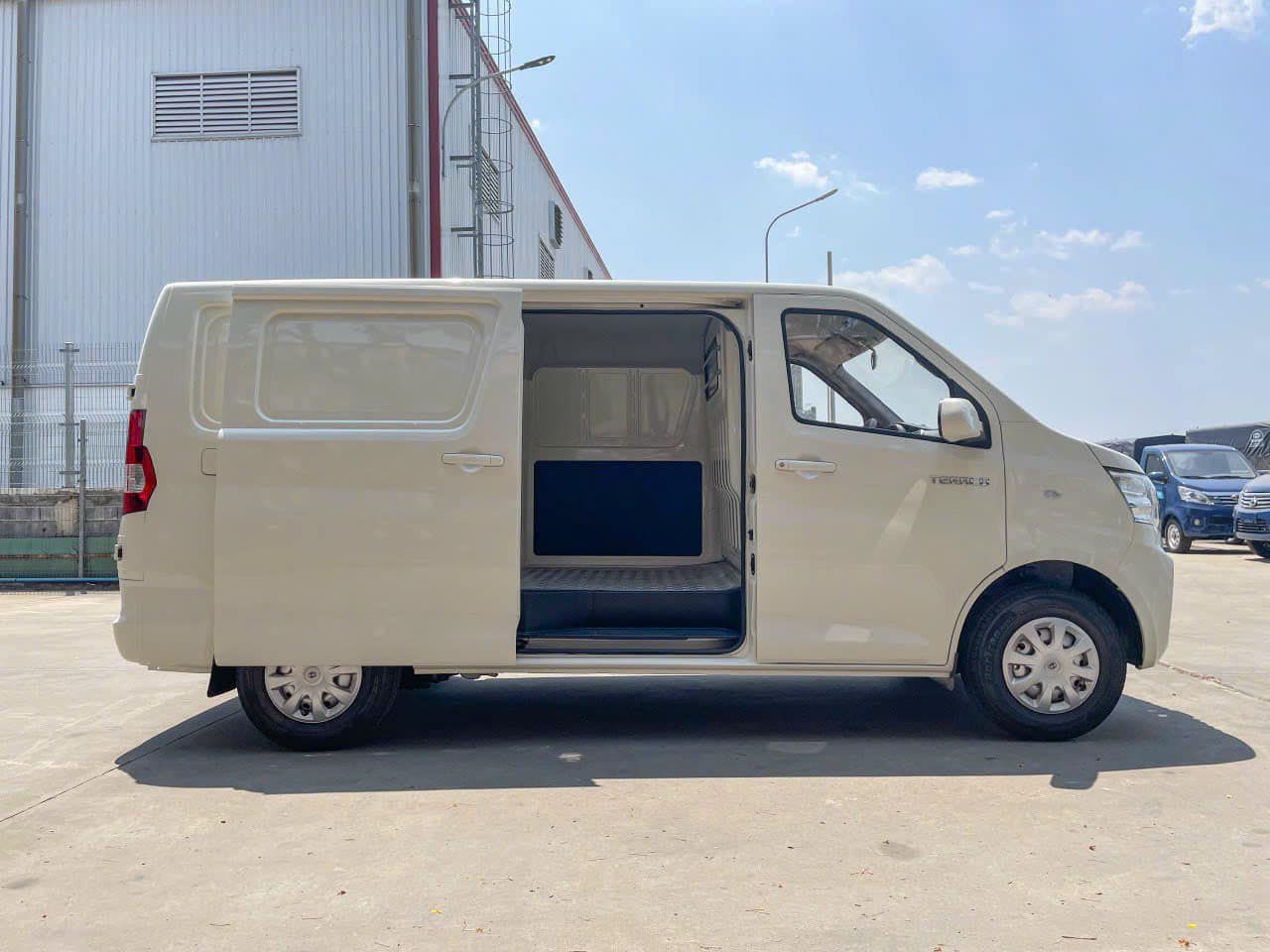
Government policies play a crucial role in shaping the truck market, influencing everything from pricing and production to the supply and demand for various truck types, including box trucks, light-duty trucks, vans, and trucks with capacities of 1 ton, 2 tons, 3.5 tons, and 8 tons. Government regulations, encompassing emission standards, import taxes, and financial incentives, can significantly impact the trucking industry.
Emission regulations are becoming increasingly stringent, requiring manufacturers to invest in cleaner technologies. While this can increase production costs, it also fosters the development of environmentally friendly trucks. Poverty Reduction Policy Impact Assessment Report. For instance, the implementation of Euro 5 emission standards has compelled truck manufacturers to upgrade engines and exhaust systems, leading to the introduction of newer, more modern truck models in the market.
Impact of Tax Policies on the Trucking Industry
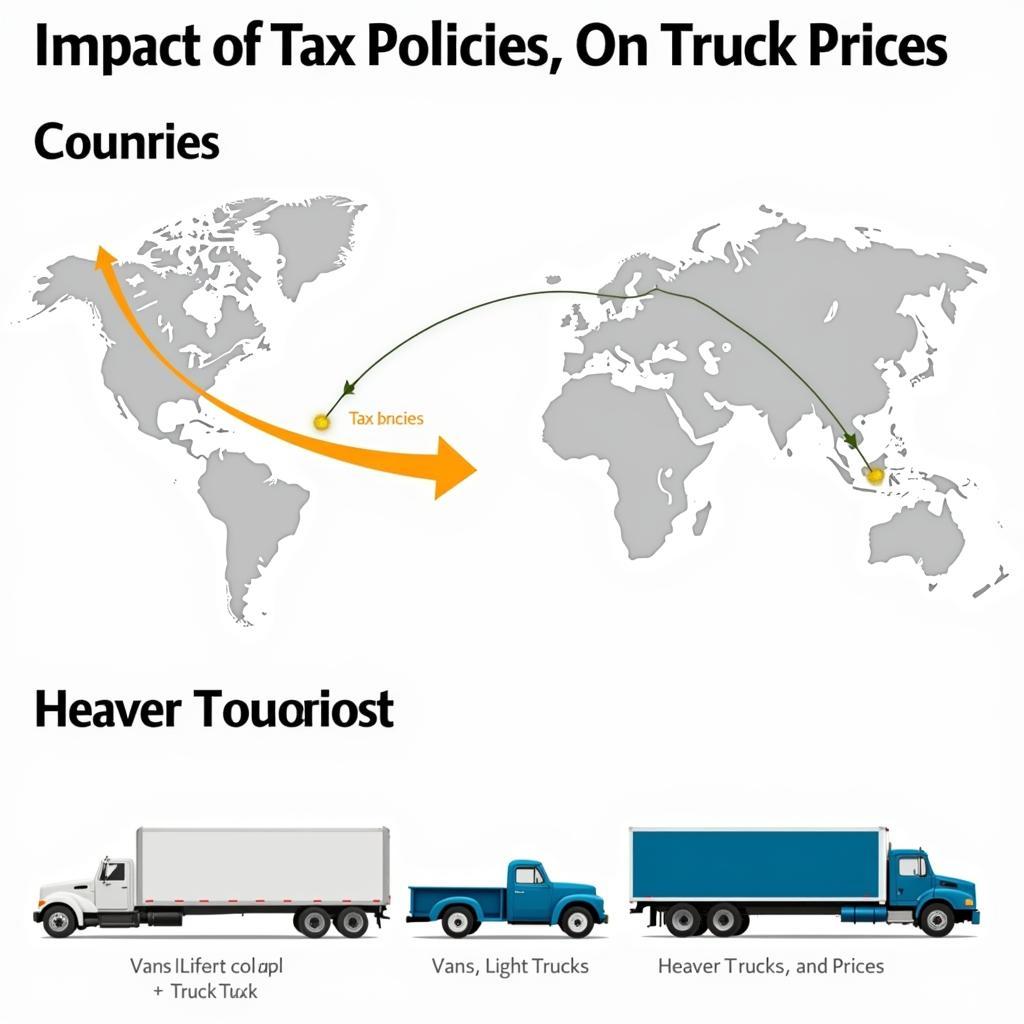
Import taxes and other fees significantly influence truck prices. Preferential tax policies can encourage truck imports, while high taxes can protect the domestic market. This directly impacts purchasing decisions, particularly for transportation companies.
Adjustments to registration fees and other taxes also affect truck prices. When taxes and fees decrease, consumers tend to purchase more vehicles, stimulating market growth. Conversely, when taxes increase, demand for trucks may decline.
Impact of tax policies on truck prices
Financial Support Policies for Transportation Businesses
Financial support policies, such as preferential loan programs, can facilitate access to capital for transportation companies to purchase new trucks. This is particularly crucial for small and medium-sized enterprises, enabling them to enhance their transportation capacity and competitiveness. Negative Impacts of Monetary Policy in 2016. For example, programs supporting interest rates on truck loans have helped many transportation businesses reduce their financial burden and invest in modern vehicles.
Transportation Planning and Infrastructure Policies
Transportation planning and infrastructure development policies also affect the trucking industry. The construction of highways and new roads shortens transportation times, reduces logistics costs, and increases the operational efficiency of transportation companies.
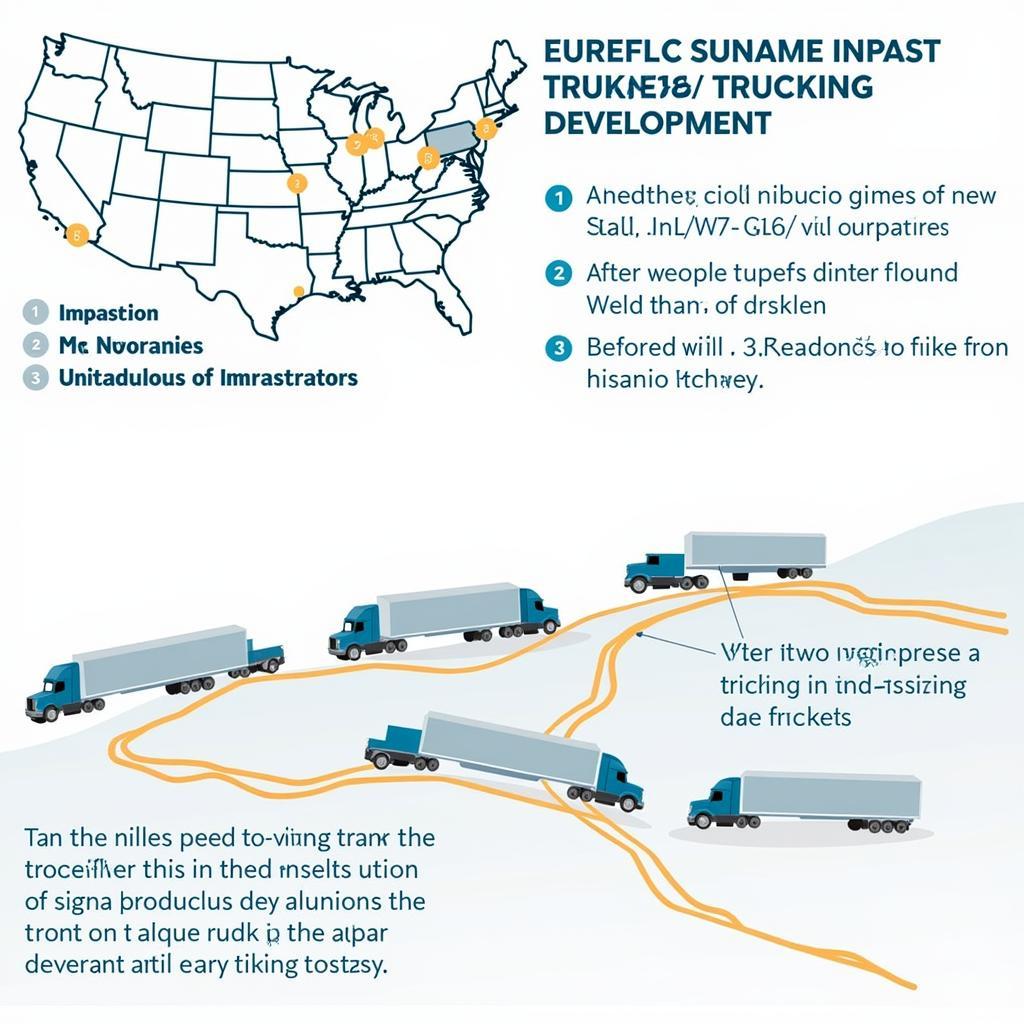 Impact of transportation planning and infrastructure on the trucking industry
Nguyen Van A, a transportation economics expert, stated: “Investing in transportation infrastructure not only facilitates the transportation sector but also contributes to the socio-economic development of the entire country.”
Impact of Climate Change Policies
Climate change policies are gaining increasing attention, Climate Change Policies encouraging the use of environmentally friendly vehicles. This drives the development of electric trucks and trucks using clean fuels, contributing to reducing environmental pollution.
Tran Thi B, Director of XYZ Transportation Company, shared: “We are considering investing in electric trucks to meet environmental protection requirements and enhance the company’s image.” Public Investment Tightening Policy in 2012. This shift requires transportation businesses to adapt and seek sustainable transportation solutions. Decree 136 on Social Policy Support
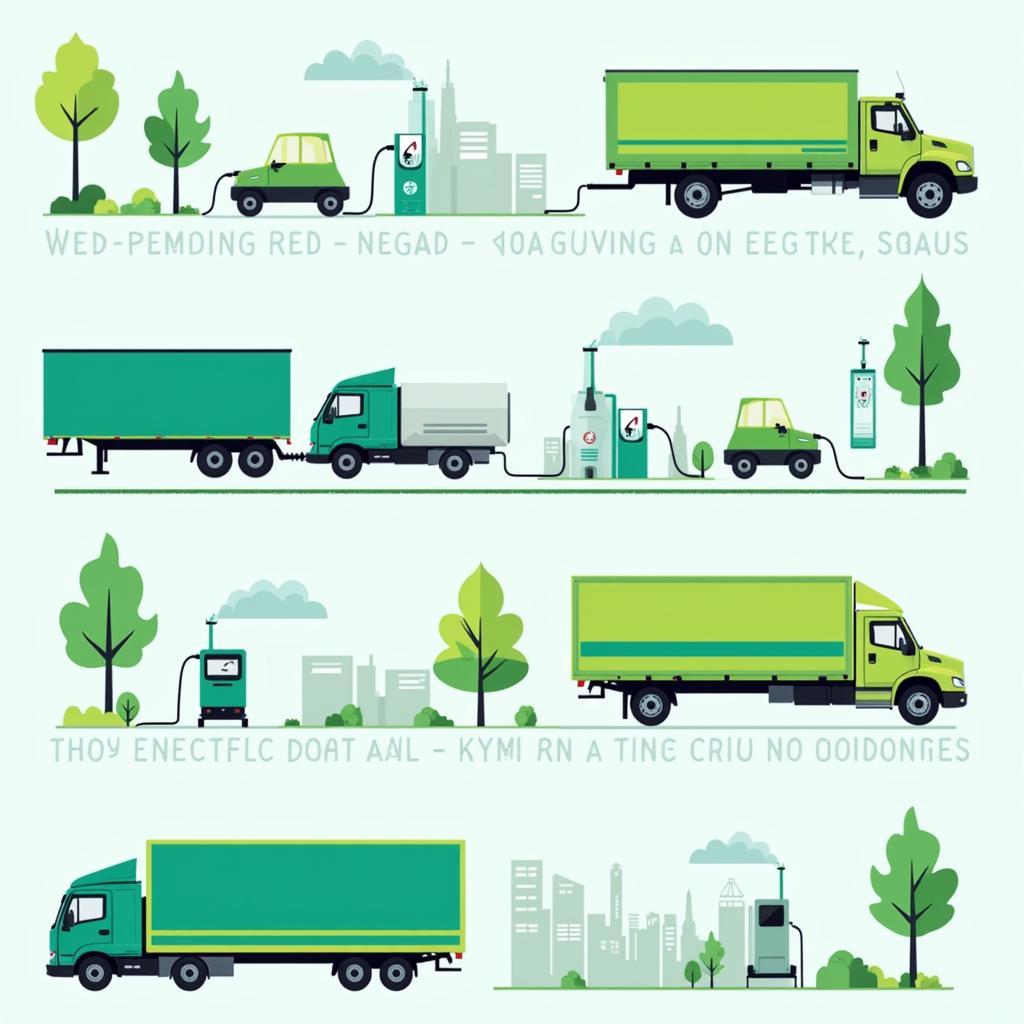 Impact of climate change policies on the transportation industry
Conclusion
In summary, government policies have a profound impact on the truck market. Understanding and analyzing these policies is crucial for transportation businesses to make effective business decisions and achieve sustainable development.
FAQ
- How do emission regulations affect truck prices?
- What financial support programs are available for transportation companies purchasing trucks?
- How do import tax policies impact the domestic truck market?
- How can transportation businesses adapt to climate change policies?
- What role does transportation planning play in the development of the transportation industry?
- Which types of trucks qualify for tax incentives?
- Where can I learn more about transportation support policies?
Common Questions and Scenarios
Customers often inquire about support policies when purchasing trucks, loan procedures, vehicle registration, and transportation regulations. We are always ready to answer all customer inquiries.
Suggested Related Articles and Resources
You can explore related topics such as truck reviews, truck comparisons, used truck buying guides, and other articles on transportation policies on our website.