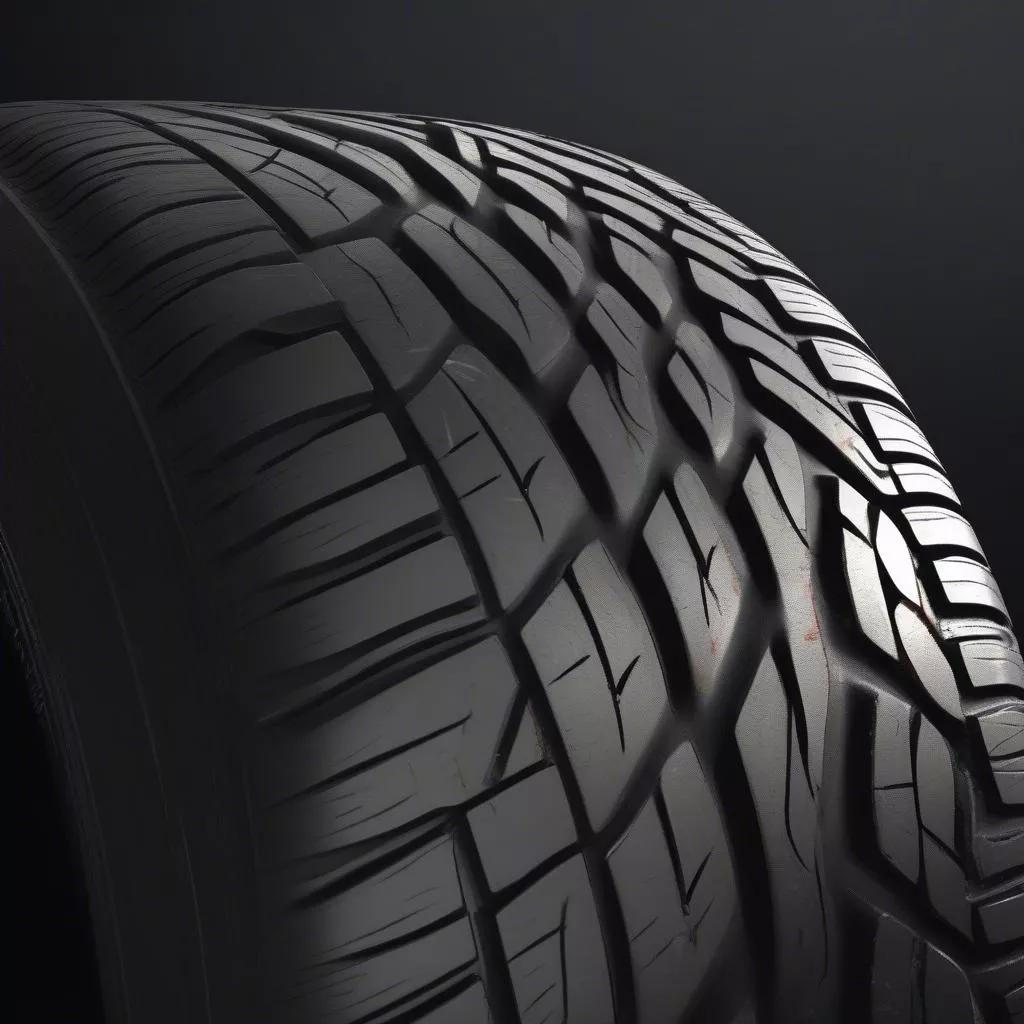
Have you ever wondered why tires have different grip levels? Some tires are firm and provide excellent traction, while others are softer and more prone to slipping, especially in wet or slippery conditions. Understanding tire grip isn’t just about the tire’s hardness or softness; it’s a complex issue with crucial factors that directly impact your safety on the road.
The Meaning of “Tire Grip”
“Tire grip” refers to a tire’s ability to adhere to the road surface, directly affecting vehicle control, especially at higher speeds.
Tire Grip: A Technical Perspective
- Traction: A tire’s traction depends on several factors:
- Rubber Compound: Tires made from natural rubber generally offer better grip than those made from synthetic rubber.
- Tread Pattern: Tire treads create friction, enhancing grip. Deeper, thicker treads with more grooves provide better traction.
- Tire Pressure: Both underinflation and overinflation reduce tire grip.
- Weather Conditions: Rain and slippery roads significantly decrease tire traction.
Tire Grip: The Economic Angle
- Tire Lifespan: Softer tires tend to wear out faster than harder tires due to increased friction and wear.
- Fuel Efficiency: Harder tires typically have lower rolling resistance, leading to better fuel economy compared to softer tires.
Decoding Tire Grip
Tire grip is crucial for the safety of both drivers and passengers. Tires with good grip enhance road adhesion, improving vehicle control, especially in wet or slippery conditions.
Arguments and Evidence
- According to Dr. A. Thompson, an automotive engineering expert at Oxford University, tire grip is one of the most critical factors determining a vehicle’s performance and safety.
Common Scenarios
- On wet or slippery roads, tires with poor grip are more likely to skid, leading to loss of control and potentially life-threatening situations.
- When cornering, tires with insufficient grip can cause the vehicle to lose traction and deviate from its intended path.
Addressing the Issue
- Choosing the Right Tires: Select tires with a harder compound for dry weather and dry roads, and opt for softer tires in wet or slippery conditions.
- Checking Tire Pressure: Regularly check and maintain proper tire pressure as recommended by the manufacturer.
- Replacing Tires When Necessary: Replace worn, cracked, or damaged tires promptly.
Conclusion
Tire grip is paramount for safe driving. Understanding tire grip helps you choose the right tires and enhance your safety on the road.
Contact us for expert advice on tires and truck maintenance services. We’re available 24/7 to assist you.
Want to learn more about factors affecting tire durability? Check out our article on Car Grilles!
Car tire









