“My engine light’s on, but the car feels fine. Could it be a sensor?” Sound familiar? Sensors are the unsung heroes of modern vehicles, acting as the car’s senses to ensure smooth operation. Let’s dive into the world of automotive sensors with XE TẢI HÀ NỘI and uncover the secrets of your car’s “brain.”
The Sixth Sense: What Are Car Sensors?
Car sensors are small electronic devices strategically placed throughout your vehicle. They gather data from the environment and internal systems, converting it into electrical signals for the Engine Control Unit (ECU). The ECU uses this information to manage the engine and other systems for optimal performance and safety.
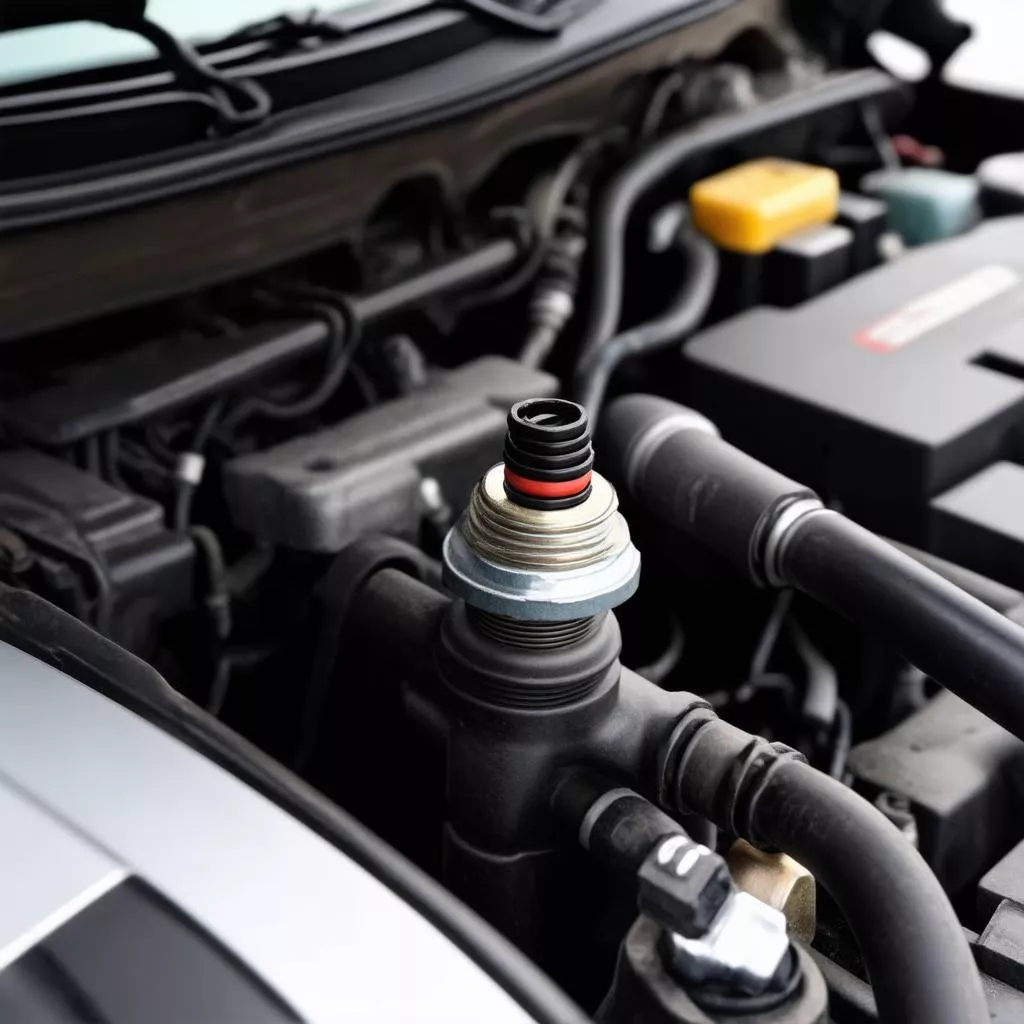
An oxygen sensor
Essential Car Sensors: A Comprehensive List
A modern car can have hundreds of sensors. Here are some of the most common and crucial ones:
1. Oxygen Sensor (O2 Sensor)
Located in the exhaust system, the oxygen sensor measures the amount of oxygen in the exhaust gases. This data allows the ECU to adjust the air-fuel mixture, optimizing engine performance, fuel efficiency, and minimizing harmful emissions.
2. Mass Air Flow (MAF) Sensor
Found in the air intake duct, the MAF sensor measures the amount of air entering the engine. This information helps the ECU calculate the precise amount of fuel needed for combustion.
3. Throttle Position Sensor (TPS)
Attached to the throttle body, the TPS informs the ECU about the throttle valve’s opening angle. The ECU uses this data to adjust fuel injection according to driving conditions.
4. Manifold Absolute Pressure (MAP) Sensor
The MAP sensor measures the pressure inside the intake manifold, providing the ECU with crucial data for calculating engine load and adjusting ignition timing.
5. Crankshaft Position Sensor (CKP Sensor)
Typically located near the flywheel or crankshaft pulley, the CKP sensor determines the crankshaft’s speed and position. This allows the ECU to calculate precise fuel injection and ignition timing.
6. Camshaft Position Sensor (CMP Sensor)
Similar to the crankshaft sensor, the camshaft position sensor determines the camshaft’s position, enabling the ECU to synchronize intake and exhaust valve operation with the ignition system.
7. Engine Coolant Temperature (ECT) Sensor
The ECT sensor measures the engine coolant temperature. The ECU uses this data to regulate the cooling fan, fuel injection, and ignition timing based on engine temperature.
8. Tire Pressure Monitoring System (TPMS) Sensor
Integrated into each tire, TPMS sensors monitor tire pressure and alert the driver when pressure drops below safe levels, ensuring safe driving.
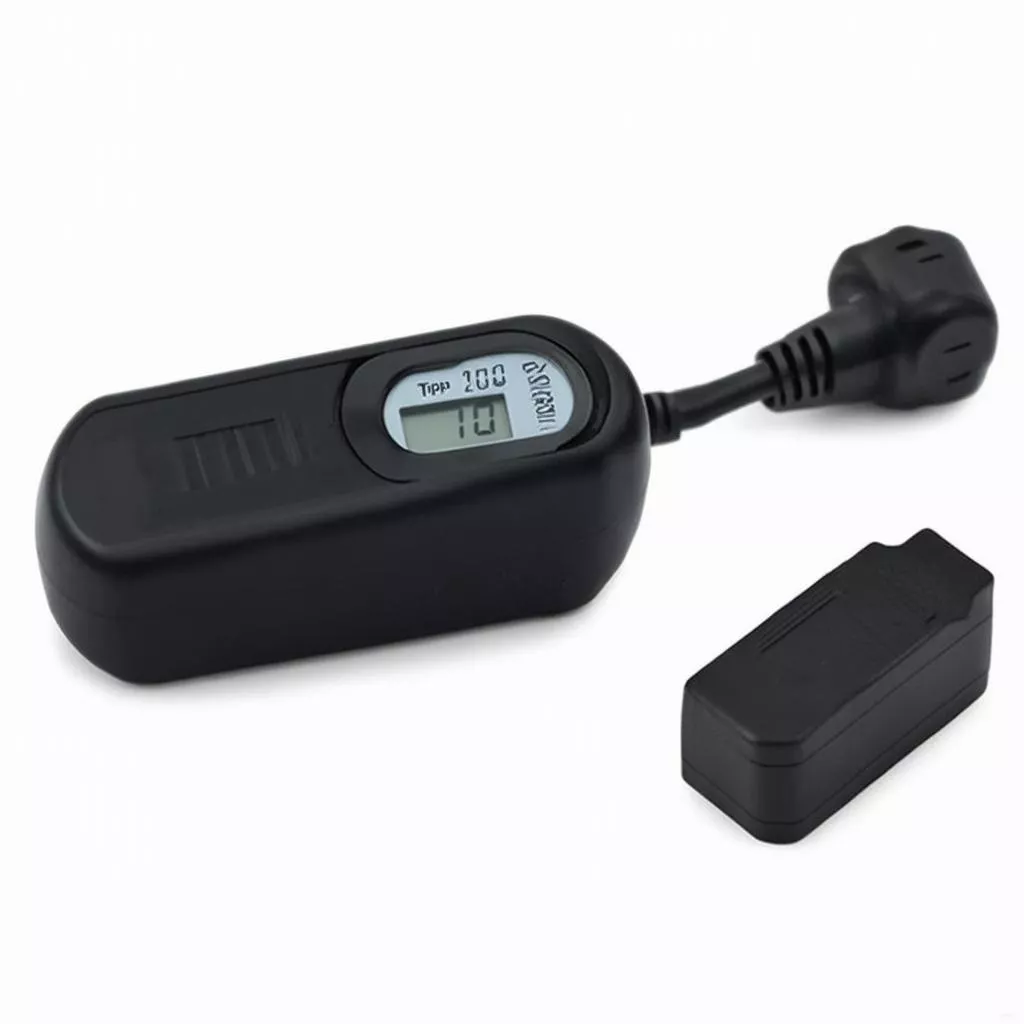 A tire pressure monitoring system (TPMS) sensor
9. Rain Sensor
Usually mounted on the windshield near the rearview mirror, the rain sensor detects rainfall and automatically activates the wipers, allowing the driver to focus on the road.
10. Light Sensor
Also located on the windshield, the light sensor detects ambient light levels and automatically turns on/off headlights and taillights as needed, improving visibility and ensuring compliance with traffic regulations.
11. Impact Sensor
Positioned at the front and rear of the vehicle, impact sensors detect collisions. Upon impact, they signal the ECU to deploy airbags and activate other safety systems, protecting occupants.
Reference Price Table for Common Car Sensors
| Sensor Type | Estimated Price (VNĐ) |
|---|---|
| Oxygen Sensor | 500,000 – 2,000,000 |
| Mass Air Flow Sensor | 800,000 – 3,000,000 |
| Throttle Position Sensor | 300,000 – 1,500,000 |
| Tire Pressure Sensor | 100,000 – 500,000/each |
| Crankshaft Sensor | 500,000 – 2,000,000 |
Note: Prices are for reference only and may vary depending on car make, model, dealer, and time of purchase.
Important Considerations for Car Sensors
- Regular Maintenance: Sensors require regular inspection and maintenance like other car parts.
- Choose Reputable Service Centers: For sensor replacements, opt for reputable garages that use genuine parts to ensure quality and performance.
- Heed Warning Lights: If the check engine light illuminates, take your car to a garage for diagnosis and timely repairs.
Frequently Asked Questions About Car Sensors
1. What is the lifespan of a car sensor?
Sensor lifespan depends on factors like manufacturer, operating conditions, and environment. Generally, sensors last 5-7 years or 100,000 km.
2. What are the signs of a faulty sensor?
Common signs include an illuminated check engine light, rough engine performance, decreased fuel efficiency, and difficulty starting.
3. Can I replace a sensor myself?
Sensor replacement requires specialized knowledge and tools. It’s recommended to have a qualified technician at a reputable garage handle replacements.
Purchasing Car Sensors at XE TẢI HÀ NỘI
For quality car sensors at competitive prices, visit XE TẢI HÀ NỘI at [address], call [phone number], or visit our website [website] for consultation and assistance.
Related Products and Services
Besides car sensors, XE TẢI HÀ NỘI offers a wide range of products and services, including genuine auto parts and professional car maintenance and repair services.
 A car repair garage
Conclusion
Understanding car sensors and their vital role in vehicle operation is crucial. Regular maintenance and choosing a reputable service provider for repairs will ensure a safe and enjoyable driving experience. Contact XE TẢI HÀ NỘI for all your automotive sensor needs.









