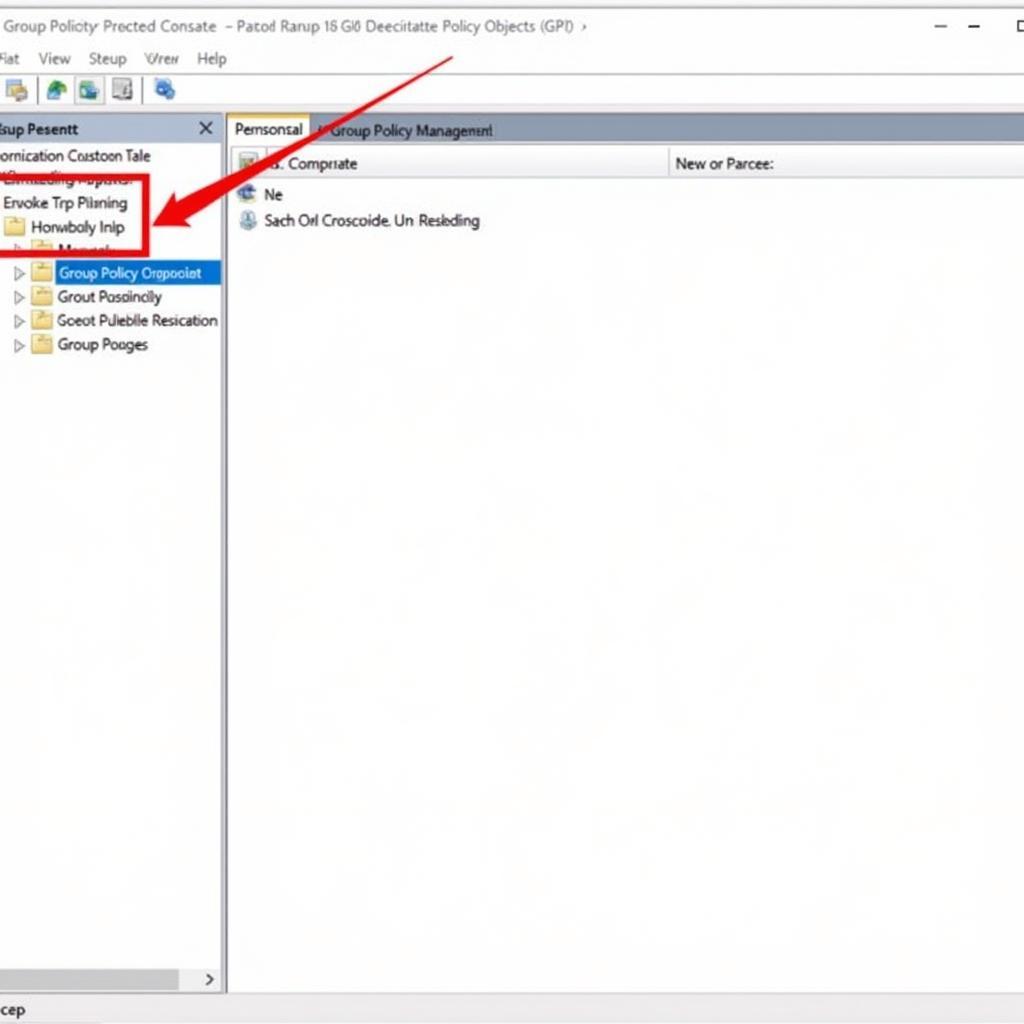
Implementing Group Policy on Windows Server 2016 is crucial for centralized management and network security. Properly configuring Group Policy allows for controlled access, consistent security settings, and ensures compliance with company regulations.
Why Implement Group Policy?
Group Policy enables system administrators to define and apply rules and configurations to all or specific groups of users and computers within a domain. This saves time and effort compared to configuring each computer individually. It also enhances security by enforcing uniform security settings and controlling resource access.
Steps to Implement Group Policy on Windows Server 2016
To implement Group Policy, follow these steps:
- Install Active Directory Domain Services (AD DS): If not already installed, you need to install AD DS on your Windows Server 2016. This is the foundation for domain management and Group Policy application.
- Create a Group Policy Object (GPO): A GPO is a collection of policy settings. You can create a new GPO or modify the default one.
- Link the GPO to an Organizational Unit (OU): An OU is a way to group users and computers within a domain. Linking a GPO to an OU applies the policy to the objects within that OU.
- Configure settings within the GPO: You can configure various settings within a GPO, including security settings, application configurations, and system settings.
- Apply the GPO: After configuration, the GPO will be applied to the linked objects. This process may take some time.
Creating a GPO on Windows Server 2016
Managing and Monitoring Group Policy
After implementing Group Policy, ongoing management and monitoring are essential for effectiveness and security. Regularly review and update policy settings to meet evolving business needs.
Common Issues and Troubleshooting
- GPO not applied: Verify GPO links, application order, and restart the affected computer.
- Conflicts between GPOs: Check the GPO application order and configure GPO inheritance settings.
- Errors applying GPOs: Review event logs to identify the root cause.
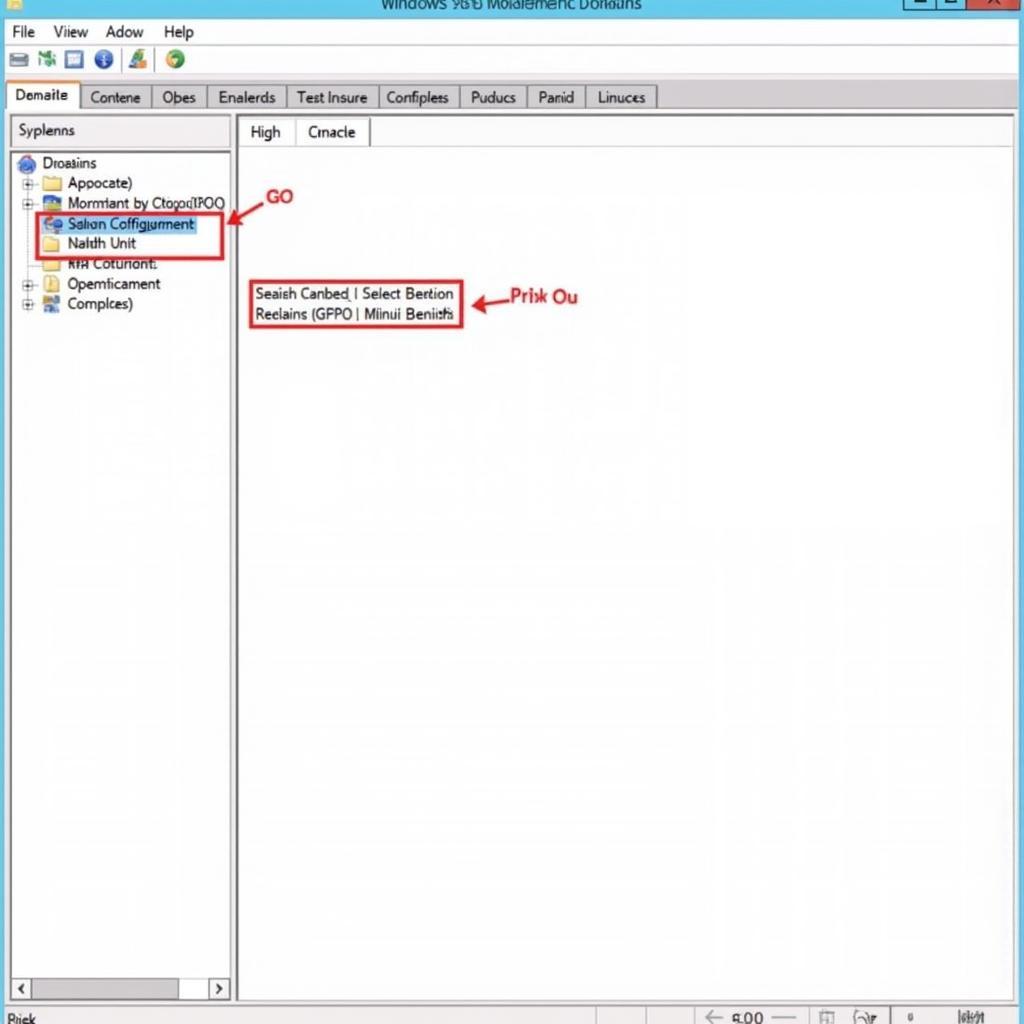 Linking a GPO to an OU on Windows Server 2016
Conclusion
Implementing Group Policy on Windows Server 2016 is crucial for efficient network management and security. Understanding the steps for setup and GPO management optimizes your system and ensures business security.
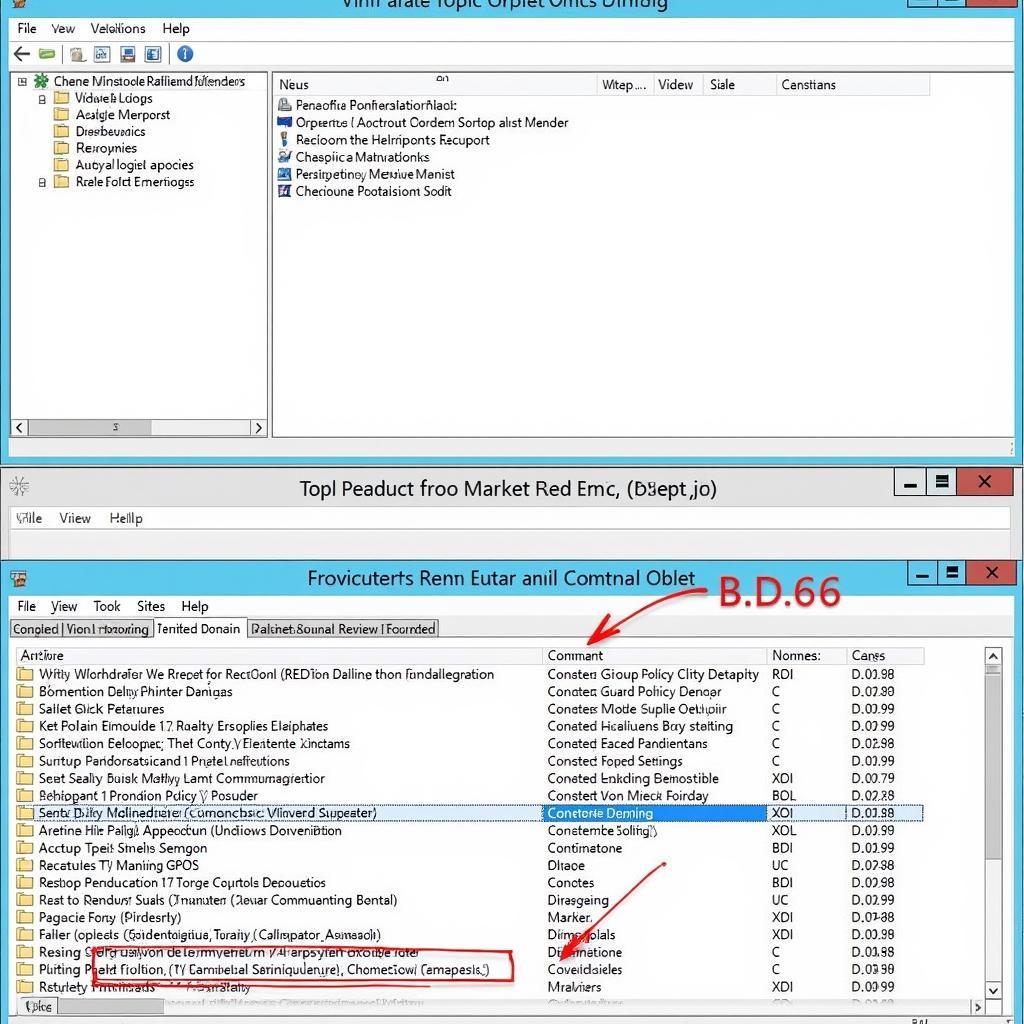 Checking GPO on Windows Server 2016
FAQ
- What is a GPO?
- Why use GPOs?
- How do I create a new GPO?
- What is an OU?
- How do I link a GPO to an OU?
Common Scenarios and Questions
Users often struggle to determine which GPOs are applied to their computers or why a specific setting isn’t working as expected. They might also encounter issues with conflicting GPOs.
Suggested Related Articles and Questions
- Installing Active Directory on Windows Server 2016
- Managing Users and Groups in Active Directory
- Critical Security Settings in GPO
For support, contact us at Phone: 0968239999, Email: [email protected] or visit us at: TT36 – CN9 Road, Tu Liem Industrial Zone, Phuong Canh Ward, Nam Tu Liem District, Hanoi. We have a 24/7 customer support team.