Electric vehicle (EV) import taxes in Vietnam are a hot topic, especially as the country’s EV market is rapidly growing. This article delves into Vietnam’s EV import tax policy, exploring the opportunities and challenges it presents, and its impact on the broader truck market.
Vietnam’s Electric Vehicle Import Tax Policy
Vietnam’s EV import tax policy aims to encourage consumers to switch to environmentally friendly vehicles. Import taxes on EVs are gradually decreasing, creating favorable conditions for importers and distributors. However, this policy also poses challenges for the domestic automotive industry.
Opportunities for the Electric Vehicle Market
Reduced import taxes on EVs create significant opportunities for Vietnam’s EV market. Lower prices for imported EVs attract consumers and stimulate the development of charging infrastructure. This also encourages businesses to invest in domestic EV production and assembly. Similar to the electric vehicle import tax from China, this policy influences the supply of EVs in the market.
Challenges for the Automotive Industry
While presenting opportunities, EV import taxes also pose challenges for the domestic automotive industry. Competition from imported EVs can create difficulties for traditional automakers. Developing charging infrastructure and securing a stable supply of components are also crucial issues that need addressing. For a deeper understanding of electric car import taxes, you can refer to more specialized articles.
Impact on the Truck Market
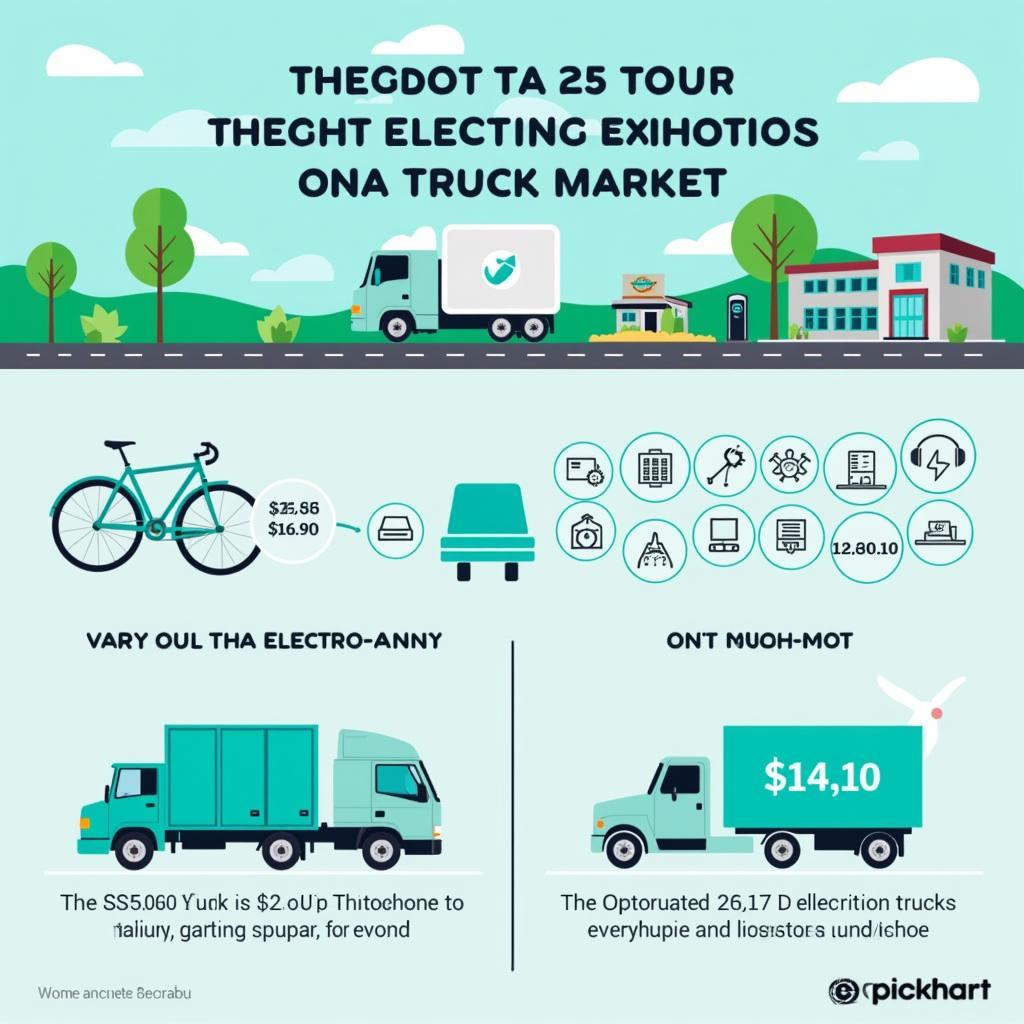
The EV import tax policy also impacts the truck market. Electric trucks offer benefits in fuel efficiency and environmental protection. However, high costs and underdeveloped charging infrastructure hinder the widespread adoption of electric trucks. Transportation companies need to carefully consider these factors when investing in electric trucks. A detailed example concerning the imported Hyundai i10 car price is comparing prices before and after the tax policy implementation.
Does EV Import Tax Affect 1-Ton, 2-Ton, 3.5-Ton, and 8-Ton Trucks?
The answer is yes. Although electric trucks currently focus on the light-duty segment, this trend will gradually extend to larger truck segments, including 1-ton, 2-ton, 3.5-ton, and 8-ton trucks. The EV import tax policy will directly impact the prices of these trucks.
Impact on the truck market
Conclusion
EV import tax is a crucial factor driving the development of Vietnam’s electric vehicle market. This policy presents both opportunities and challenges for businesses and consumers. Understanding EV import taxes will help stakeholders make informed decisions in a changing market. This shares similarities with the guide to auto parts business where understanding policies is key to successful operations. For those interested in buying cars on installment in Ho Chi Minh City, this content will be helpful in understanding car prices.
FAQ
- What is the current import tax rate for electric vehicles?
- Will the EV import tax policy change in the future?
- Do electric trucks receive import tax incentives?
- How can I learn more about the EV import tax policy?
- How does the EV import tax affect car prices?
- What types of electric trucks are currently being imported into Vietnam?
- Where can I buy an electric truck?
For assistance, please contact us by phone: 0968239999, Email: [email protected] or visit us at: TT36 – CN9 Road, Tu Liem Industrial Park, Phuong Canh Ward, Nam Tu Liem District, Hanoi. We have a 24/7 customer service team.









