“There’s a time for everything, and a reason for every custom” – this Vietnamese proverb holds true in many situations, including buying and selling vehicles. Selling a car isn’t just a transaction; it also involves cultural beliefs and personal income tax regulations. So, what are the personal income tax implications when selling a car in Vietnam? Let’s delve into the details with XE TẢI HÀ NỘI!
Personal Income Tax on Car Sales: Meaning and Calculation
The Significance of Paying Personal Income Tax on Car Sales
Many believe that selling a used car, a personal asset, has nothing to do with personal income tax. However, from an economic and legal perspective, selling a car, even a used one, is considered a form of income generation.
According to financial experts, applying personal income tax to car sales aims to:
- Generate revenue for the state budget: This revenue is used to invest in infrastructure development, education, healthcare, and other public services.
- Regulate the automobile market: Taxation helps control the number of cars bought and sold, contributing to reducing traffic congestion and environmental pollution.
- Ensure social equity: Applying personal income tax ensures that those who earn income from selling cars also contribute fairly to society.
When Do You Have to Pay Personal Income Tax on Car Sales?
Under current regulations, you are required to pay personal income tax when selling a car in the following cases:
- Selling the car within 2 years of purchase: This applies whether you bought a new or used car.
- Selling the car for a value higher than its depreciated value: Depreciated value is calculated based on the car’s usage duration and wear and tear.
How to Calculate Personal Income Tax on Car Sales
Personal income tax on car sales is calculated based on the difference between the selling price and the purchase price (minus related expenses) and falls under the current personal income tax brackets.
Formula:
Personal Income Tax = (Selling Price – Purchase Price – Expenses) x Tax Rate
Example:
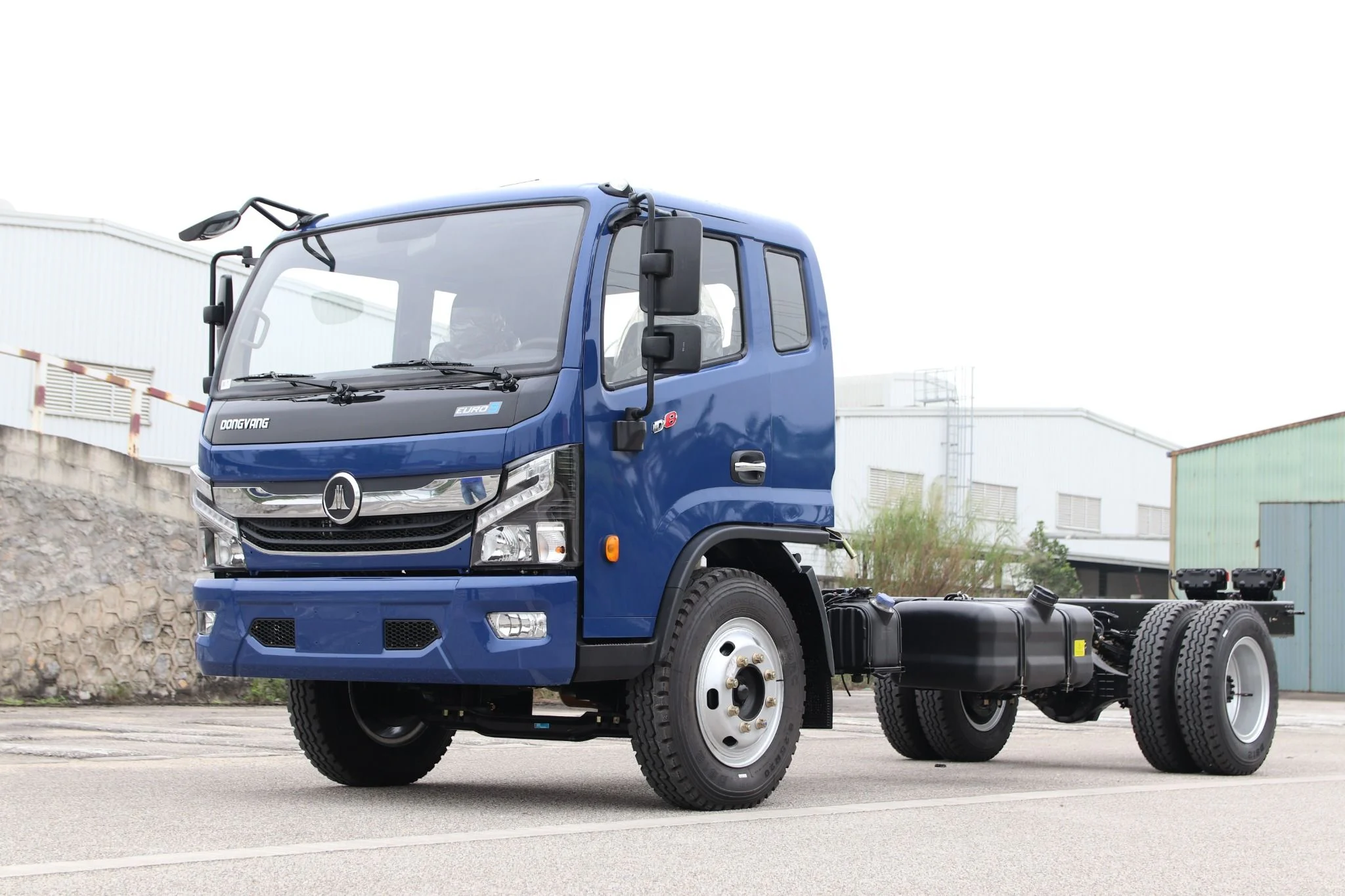
Mr. Minh bought a used truck for 500 million VND. After a period of use, he decided to sell it for 600 million VND. The related expenses (transfer fees, notary fees…) were 20 million VND.
Mr. Minh’s Personal Income Tax payable is:
(600,000,000 – 500,000,000 – 20,000,000) x 2% = 1,600,000 VND
Used truck