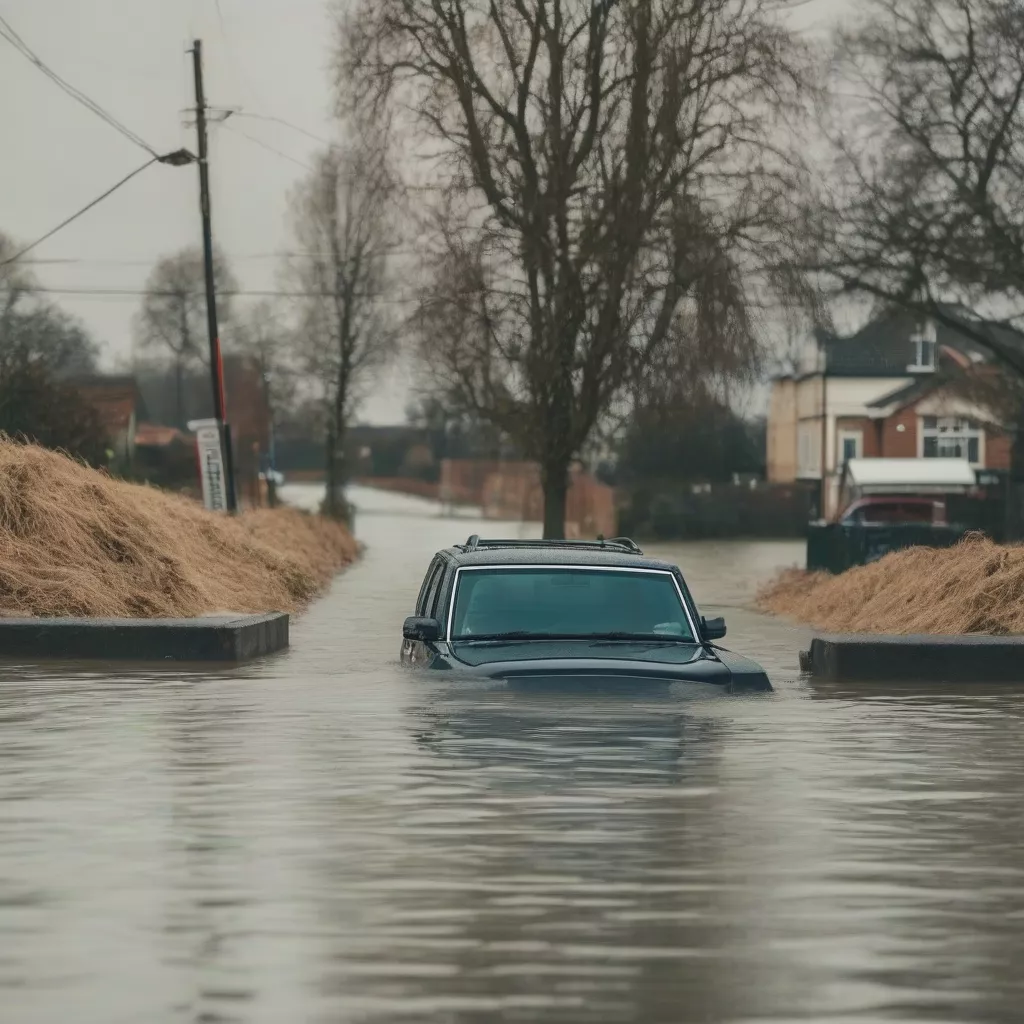
What is hydrostatic lock in a car?
“The sky is sad, shedding tears” – a humorous saying of Hanoians whenever the rainy season arrives. However, that joy quickly disappears when witnessing scenes of flooded streets, stalled vehicles, and especially the fear of “hydrostatic lock” reappearing. So, what is hydrostatic lock? Why is this phenomenon so dreadful? Let’s explore this in detail with Xe Tai Ha Noi through the article below.
What is Hydrostatic Lock?
Hydrostatic lock, also known as hydrolock, occurs when water enters the engine’s cylinders through the air intake, preventing the engine from operating.
Causes of Hydrostatic Lock
Hydrostatic lock usually occurs when:
- The vehicle is driven or parked in deep water: Especially in low-lying areas prone to flooding.
- Careless driving: Driving through flooded areas at high speed creates waves that can enter the engine compartment.
- Leaks in the vehicle’s air intake system: Allowing water to easily enter the engine.
Consequences of Hydrostatic Lock
Hydrostatic lock can have serious consequences:
- Engine damage: Water entering the combustion chamber prevents the pistons from compressing air, causing bent or broken connecting rods, and even a cracked engine block.
- Electrical system damage: Leading to short circuits, damage to sensors, and ECU failure.
According to Mr. Nguyen Van A, an auto repair technician at Tien Phat Auto Repair Shop in Thanh Xuan District, Hanoi: “The cost of repairing a hydrolocked vehicle is very expensive, potentially reaching tens or even hundreds of millions of Vietnamese Dong. In many cases, the owner has to replace the entire engine.”
How to Prevent Hydrostatic Lock
- Monitor weather forecasts: Avoid traveling to flooded areas during heavy rain.
- Check water levels: Carefully observe before driving through flooded areas. If the water level is higher than half the wheel, absolutely do not attempt to cross.
- Drive slowly: When driving through flooded areas, maintain a slow and steady speed to avoid creating waves.
- Regular maintenance: Regularly inspect and maintain the air intake system to ensure it is airtight.
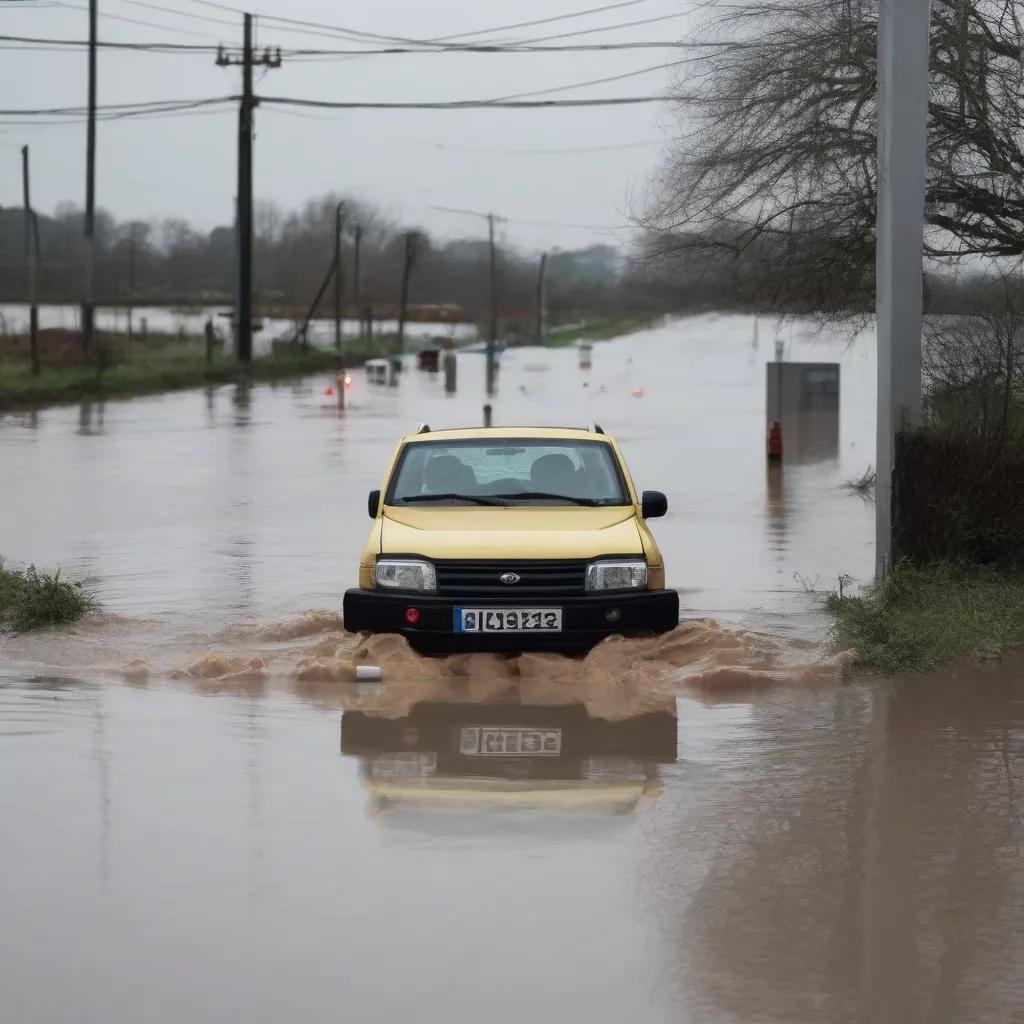 Checking water levels when driving through a flooded area
Frequently Asked Questions about Hydrostatic Lock
1. Can a hydrolocked vehicle be repaired?
Depending on the extent of the damage, a hydrolocked vehicle can be repaired. However, repair costs are often very high, and the vehicle may not operate as smoothly as before.
2. What to do when a vehicle is hydrolocked?
If your vehicle is hydrolocked, absolutely do not attempt to restart the engine. Call for roadside assistance and have the vehicle towed to a reputable repair shop for inspection and timely handling.
3. Does insurance cover hydrolocked vehicles?
Most comprehensive auto insurance policies include coverage for hydrolock. However, vehicle owners should pay attention to exclusion clauses to ensure full compensation.
Conclusion
Hydrostatic lock is a nightmare for anyone, especially during the rainy and stormy season. Hopefully, this article has provided you with useful information to prevent this phenomenon. Always be cautious when driving through flooded areas to ensure your safety and protect your vehicle.
Also, you can refer to other services of Xe Tai Ha Noi:
- Reliable tire replacement in Hanoi: https://xetaihanoi.edu.vn/thay-lop-o-to-uy-tin-o-ha-noi/
- Hino 500 Trucks: https://xetaihanoi.edu.vn/xe-tai-hino-500/
Xe Tai Ha Noi – A reliable source of truck information and services in Hanoi









