The Belt and Road Initiative (BRI), formerly known as One Belt One Road (OBOR), is a global development strategy adopted by the Chinese government in 2013. This analysis will explore the impact of the BRI on global trade and transportation, particularly its influence on the trucking industry.
BRI’s Impact on the Trucking Industry
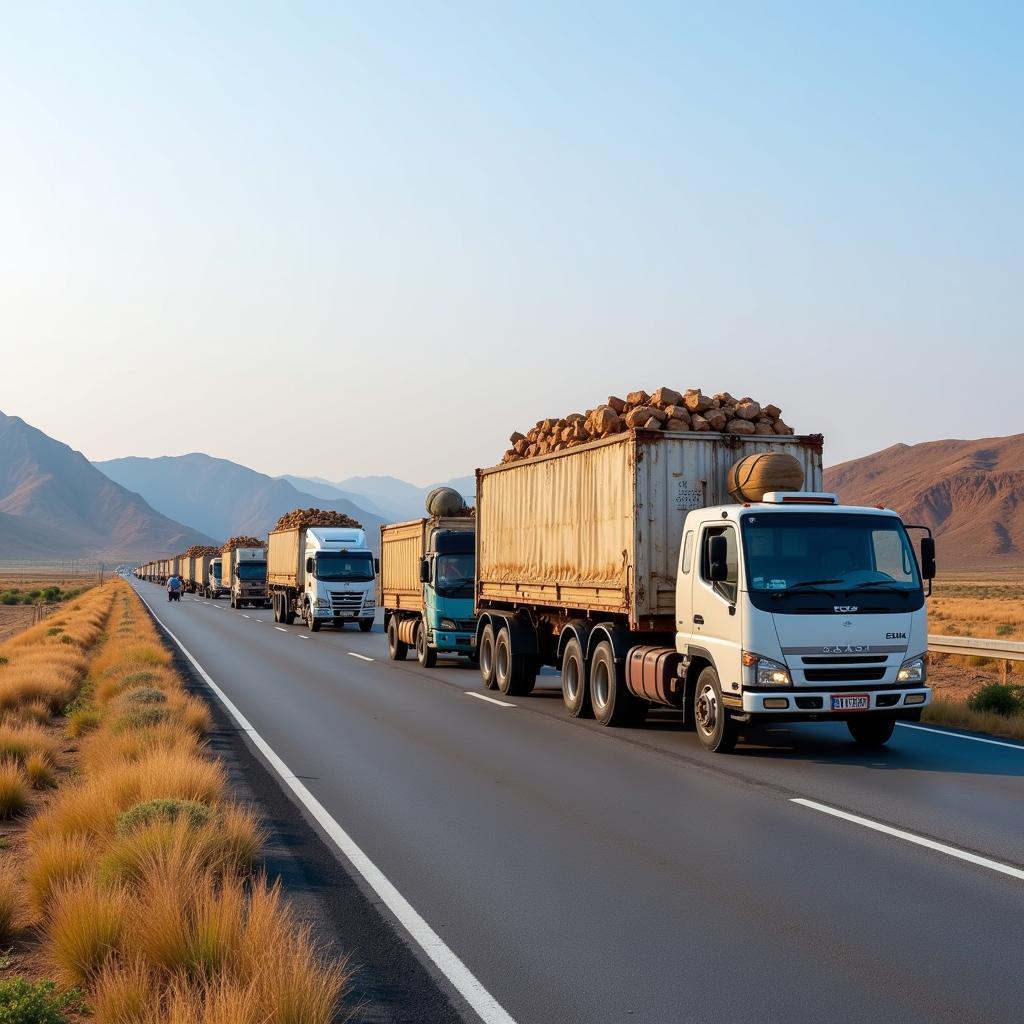
The BRI has generated a significant increase in demand for freight transportation, fueling the growth of the trucking industry. The construction of new infrastructure, including roads, ports, and railways, has facilitated the movement of goods by truck. This has led to a surge in demand for various types of trucks, ranging from light-duty 1-ton, 2-ton, and 3.5-ton trucks to heavy-duty 8-ton trucks.
Truck transporting goods on a BRI highway
Opportunities and Challenges for Trucking Companies
The BRI presents both opportunities and challenges for trucking companies. Opportunities include market expansion, increased revenue, and access to new supply sources. However, businesses also face challenges related to competition, regulations, and operating conditions in different countries.
The BRI and Global Trade
The BRI is designed to promote global trade by connecting economies along the Silk Road Economic Belt and the 21st Century Maritime Silk Road. The initiative has created new trade routes, reduced transportation costs, and enhanced economic cooperation among nations.
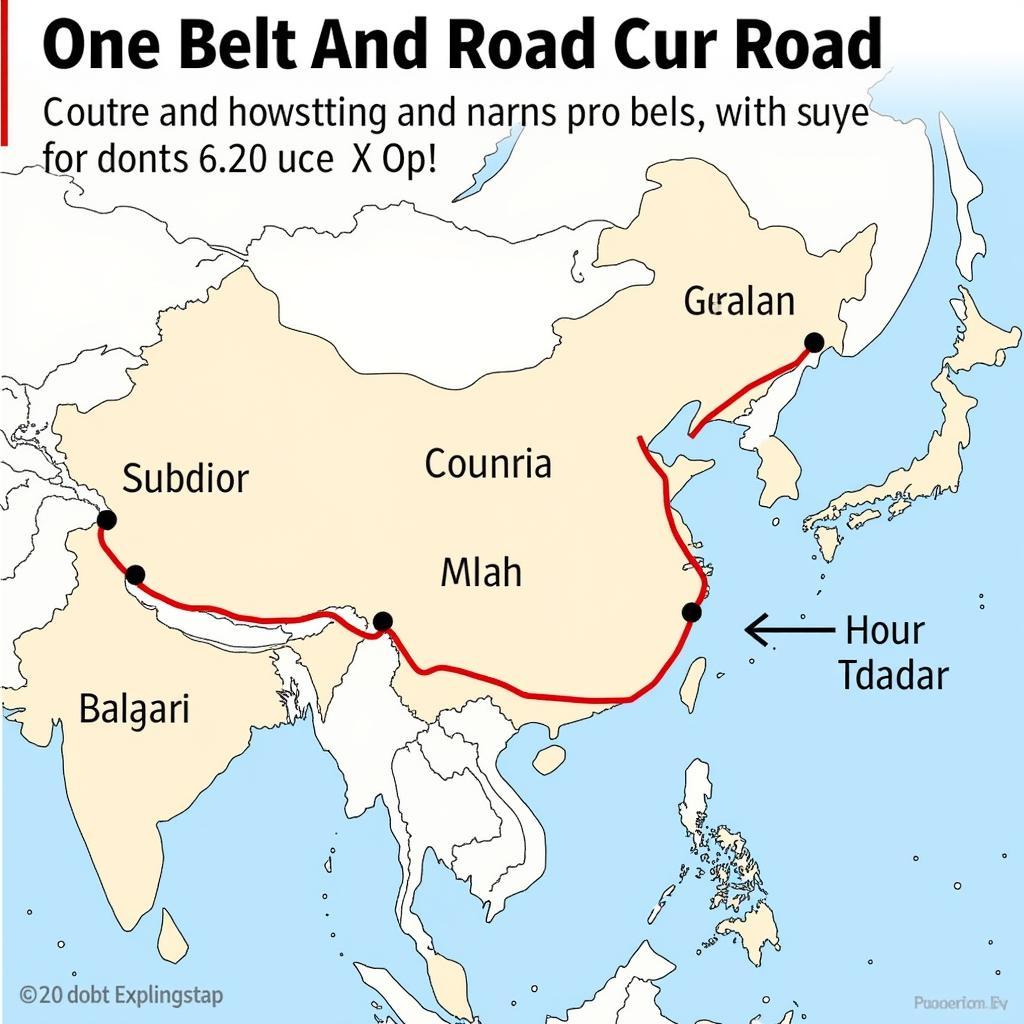 Map of BRI trade routes
BRI’s Impact on the Global Supply Chain
The BRI has reshaped the global supply chain by establishing new logistics hubs and improving connectivity between regions. This facilitates faster and more efficient movement of goods. Businesses can leverage these new routes to optimize their supply chains and reduce costs.
The Role of Trucks in the BRI
Trucks play a crucial role in transporting goods within the BRI framework. In particular, box trucks, vans, and light-duty trucks are widely used for transporting goods on road routes.
Future Demand for Trucks
With the ongoing development of the BRI, the demand for trucks is expected to continue to rise. Transportation companies need to invest in modern, fuel-efficient trucks that meet environmental standards.
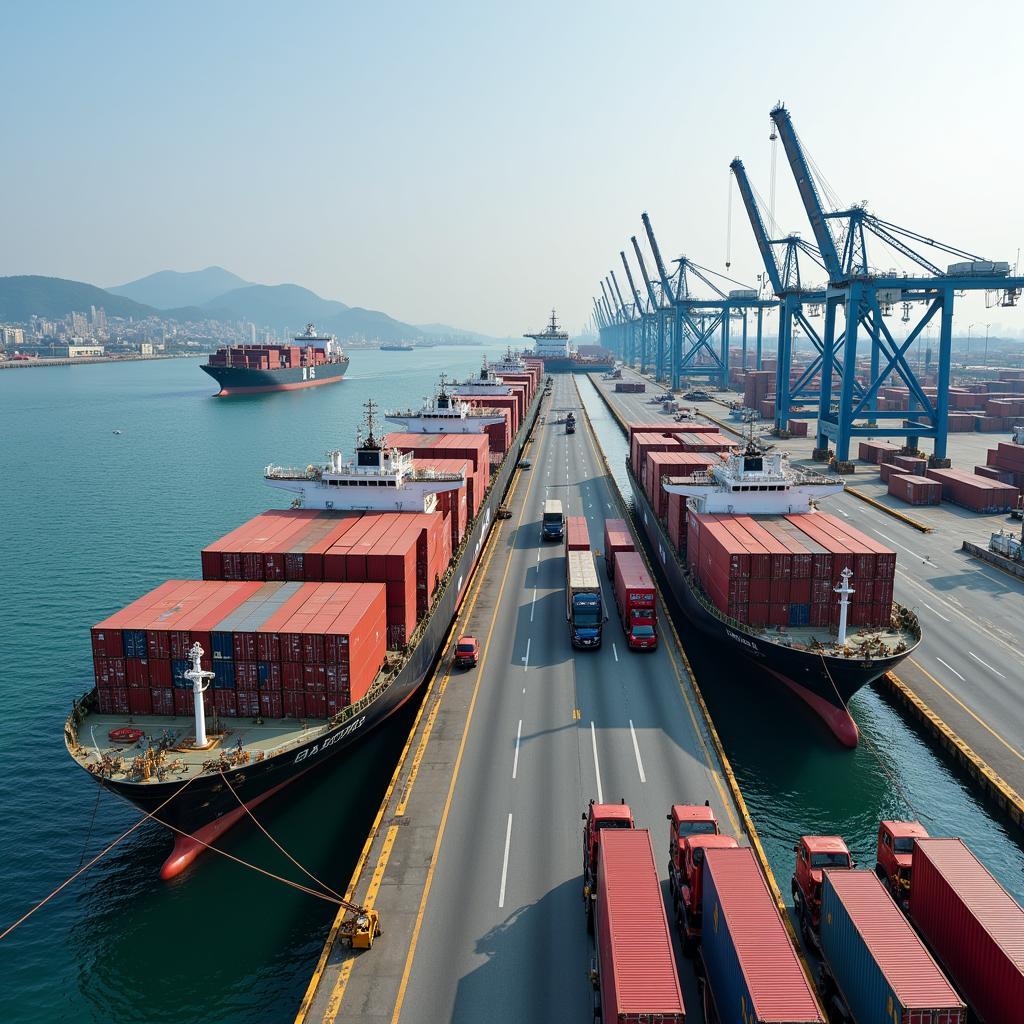 Busy port with increased shipping and transit due to BRI
Conclusion
The Belt and Road Initiative has significantly impacted global trade and transportation. The trucking industry plays a vital role in the implementation of this initiative. Understanding the impact of the BRI will help trucking companies capitalize on opportunities and overcome challenges in the future.
FAQ
- What is the BRI?
- How does the BRI impact the trucking industry?
- Does the BRI affect the global supply chain?
- What is the role of trucks in the BRI?
- What is the future demand for trucks?
- Which types of trucks are most commonly used in the BRI?
- How can trucking companies leverage the opportunities presented by the BRI?
Similar to what is public policy, the BRI is also an international policy. To learn more about China’s foreign policy, you can refer to the article China’s neighboring foreign policy.
For support, please contact us by phone: 0968239999, email: [email protected] or visit our address: No. TT36 – CN9 Road, Tu Liem Industrial Zone, Phuong Canh Ward, Nam Tu Liem District, Hanoi. We have a 24/7 customer support team.









