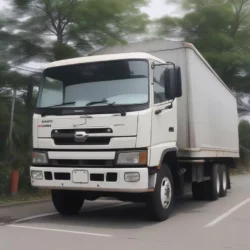
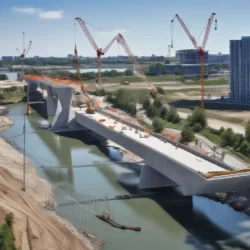
Road construction is a complex process that requires careful coordination between multiple stakeholders. Proper planning and execution ensure project quality, cost savings, and timely completion.
Main Stages of Road Construction
Road construction involves several stages, from surveying and design to construction and acceptance. Each stage plays a crucial role, directly impacting the quality and efficiency of the entire project.
Surveying and Design
Geological and topographical surveying is the first and most crucial step. Survey data forms the basis for designing a road that suits the actual conditions. The design must meet technical standards, traffic safety regulations, and aesthetic considerations. Careful selection of construction materials, ensuring quality and suitability for climate and terrain, is also essential.
Road Base Construction
Road base construction is a critical stage that determines the durability of the entire project. The road base must be thoroughly compacted to ensure stability. This process includes site leveling, excavation, compaction, and soft soil treatment (if necessary). Selecting appropriate construction machinery is crucial for enhancing efficiency and project quality.
Pavement Construction
After completing the road base, pavement construction follows. The pavement is typically made of asphalt or concrete. Pavement construction must strictly adhere to technical procedures to ensure smoothness, roughness, and drainage capacity.
Inspection and Handover
Upon completion of the construction phases, the project undergoes inspection by relevant authorities. The inspection ensures the project meets quality and safety standards. After approval, the project is handed over to the investor.
Road surveying and design
The Role of Trucks in Road Construction
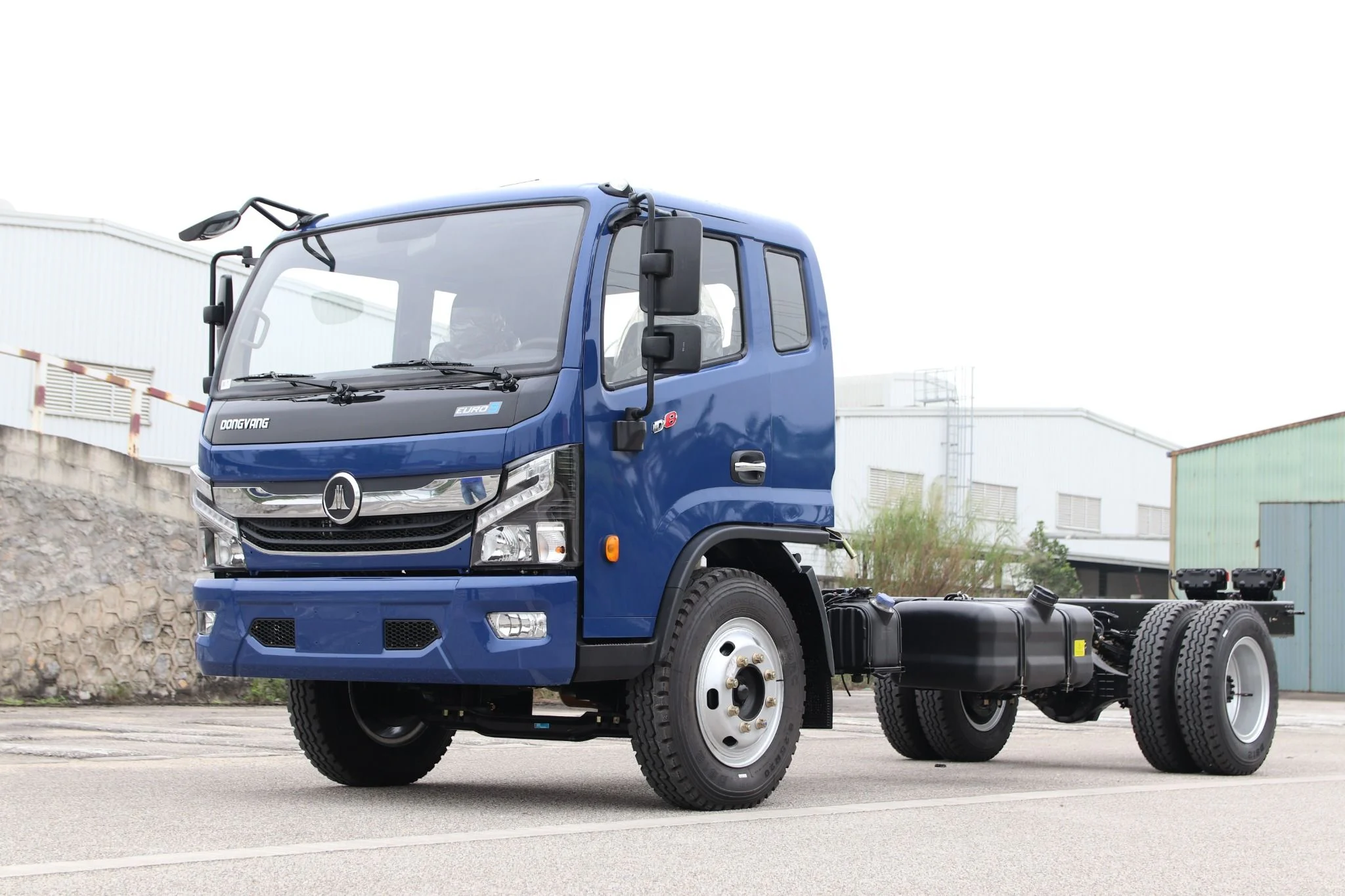
Trucks play a vital role in transporting construction materials such as stone, sand, cement, and asphalt to the construction site. Choosing the right truck type for the load and terrain optimizes costs and construction time. For example, dump trucks are suitable for transporting loose materials, light trucks are suitable for narrow terrain, and 8-ton trucks transport large quantities.
Choosing the Right Truck
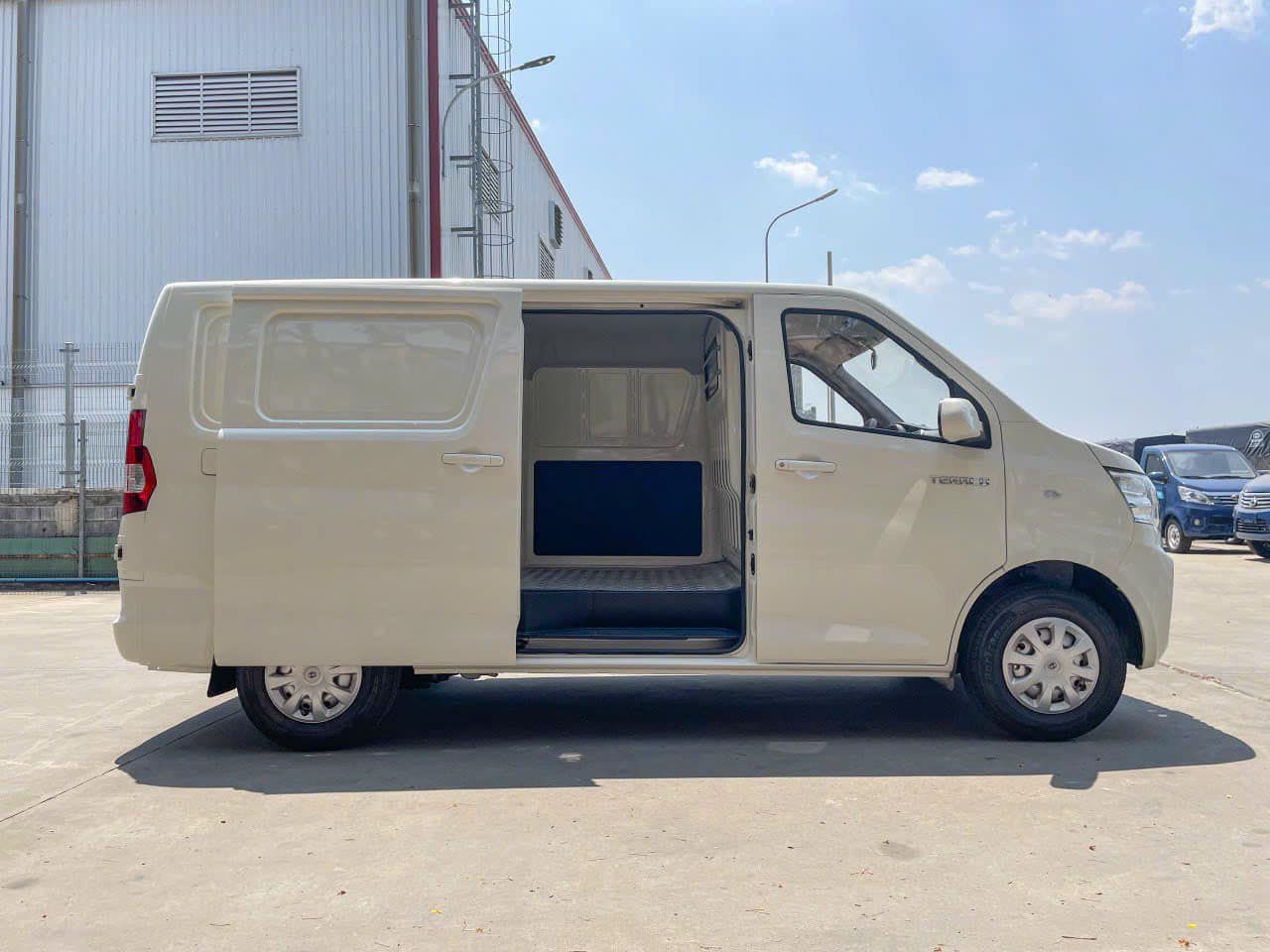
Choosing the right truck depends on several factors, including cargo weight, transportation distance, and road conditions. For road projects in urban areas, light trucks and vans are often preferred. For large-scale projects, 2-ton, 3.5-ton, and 8-ton trucks are suitable choices.
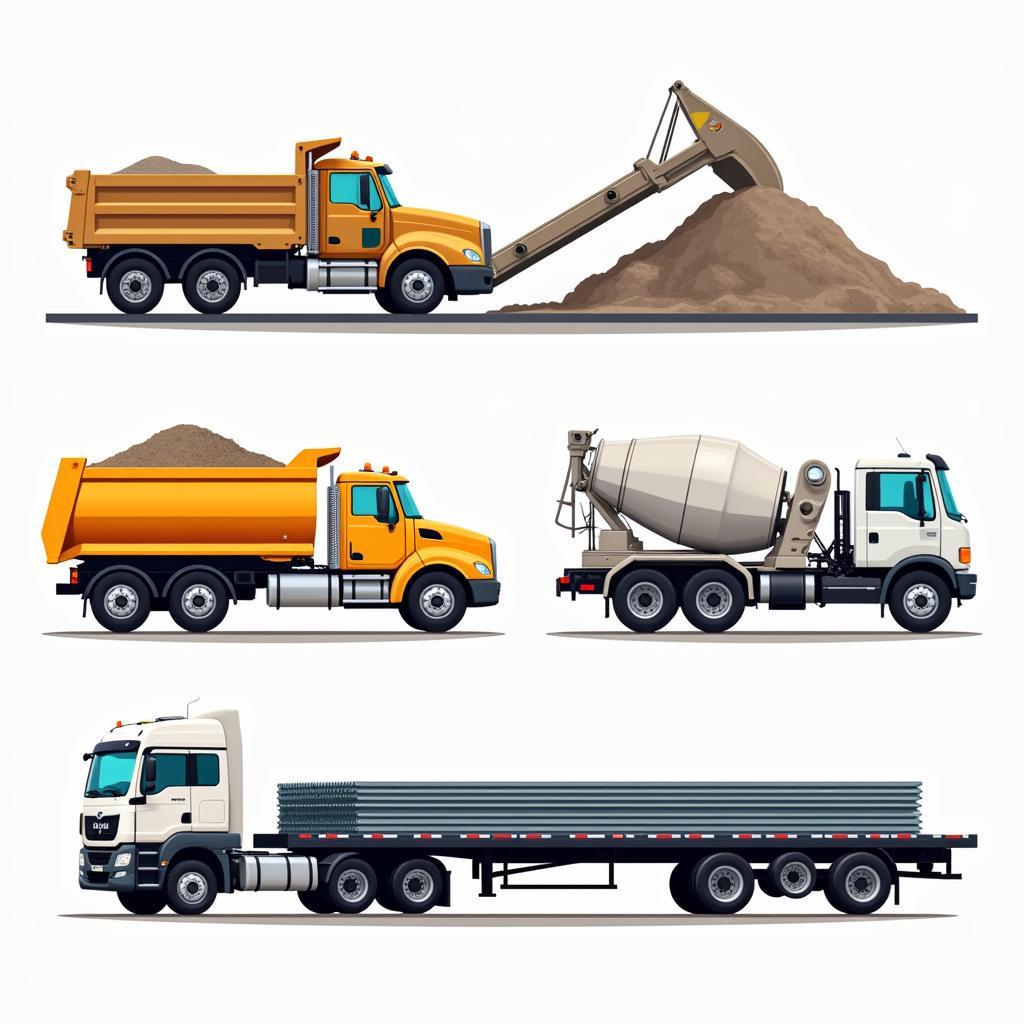 Truck transporting construction materials
Optimizing Cost and Construction Time
Optimizing cost and construction time requires a scientific and detailed construction plan. Choosing a reputable and experienced contractor is also crucial. Utilizing modern technology in construction enhances efficiency and minimizes risks. Like finding the best way to operate a car radio, optimization requires knowledge and experience.
Project Quality Management
Quality management is key to ensuring the project meets standards. Material quality checks, construction process monitoring, and project acceptance must be rigorously implemented.
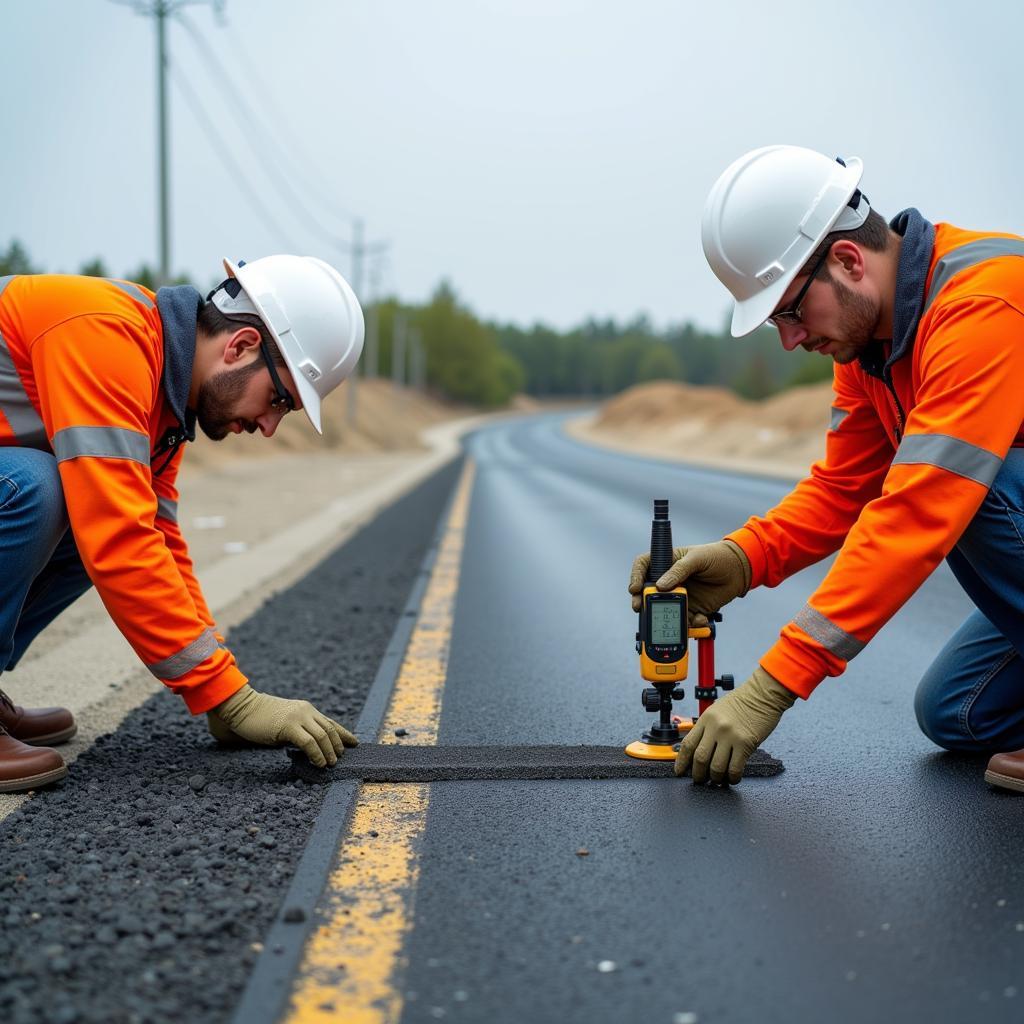 Road construction quality inspection
Conclusion
Road construction is a complex process that demands professionalism and experience. Detailed planning, appropriate material and equipment selection, and rigorous quality management ensure the project’s timely, quality, and safe completion. Similar to understanding fuel-efficient vehicles, grasping road construction knowledge is essential.
FAQ
- What are the main stages of road construction?
- What is the role of trucks in road construction?
- How to optimize cost and construction time for road projects?
- How is quality managed in road construction projects?
- Which types of trucks are commonly used in road construction?
- Why are geological and topographical surveys important in road construction?
- What standards must be met in road design?
Suggestions
You can learn more about construction vehicles or automotive sensors on our website. The article “Guide to Vehicle Registration Tax Declaration” may also be helpful.
For assistance, please contact us by phone: 0968239999, Email: [email protected] or visit our address: No. TT36 – CN9 Road, Tu Liem Industrial Park, Phuong Canh Ward, Nam Tu Liem District, Hanoi. We have a 24/7 customer service team.