
Monetary and fiscal policies are two critical tools governments use to manage the economy. The interaction between these policies can have significant positive or negative impacts on economic growth, inflation, and employment. This article will analyze the interplay between these two policies and their effects on the economy.
What is Monetary Policy?
Monetary policy, managed by the Central Bank, focuses on controlling the money supply and interest rates to stabilize prices and promote economic growth. Key tools of monetary policy include adjusting interest rates, reserve requirements, and open market operations. The primary goals are to control inflation, maintain high employment, and ensure sustainable economic growth.
What is Fiscal Policy?
Fiscal policy, managed by the Government, uses government spending and taxation to influence aggregate demand and the economy. The government can increase spending or reduce taxes to stimulate the economy during a recession, or conversely, decrease spending and raise taxes to curb inflation.
Interaction between Fiscal and Monetary Policy
Interaction between Monetary and Fiscal Policy
The interaction between monetary and fiscal policies can be complementary or contradictory. For instance, if the government implements expansionary fiscal policy (increased spending, tax cuts) to stimulate the economy while the central bank simultaneously implements contractionary monetary policy (increased interest rates) to control inflation, the stimulative effect of the fiscal policy will be diminished. Conversely, if both policies aim for the same objective, such as stimulating the economy, the effect will be amplified.
Impact of the Interaction on the Economy
The interaction of monetary and fiscal policies has a significant impact on the economy. Well-coordinated policies can lead to sustainable economic growth, stable inflation, and low unemployment. However, if not well-coordinated, they can lead to high inflation, economic recession, or even crisis.
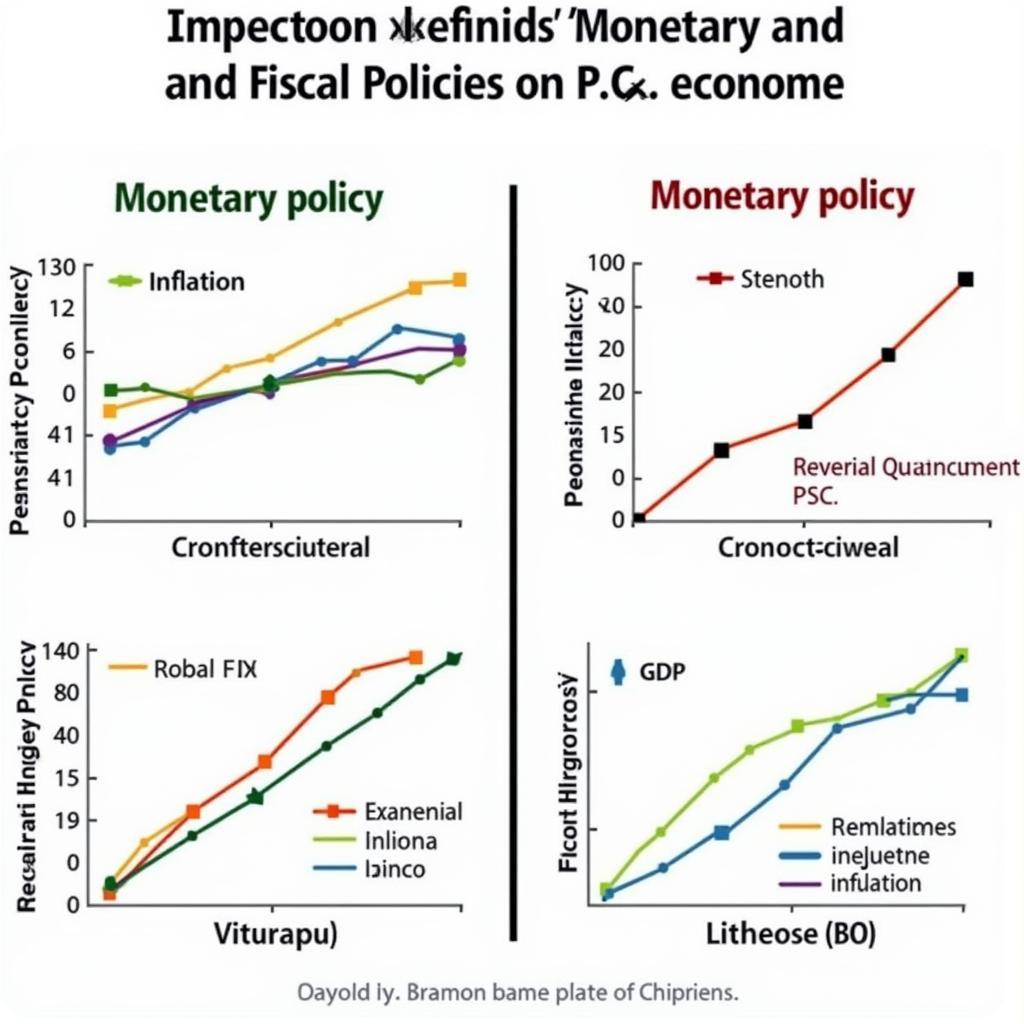 Impact of Fiscal and Monetary Policy Interaction on the Economy
Factors Influencing the Interaction
Several factors influence the interaction between monetary and fiscal policies, including the openness of the economy, the credibility of the government and the central bank, and the global economic context.
Quotes from Experts
Nguyen Van A, a leading economist in Vietnam, stated: “Close coordination between monetary and fiscal policy is key to achieving macroeconomic stability.”
Tran Thi B, Director of Research at the Institute of Economic Research, shared: “Understanding the interaction between these two policies is essential for making effective policy decisions.”
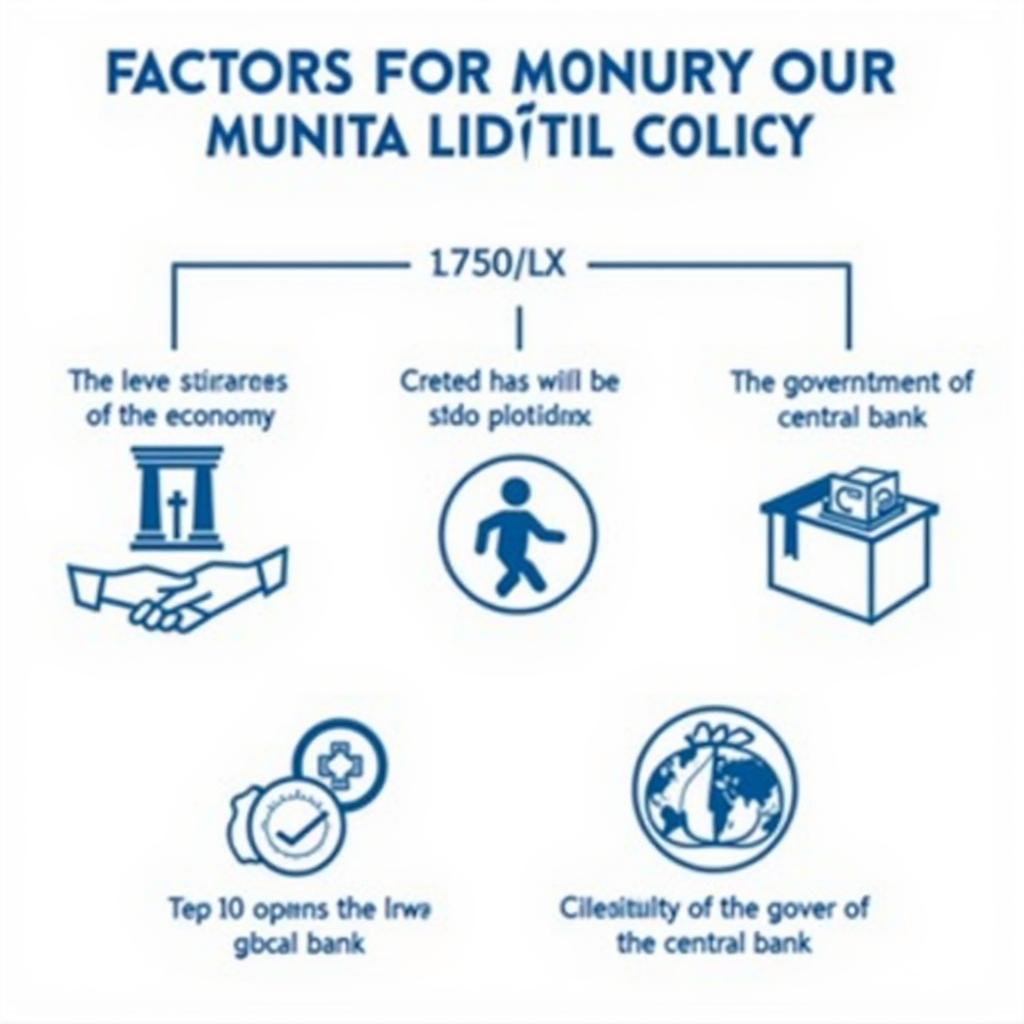 Factors Influencing Fiscal and Monetary Policy Interaction
Conclusion
The interaction between monetary and fiscal policies plays a crucial role in shaping the economy. Effective coordination between these two policies is essential for achieving macroeconomic goals.
FAQ
Description of common situations and questions.
Suggestions for other questions and articles on the web.
For support, please contact us by phone: 0968239999, Email: [email protected] Or visit our address: No. TT36 – CN9 Road, Tu Liem Industrial Park, Phuong Canh Ward, Nam Tu Liem District, Hanoi. We have a 24/7 customer support team.









