Policy planning plays a vital role in shaping socio-economic development, particularly within the transportation sector. Well-planned policies create a favorable environment for sustainable industry growth, positively impacting the overall economy.
The Significance of Policy Planning in the Economy
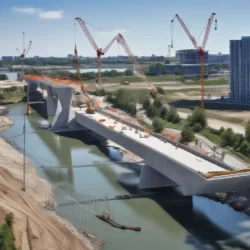
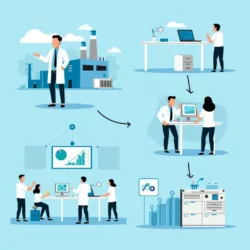
Policy planning involves establishing objectives and selecting action plans to achieve those goals. This process requires thorough analysis of the current situation, forecasting future trends, and evaluating policy impacts. Effective policy planning optimizes resources, enhances productivity, and promotes economic growth. Sound investment policies, such as investing in transportation infrastructure, modern truck technology, and high-quality human resource training, can create breakthroughs for transportation businesses. Evaluating a policy’s effectiveness after implementation is crucial for timely adjustments.
Policy planners play a critical role in ensuring policy effectiveness and relevance.
Policy Planning and the Transportation Industry
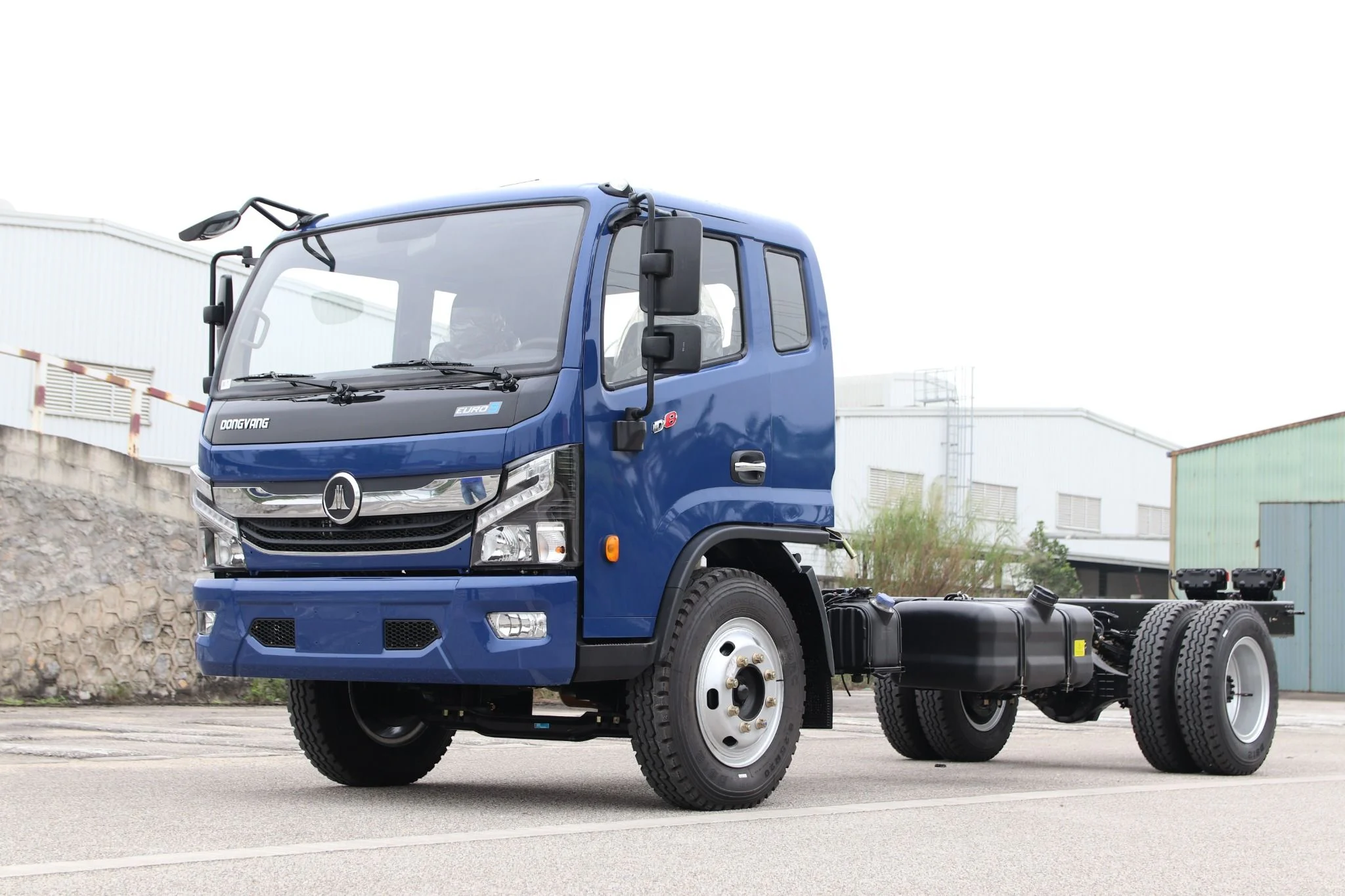
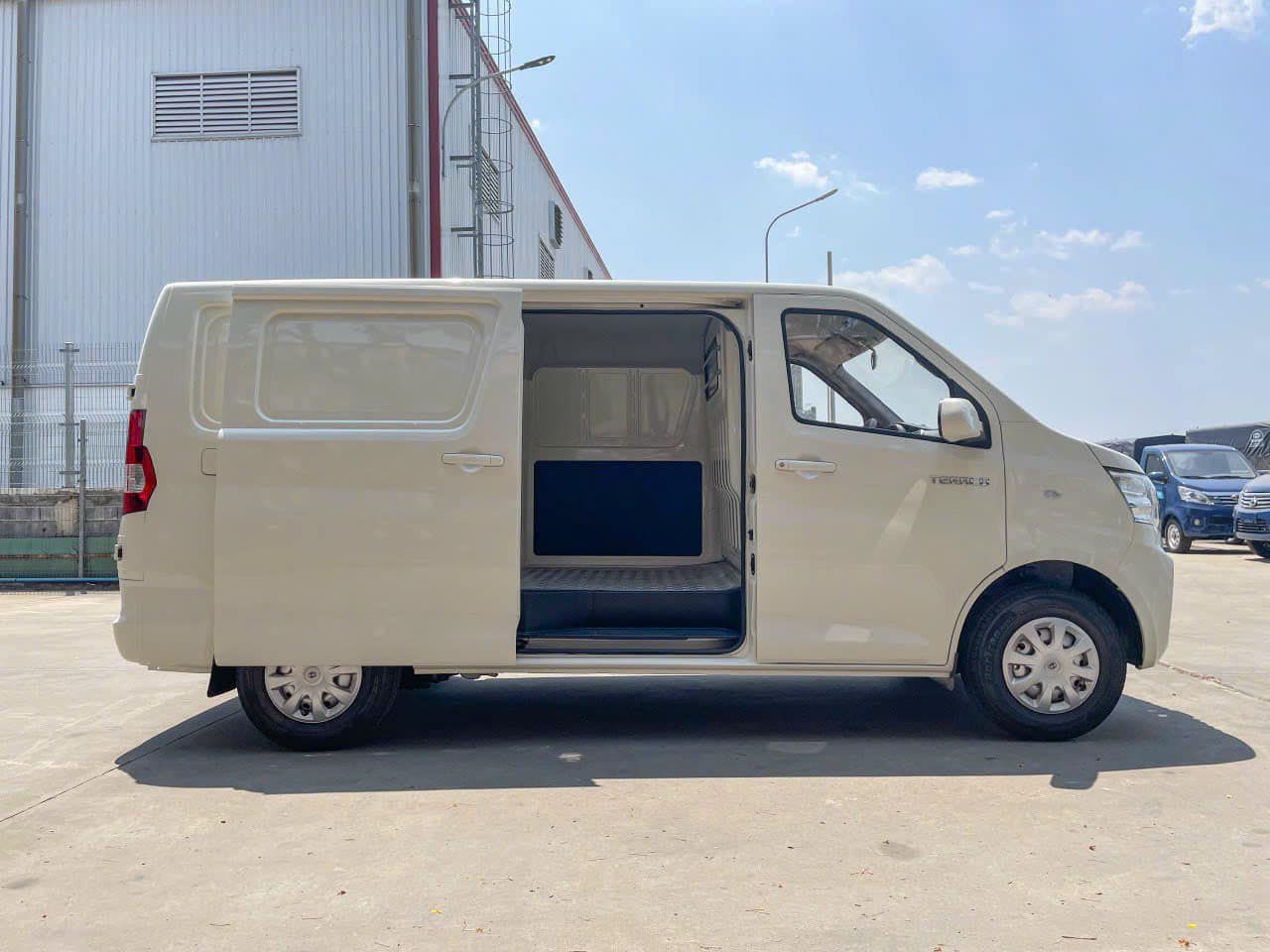
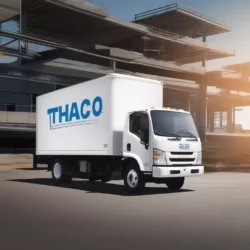
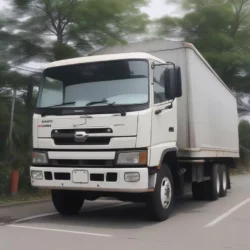
In the transportation sector, policy planning directly influences business operations, from small businesses using vans and 1-ton, 2-ton, and 3.5-ton trucks to large companies operating 8-ton trucks. Policies concerning road tolls, load regulations, emission standards, and financial support for vehicle upgrades all impact business efficiency and competitiveness. Rational policies encourage efficient truck usage, reduce traffic congestion, and protect the environment. For example, policies supporting loans for new and light trucks can enhance transportation capacity, meeting growing market demands.
Learn more about poverty reduction policy planning for a deeper understanding of policy’s role in socio-economic development.
Factors Influencing Transportation Policy Planning
Several factors influence transportation policy planning, including:
- Transportation Demand: Economic and population growth lead to increasing demand for freight and passenger transportation.
- Infrastructure: The quality of roads, ports, and warehouses directly impacts transportation efficiency.
- Technology: Advancements in truck technology and intelligent transportation management systems create new opportunities and challenges.
- Environment: Transportation policies should aim to minimize negative environmental impacts.
The Role of Policy Planning in Sustainable Development
Policy planning is crucial for ensuring sustainable development. Well-planned policies balance economic, social, and environmental objectives. In transportation, this means meeting freight transportation needs while protecting the environment and ensuring road safety. For instance, policies promoting clean fuel usage for trucks contribute to reducing air pollution.
Benefits of Effective Policy Planning
Effective policy planning yields numerous benefits, including:
- Sustainable economic growth.
- Improved quality of life.
- Environmental protection.
- Enhanced competitiveness.
“Policy planning must be based on scientific principles, real-world data, and stakeholder participation.” – Nguyen Van A, Economist.
“Good policy benefits the community and enjoys public support.” – Tran Thi B, Sociologist.
Discussions on ethnic policies exemplify the importance of policy planning.
Conclusion
Policy planning is crucial in guiding socio-economic development, especially in the transportation sector. Developing and implementing effective policies contributes to a modern, efficient, and sustainable transportation system that meets the nation’s development needs.
UEH Business Finance Textbook PDF provides further knowledge on business finance.
FAQ
- What is policy planning?
- Why is policy planning important?
- What are the steps in the policy planning process?
- Who is responsible for policy planning?
- How do we evaluate policy effectiveness?
- What is the role of citizens in policy planning?
- What is an example of a successful policy in the transportation sector?
Learn more about policies supporting transportation businesses on our website. Explore articles on box trucks, light trucks, vans, 1-ton, 2-ton, 3.5-ton, and 8-ton trucks for detailed information.
For assistance, contact us at Phone: 0968239999, Email: [email protected] or visit us at: TT36 – CN9 Road, Tu Liem Industrial Park, Phuong Canh Ward, Nam Tu Liem District, Hanoi. We have a 24/7 customer service team.