Policies, whether at the national or organizational level, impact various groups differently. Identifying “examples of groups that benefit from policies” is crucial for evaluating a policy’s effectiveness and fairness. This article delves into analyzing groups that commonly benefit from policies and how to identify and assess their benefits.
Who Benefits?
When a policy is enacted, the target group is expected to receive direct benefits. For instance, specific retail product policies often aim to protect consumers, ensuring their rights during the purchase of goods and services. However, besides the target group, other groups can also indirectly benefit from the policy.
For example, policies supporting small and medium-sized enterprises, in addition to helping these businesses grow, can indirectly create more jobs, stimulate economic growth, and increase people’s income.
Factors Influencing Benefits
The extent to which each group benefits from a policy varies, depending on several factors:
- Policy Characteristics: Clear, concise, accessible, and easily implemented policies yield greater benefits.
- Beneficiary Characteristics: Larger, vulnerable groups with limited access to information and resources are often prioritized.
- Implementation Environment: A transparent legal framework, an efficient administrative system, and community participation enhance policy effectiveness.
Specific Examples
To better understand “examples of groups that benefit from policies,” let’s consider some specific cases:
- Personal Income Tax Reduction Policy: The direct beneficiaries are employed individuals subject to income tax. They have more disposable income for spending or investment.
- Tuition Support Policy: Students are the direct beneficiaries, as it reduces their financial burden, enabling better access to education.
- Renewable Energy Development Policy: Businesses operating in this sector are the direct beneficiaries. However, citizens indirectly benefit from a cleaner environment.
Evaluating Policy Benefits
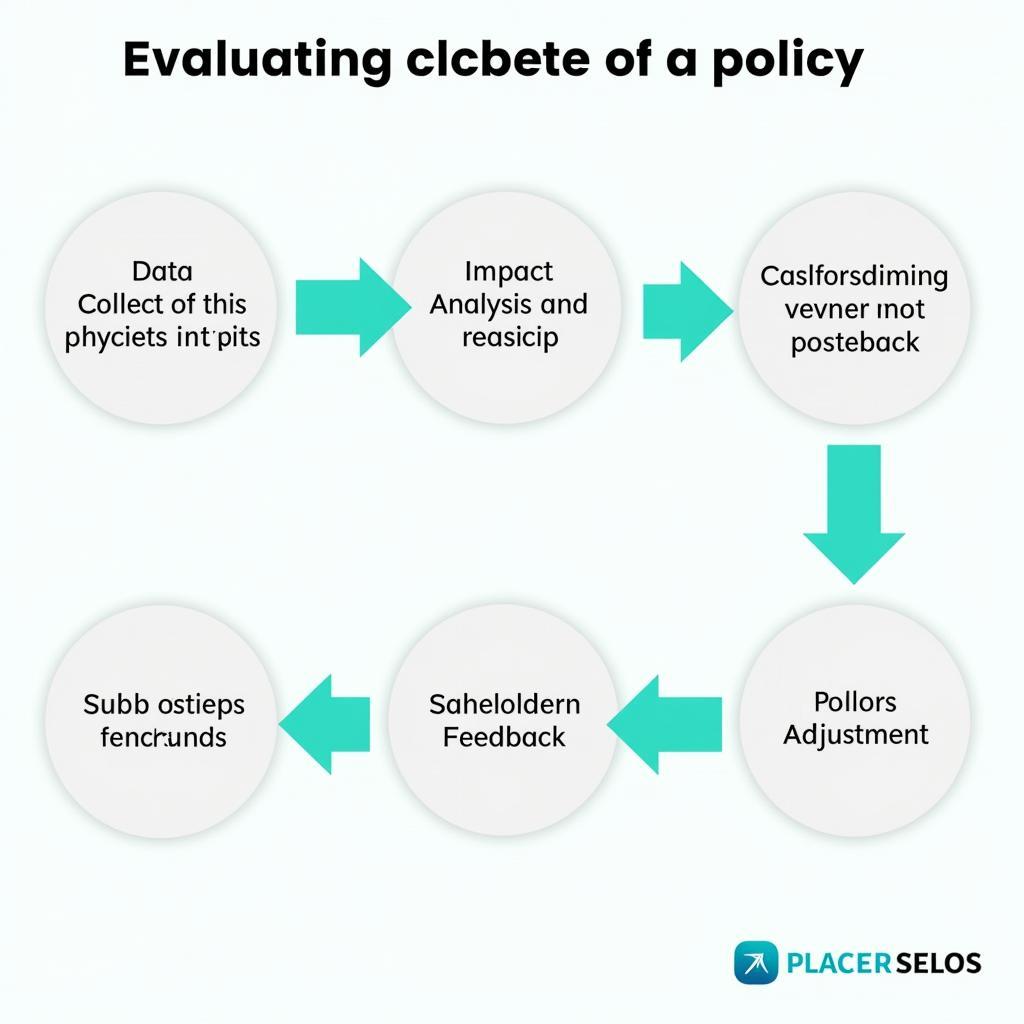
Evaluating policy benefits is crucial to ensure that the policy achieves its objectives.
- Data Collection: Information on socio-economic conditions, beneficiary characteristics, and policy implementation outcomes is essential.
- Impact Analysis: Quantitative and qualitative methods are used to assess the policy’s impact on different groups.
- Conclusion and Recommendations: Evaluate the policy’s effectiveness and propose adjustments and additions as needed.
Policy Effectiveness Evaluation
Conclusion
Identifying “examples of groups that benefit from policies” is a crucial step in policy development, implementation, and evaluation. By carefully analyzing policy characteristics, beneficiaries, and the implementation environment, we can create effective, equitable policies that deliver tangible benefits to society.
Need to learn more about specific policies? Contact us by phone: 0968239999, Email: [email protected] or visit us at: TT36 – CN9 Road, Tu Liem Industrial Zone, Phuong Canh Ward, Nam Tu Liem District, Hanoi. We have a 24/7 customer service team.









