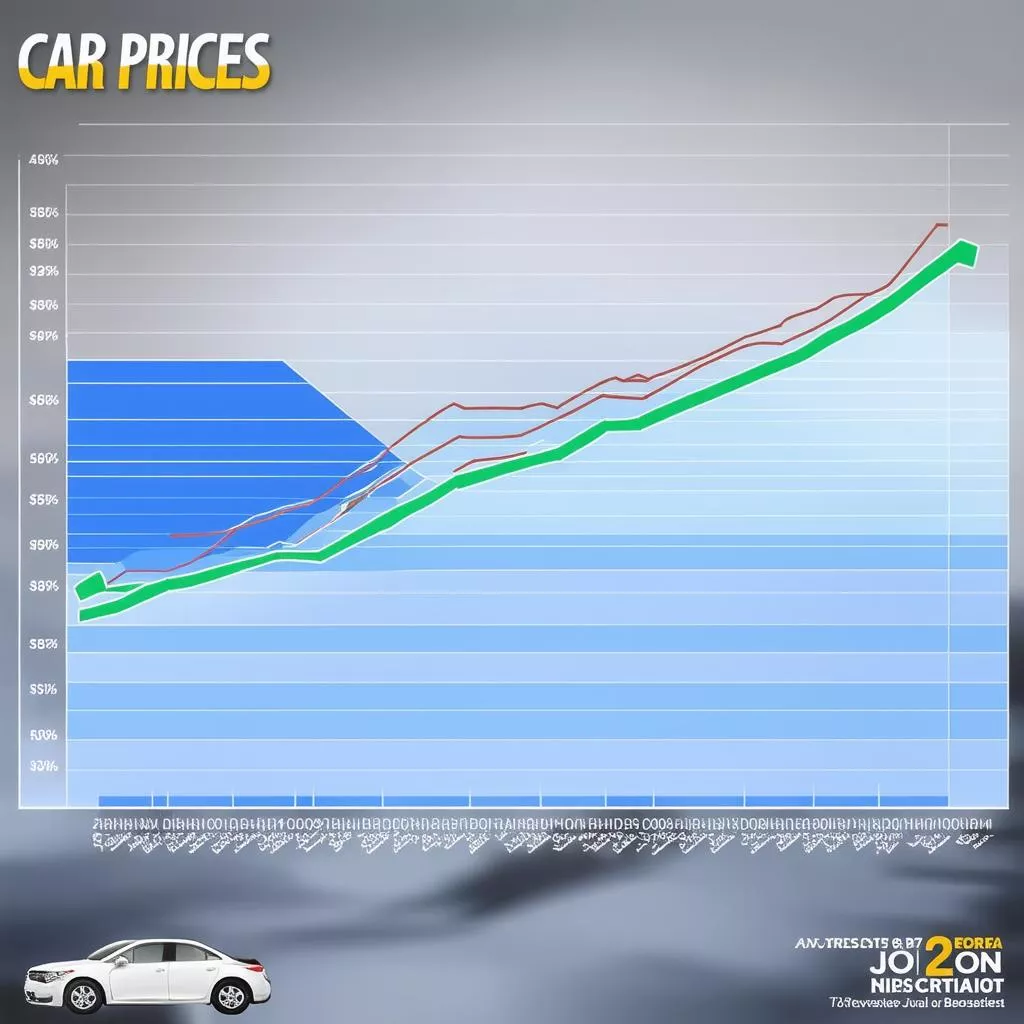
“You get what you pay for” is a common saying that holds true in many situations, especially in Vietnam’s current car market. Car prices in Vietnam are always a hot topic, attracting the attention of many consumers. Many people wonder: “Why aren’t car prices decreasing, and in fact, sometimes even increasing?”. Let’s explore this complex issue with Hanoi Truck.
Rising car prices in Vietnam
The Significance of the Question: Why Aren’t Car Prices Dropping?
This seemingly simple question has multiple layers of meaning:
- The desire to own a car at a reasonable price: Everyone wants to buy a car they like at an affordable price.
- Comparisons with the global market: Many people compare car prices in Vietnam with those in developed countries and wonder why there is such a large discrepancy.
- Concerns about car affordability: High car prices make the dream of owning a car seem distant for many.
Answering the Question: Why Aren’t Car Prices Dropping?
To answer this question, we need to analyze the issue from multiple perspectives:
1. Taxes and Fees Upon Taxes
The reality of exorbitant taxes and fees is one of the main reasons why car prices in Vietnam remain high. According to statistics, taxes and fees applied to cars can account for more than 50% of the vehicle’s value.
- Import Taxes: For completely built-up imported vehicles (CBUs), import taxes are very high, potentially reaching up to 70%.
- Special Consumption Tax: The special consumption tax applied to cars is also very high, ranging from 35% to 150% depending on engine displacement.
- Other Fees: In addition to taxes, car buyers also have to pay other fees such as registration fees, license plate fees, road maintenance fees, etc.
2. Production and Logistics Costs
- Rising Input Material Prices: The prices of steel, aluminum, rubber, electronic components, etc., have all increased significantly in recent years, leading to higher car production costs.
- Increased Logistics Costs: The sharp increase in sea freight rates due to the impact of the pandemic and global economic fluctuations is also a factor driving up car prices.
3. Market Demand
- Increasing Demand for Personal Cars: According to the General Statistics Office, the number of cars sold in Vietnam has grown steadily over the years. High demand makes it difficult for car prices to decrease.
- The “Buy it for Life” Mentality of Vietnamese Consumers: Vietnamese people often have a mentality of choosing durable, value-retaining car models. This makes it difficult for used cars to depreciate, indirectly affecting the price of new cars.
Other Factors
- Government Policies: Government policies regulating the car market, tax policies, and fee policies directly affect car prices.
- Exchange Rates: Fluctuations in the USD/VND exchange rate also impact the price of imported cars.
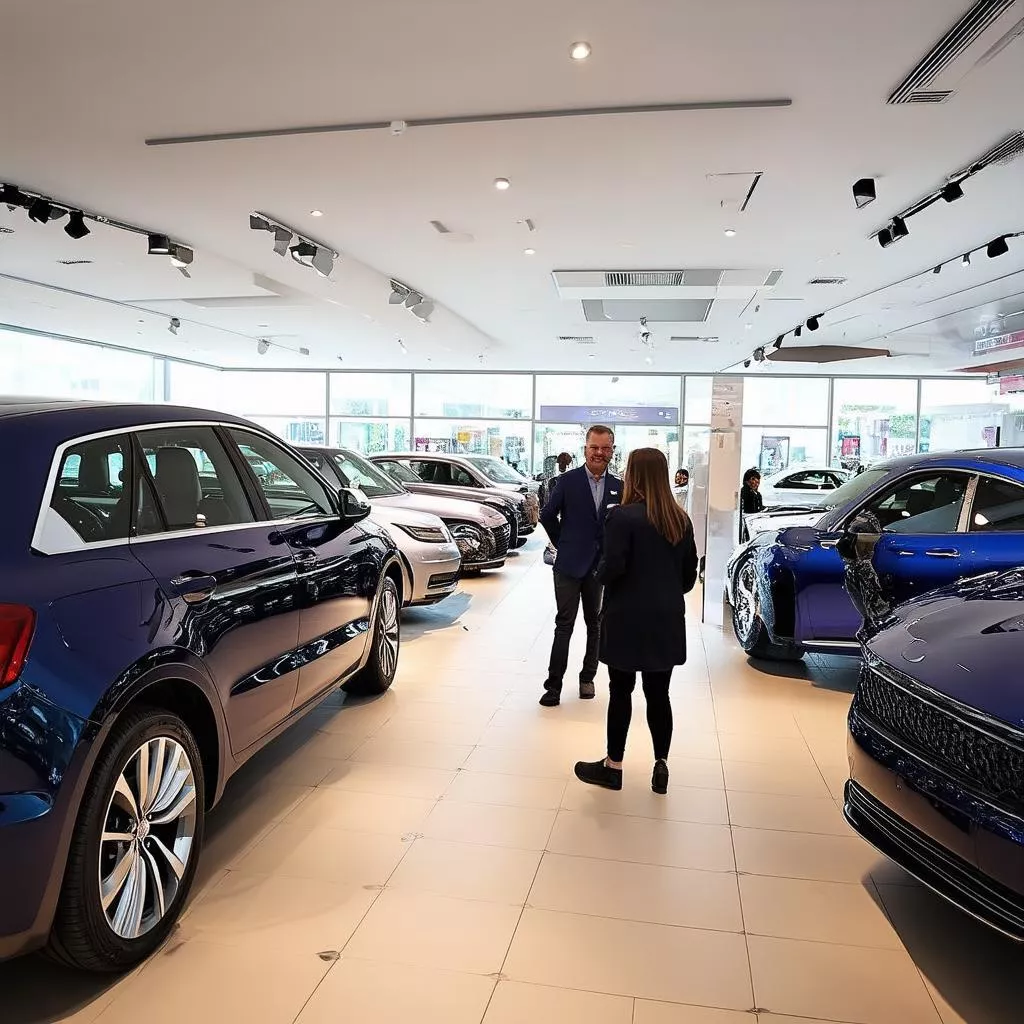 Customers viewing trucks at a showroom
Spiritual Beliefs and Feng Shui
In the spiritual beliefs of Vietnamese people, buying a car is a major event that affects the fortune and destiny of the owner. Therefore, many people are willing to pay a large sum of money to own a car that aligns with feng shui and brings good luck and fortune.
For example, people with the Metal element often choose white or silver cars; those with the Wood element prefer green or black cars. This belief also partly explains why car prices do not decrease and may even increase in some cases.
Frequently Asked Questions
1. When will car prices decrease?
It is difficult to predict exactly when car prices will decrease. However, according to experts, car prices may decrease under certain circumstances such as:
- The government reduces taxes and fees applied to cars.
- The car market becomes saturated, with supply exceeding demand.
- New production technologies emerge that reduce car production costs.
2. Should I buy a car with an installment plan or pay in full?
Whether to buy a car with an installment plan or pay in full depends on each person’s financial capabilities and usage needs. Buying a car with an installment plan helps reduce the initial financial pressure but incurs interest charges. Meanwhile, buying a car in full saves you interest costs but requires a large amount of cash upfront.
Conclusion
This article has analyzed the main reasons why car prices are not decreasing, hopefully helping readers understand more about the Vietnamese car market and make informed choices when buying a car.
If you are looking to buy a truck, please contact Hanoi Truck for the best advice and support.
Hotline: 0968 239 999
Website: https://xetaihanoi.edu.vn/
We are always ready to accompany you on every road!









