Are you planning a transportation business and wondering if a 3.5-ton truck can meet your needs? Or are you simply curious about the weight limits of this type of vehicle? The question “How much weight can a 3.5-ton truck carry?” is one of the most frequently asked questions by those interested in trucks.
The Significance of the Question:
This question is not just about a simple number; it also encompasses crucial aspects of:
- Road Safety: Overloading poses a danger to the driver, passengers, and other road users.
- Infrastructure Protection: Excessive weight can damage roads and bridges.
- Operational Efficiency: Optimal load capacity allows for more efficient vehicle operation, fuel savings, and reduced maintenance costs.
- Legal Compliance: Exceeding weight limits can lead to fines and other severe penalties.
The Answer:
A 3.5-ton truck is legally allowed to carry a maximum of 3.5 tons of cargo, including the weight of the vehicle itself. However, this number is only a theoretical limit. In reality, the actual payload of a 3.5-ton truck is often lower.
Understanding Truck Payload in Detail:
1. Gross Vehicle Weight (GVW):
GVW is the maximum total weight of a loaded truck, including the weight of the vehicle, cargo, and driver. For a 3.5-ton truck, the GVW typically ranges from 3.5 tons to 4.5 tons.
2. Kerb Weight:
Kerb weight is the weight of the vehicle without cargo or driver. The kerb weight of a 3.5-ton truck usually ranges from 1.5 tons to 2.5 tons.
3. Payload:
Payload is the maximum weight of cargo a truck can carry. It’s calculated by subtracting the kerb weight from the GVW. The payload of a 3.5-ton truck generally ranges from 1 ton to 2 tons.
4. Passenger Weight:
Passenger weight refers to the combined weight of the driver and passengers. This is usually estimated at 100 kg per person.
Factors Affecting Actual Payload:
- Vehicle Design and Structure: Trucks with enclosed bodies, tarpaulin covers, or dump beds will have different actual payloads.
- Road Conditions: Poor road conditions will reduce the actual payload capacity.
- Local Regulations: Each region may have different regulations regarding permissible loads.
- Safety Considerations: Drivers must calculate the appropriate load to ensure their safety and the safety of others.
Common Scenarios:
- Overloading: Many drivers often exceed the permissible load to increase profits.
- Vehicle Damage: Overloading can damage the vehicle and lead to high maintenance costs.
- Traffic Accidents: Overloading is a major cause of traffic accidents.
Regulations on Truck Loads:
Overloading is a violation of the law and can result in fines.
Addressing the Issue:
- Comply with Load Regulations: Always ensure that the vehicle’s load does not exceed the permissible limit.
- Choose the Right Truck for Your Needs: Select a truck with a payload capacity that meets your transportation requirements.
- Check the Load Before Driving: Use a weighbridge to check the vehicle’s load before starting a journey.
- Increase Awareness and Education: Raise awareness among drivers about the importance of complying with load regulations.
Related Questions:
- How much sand can a 3.5-ton truck carry?
- How many bags of cement can a 3.5-ton truck carry?
- How many water bottles can a 3.5-ton truck carry?
- How many tons of cargo can a 3.5-ton truck carry?
Similar Products:
- 2.5-ton truck
- 4.5-ton truck
- 5-ton truck
- 7-ton truck
Suggested Further Questions:
- How much does a 3.5-ton truck cost?
- Where can I buy a reliable 3.5-ton truck?
- Which brand of 3.5-ton truck is the best?
Call to Action:
Want to learn more about 3.5-ton trucks or looking to purchase one? Contact us for 24/7 consultation and support.
Conclusion:
Understanding the permissible load of a 3.5-ton truck is crucial for ensuring road safety, protecting infrastructure, and operating efficiently. Always comply with the law and operate trucks within their designated load limits to contribute to a safe and sustainable transportation system.
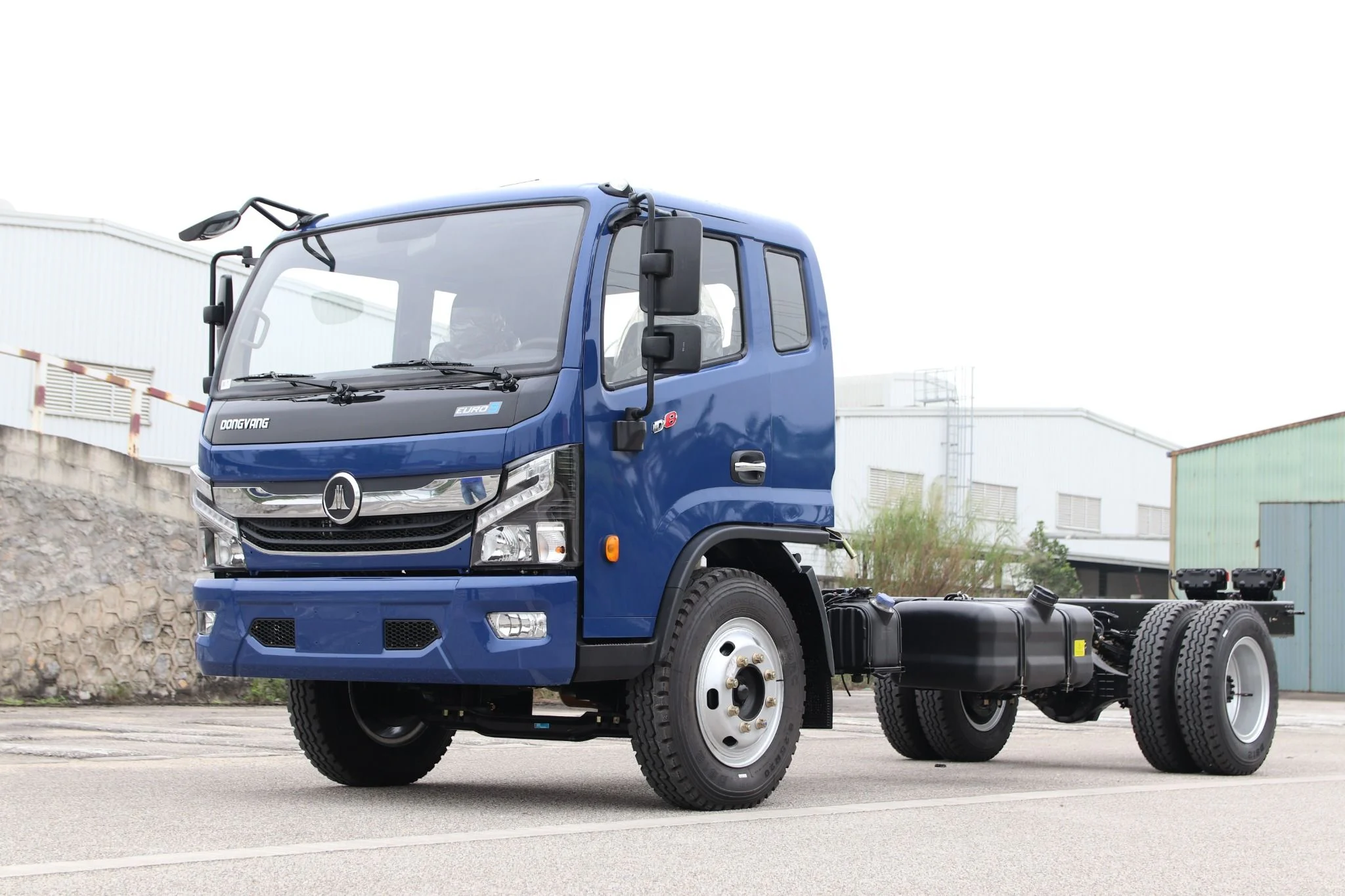
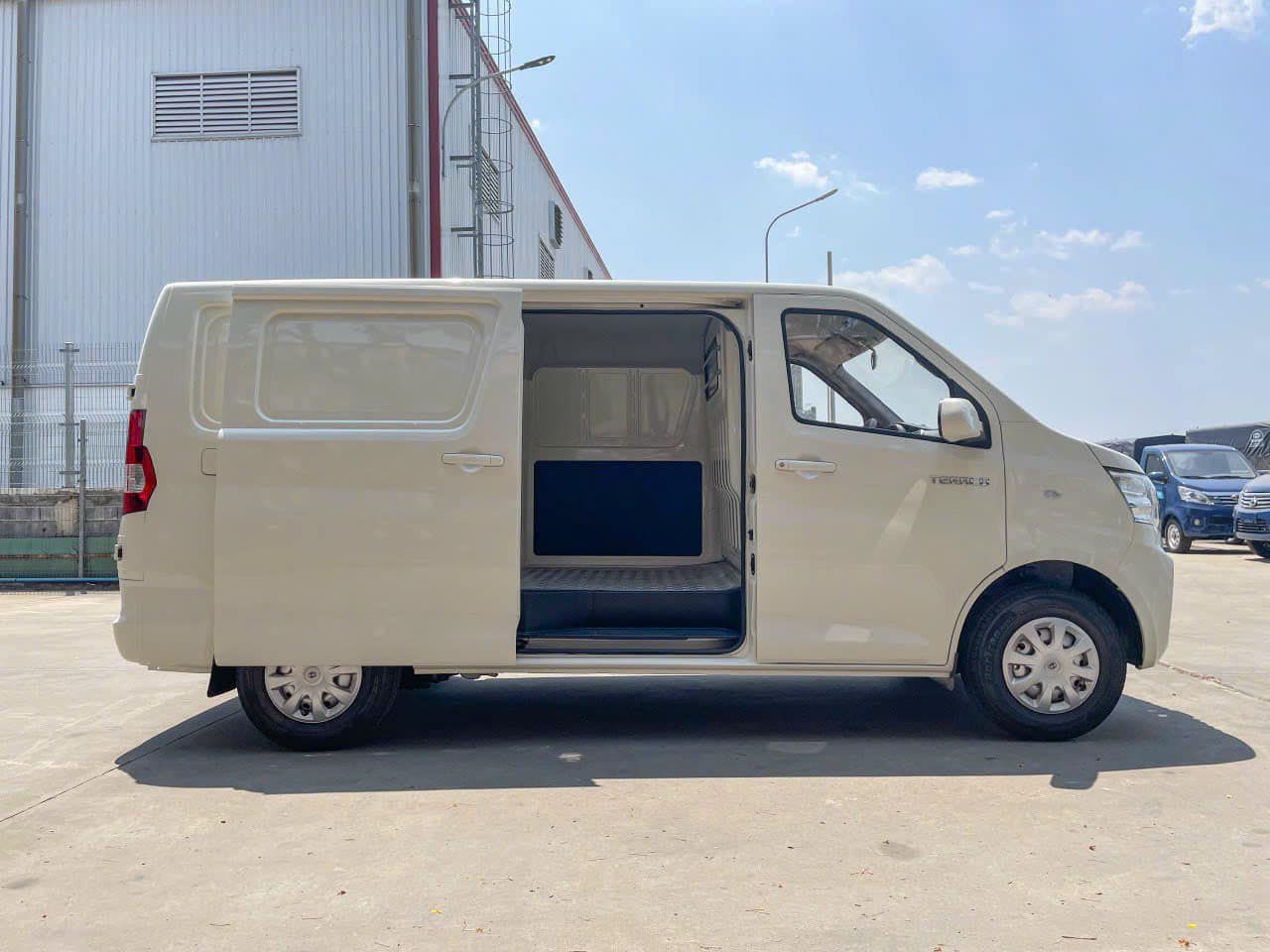
3.5-ton truck carrying cargo
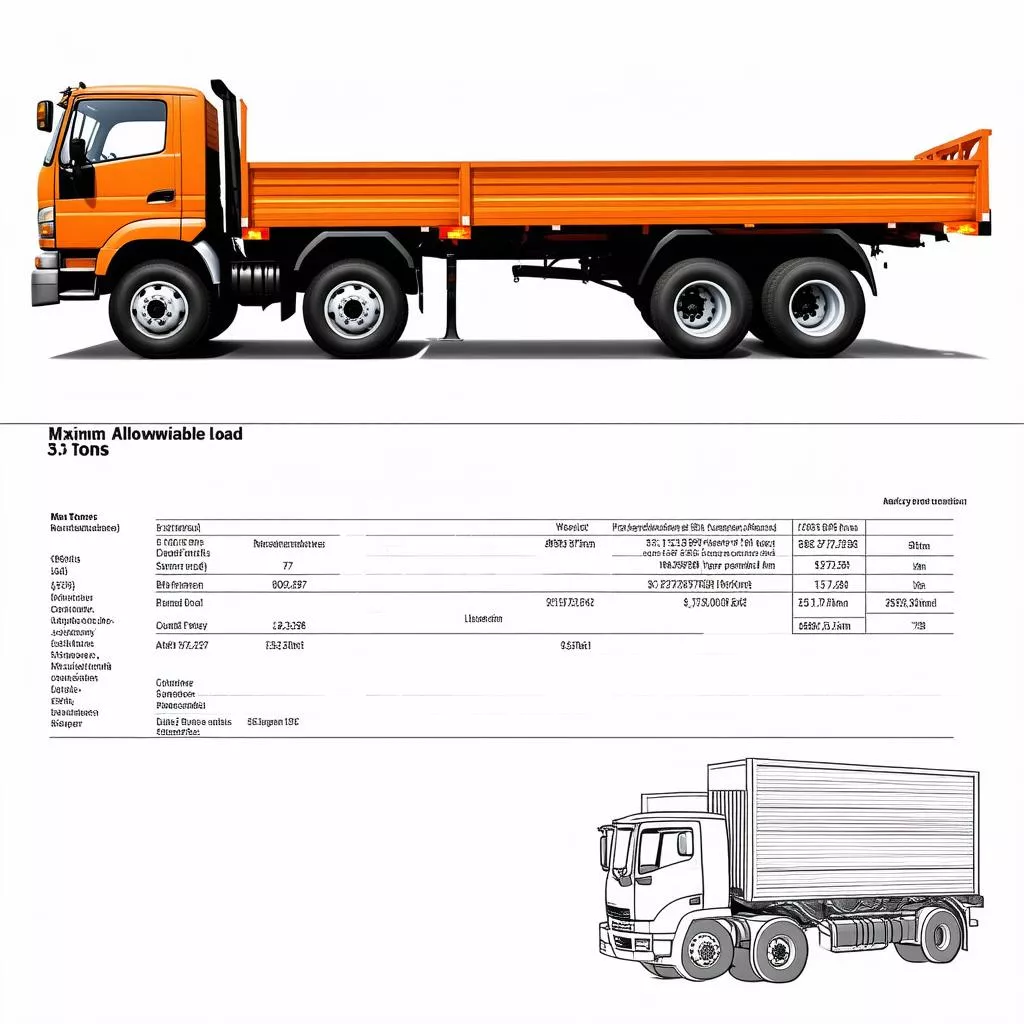 3.5-ton truck permissible load