Are you experiencing a slipping clutch while driving? Does your car feel sluggish and unable to accelerate smoothly? This is a common issue, especially for new drivers. Let’s delve into the causes, solutions, and essential information about clutch slippage.
What is Clutch Slip?
“Clutch slip” occurs when you press the accelerator, but the engine revs increase without a corresponding increase in vehicle speed. The car feels like it’s struggling to gain momentum. This can stem from minor issues to significant mechanical problems.
The Technical Explanation:
The clutch plays a vital role in transferring power from the engine to the wheels. When you press the clutch pedal, the clutch disc separates from the flywheel, disconnecting the engine from the transmission. Releasing the pedal re-engages them, allowing power to flow to the wheels.
Clutch slip happens when the clutch disc can’t grip the flywheel firmly enough to transfer power effectively. The engine runs, but the force isn’t fully transmitted to the wheels, resulting in slippage.
Spiritual and Feng Shui Perspectives:
Some believe a car possesses a “spirit” and that mechanical problems reflect its well-being. Clutch slip might indicate a “tired,” “sad,” or “unwilling” vehicle.
Spiritual remedies might include:
- Talking to your car: Share your thoughts and feelings with it.
- Washing your car: Keep it clean and “refreshed.”
- Burning incense: Offer prayers for its well-being.
However, these are spiritual beliefs without scientific basis. Focus on identifying the technical cause for effective troubleshooting.
Causes of Clutch Slip:
1. Worn Clutch Disc: The most common cause. Friction material wears down, reducing grip.
2. Weak Clutch Springs: These springs press the clutch disc against the flywheel. Weak springs result in insufficient pressure and slippage.
3. Contaminated or Low Clutch Fluid: This fluid lubricates and cools the clutch system. Dirty or insufficient fluid hinders proper friction.
4. Worn Flywheel: A worn flywheel surface prevents the clutch disc from making proper contact.
5. Faulty Hydraulic Clutch System: Problems with components like the master or slave cylinder can cause slippage.
6. Stuck Clutch: This can result from a jammed clutch disc, pressure plate, or hydraulic system.
How to Fix a Slipping Clutch:
Depending on the cause, solutions include:
1. Replace the Clutch Disc: Necessary when the disc is worn.
2. Replace the Clutch Springs: Replace if they are weak.
3. Change the Clutch Fluid: Ensure it’s clean and at the correct level.
4. Repair or Replace the Flywheel: Address wear or damage.
5. Repair the Hydraulic Clutch System: Fix any faulty components.
6. Clean the Clutch: Remove debris and dirt for improved performance.
Expert Advice:
- Professor William Smith, Automotive Engineering Expert: “Regular clutch maintenance is crucial for optimal performance and preventing issues.”
- John Brown, Author of “Cars: A to Z”: “If you experience clutch slip, take your car to a reputable mechanic for diagnosis and repair.”
Frequently Asked Questions about Clutch Slip:
Is a slipping clutch dangerous?
Yes, a slipping clutch can be dangerous if not addressed. It can lead to loss of control and accidents.
Does a slipping clutch damage the engine?
It can put extra strain on the engine, leading to premature wear.
How can I differentiate clutch slip from other problems?
Clutch slip is often accompanied by a burning smell, engine revving without acceleration, or difficulty maintaining speed. However, professional diagnosis is recommended.
Can I fix a slipping clutch myself?
Simple tasks like changing clutch fluid can be done at home. However, more complex repairs require professional attention.
Related Products:
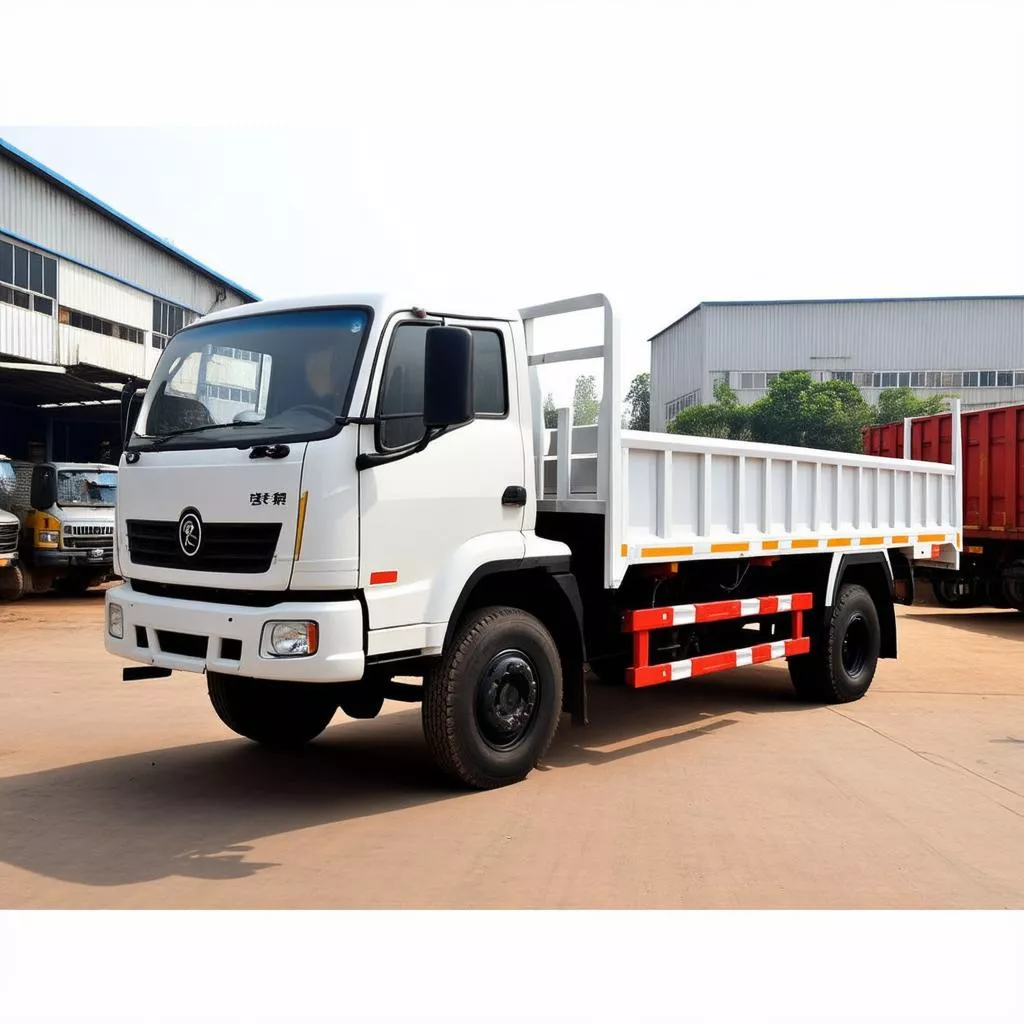
- Used Dongfeng 8-ton Truck: Used Dongfeng 8-ton Truck
- Hyundai 8-ton Truck:
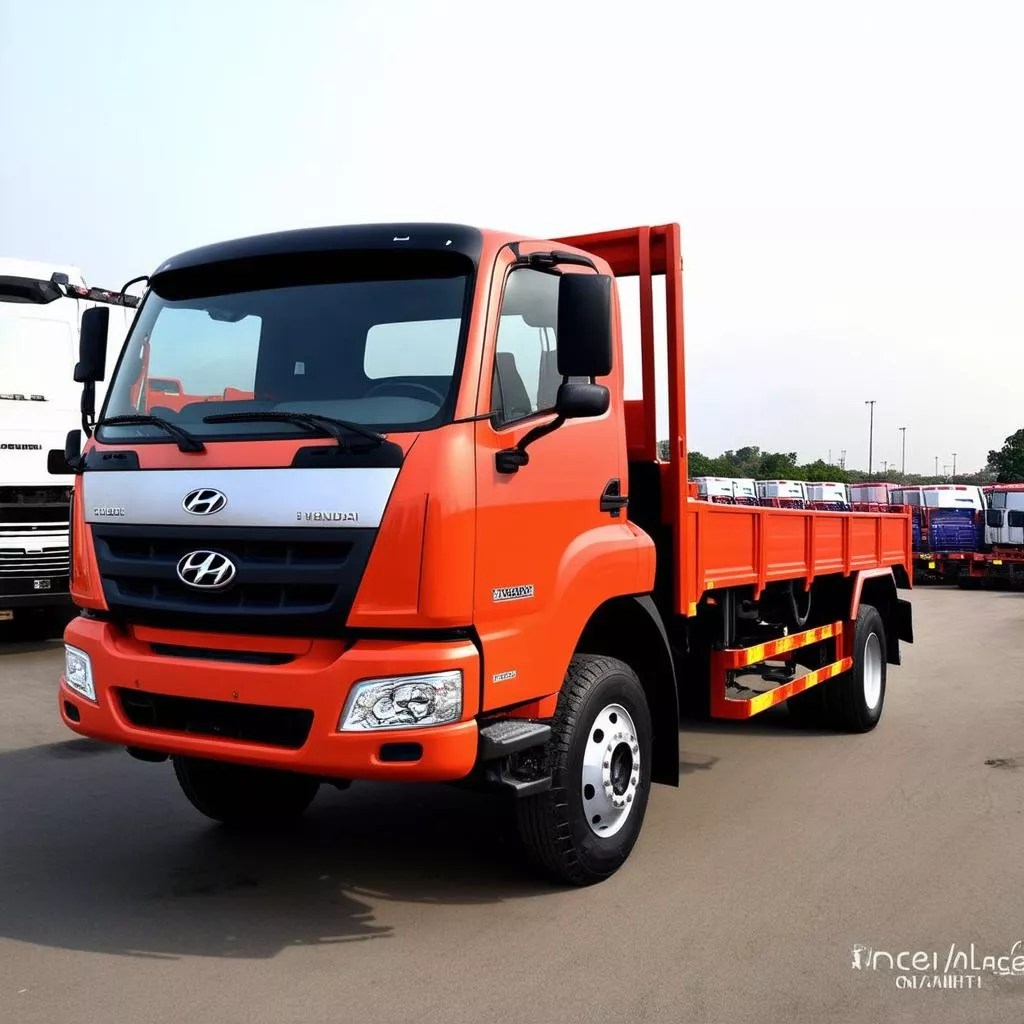 Hyundai 8-ton Truck
Other Questions You Might Be Interested In:
- [Internal Link]: How to Effectively Use a Used Dongfeng 8-ton Truck: https://xetaihanoi.edu.vn/xe-dongfeng-8-tan-cu/
- [Internal Link]: Tour a Truck Manufacturing Plant: https://xetaihanoi.edu.vn/tham-tap-lo-o-to/
- [Internal Link]: Latest Prices for the 7-seater Toyota Rush: https://xetaihanoi.edu.vn/gia-xe-toyota-rush-7-cho/
Contact Us:
For any questions about cars or trucks, contact Hanoi Truck Dealership for expert advice and assistance. We are available 24/7.
Hotline: 0968 239 999
Conclusion:
A slipping clutch requires prompt attention. Be aware of warning signs and seek professional repair if needed. Regular vehicle maintenance is essential for safe and efficient operation.
Feel free to comment or share this article if you found it helpful. Follow our website for more informative automotive content!









